Hear from Our Customers
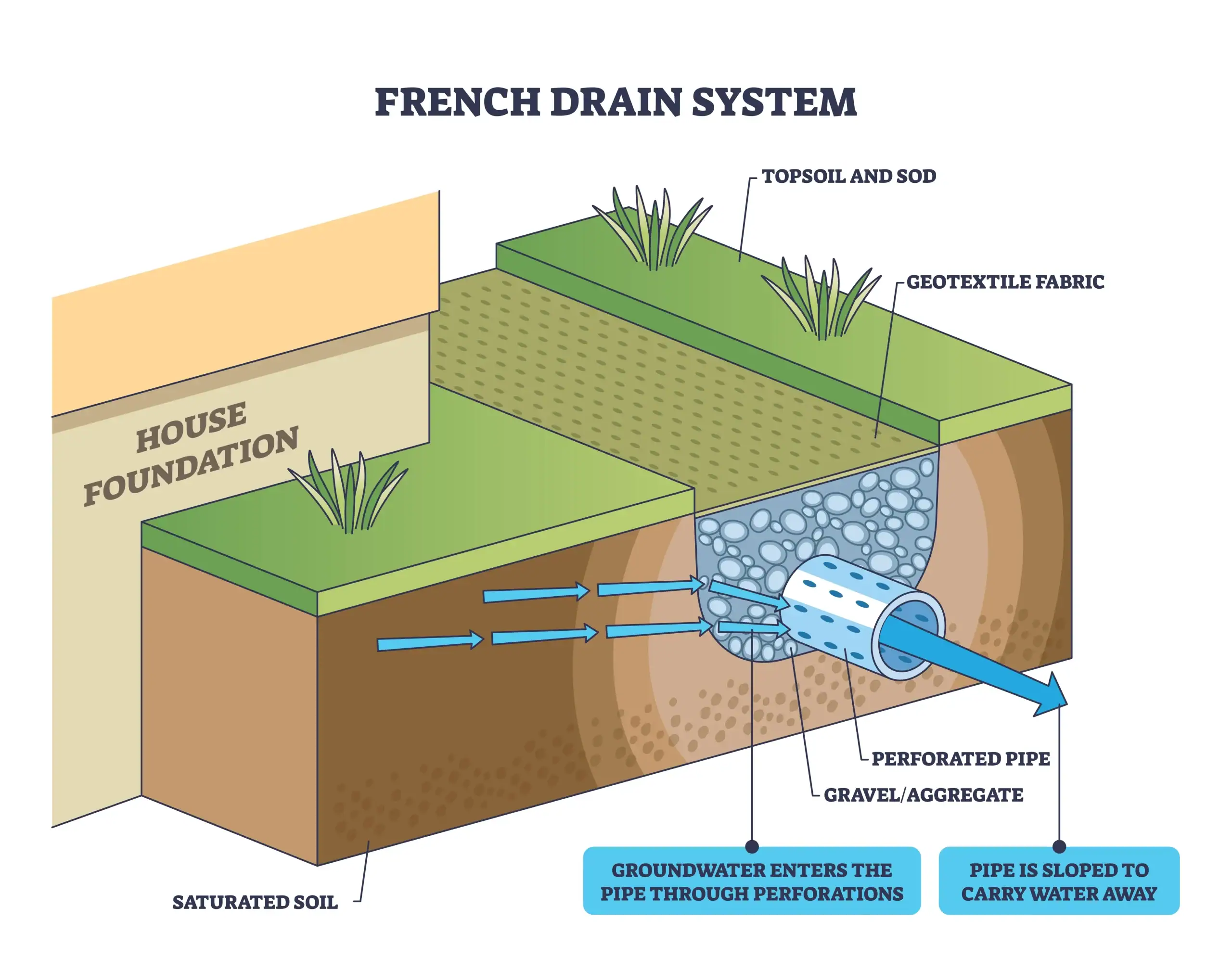
You’re not dealing with standing water in your yard anymore. Water moves away from your foundation instead of pooling against it, which means you’re not facing hydrostatic pressure that cracks walls and floods basements.
Your landscaping doesn’t turn into a swamp after every rainfall. The grass stays healthy, your garden beds don’t erode, and you’re not replanting the same areas year after year because water keeps washing everything away.
Inside, your basement air quality improves because moisture isn’t seeping through foundation walls. That musty smell goes away. Mold doesn’t get the damp environment it needs to grow. And if you’ve finished your basement or plan to, you’re protecting that investment instead of watching it get destroyed the next time Caln, PA gets hit with heavy spring rain or snowmelt.
We handle residential french drain installation across Chester County. We’re family-owned, and we’ve spent over 15 years dealing with Pennsylvania’s clay-heavy soil and the drainage problems it creates for homeowners in Caln, PA and surrounding areas.
Clay soil absorbs water slowly and releases it even slower. That’s why so many properties in this area deal with standing water and foundation issues. We install french drain systems that account for local soil conditions instead of using a one-size-fits-all approach.
Every installation comes with a lifetime transferable warranty. We’re not interested in temporary fixes or systems that fail when you actually need them.
We start with a free estimate where we inspect your property to identify where water is coming from and where it needs to go. We’re looking at grading, soil composition, existing drainage, and how water moves across your property during heavy rain.
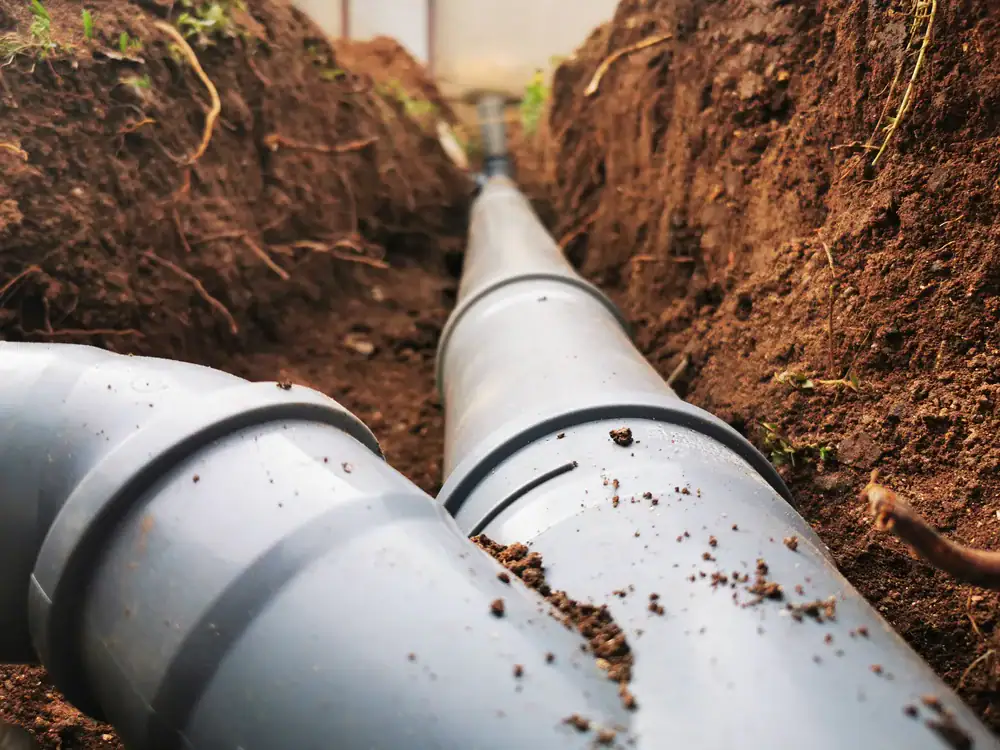
Once we map out the drainage plan, we excavate a trench along the problem areas—usually around your foundation perimeter or in low-lying sections of your yard. The trench gets lined with filter fabric to prevent soil and debris from clogging the system. Then we install perforated pipe surrounded by gravel, which captures and redirects water away from your foundation.
The system either drains to a lower area of your property, connects to a storm drain, or ties into a sump pump system if your yard doesn’t have natural drainage. We backfill the trench, restore the surface, and test the system to make sure water flows where it’s supposed to. The whole process typically takes one to three days depending on the size of the job.
Ready to get started?
You get a custom-designed french drain drainage system installation built for your property’s specific drainage issues. We’re not installing the same system on every house—your grading, soil type, and water flow patterns determine how we design and install your system.
The installation uses commercial-grade perforated pipe, proper gravel bedding, and filter fabric that prevents clogs. We don’t cut corners with materials because a french drain system that fails in two years doesn’t help anyone. When installed correctly with quality materials, these systems last 20 to 30 years.
In Caln, PA, late summer through mid-fall is usually the best installation window. The soil is workable, weather is stable, and you’re getting the system in place before winter freeze-thaw cycles and spring snowmelt create problems. If your property has significant drainage issues, waiting another year means risking another season of foundation damage and basement flooding. Pennsylvania sees frequent flood events—24 counties average one per year—and Chester County’s clay soil makes drainage problems worse than in other regions.
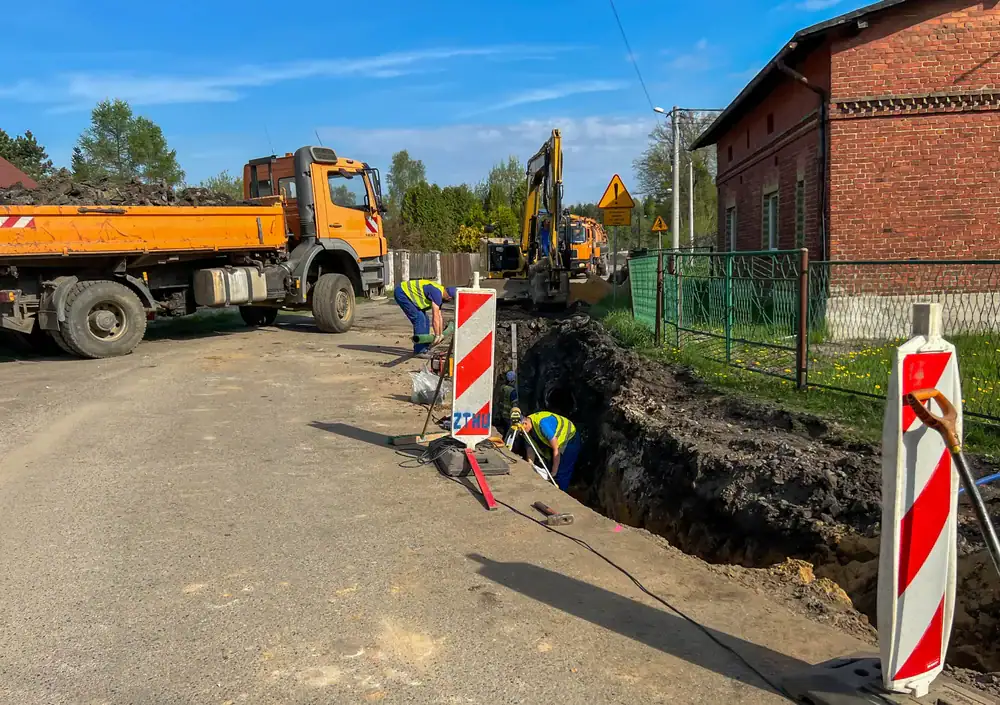
French drain installation typically runs $40 to $65 per linear foot for exterior systems in this area. The higher cost compared to interior drains comes from excavation work—we’re digging deeper trenches around your foundation perimeter and moving more soil.
A typical residential installation ranges from $3,000 to $8,000 depending on how much of your foundation needs protection and whether we’re dealing with difficult access, landscaping that needs restoration, or soil conditions that require additional grading work. If your property has severe drainage issues or needs a sump pump system integrated with the french drain, costs go higher.
That might sound like a lot until you compare it to basement flooding repair costs. A single flood event averages $1,600 to $6,900 in damage, and that’s assuming you catch it early. If water sits long enough to create mold or damage your foundation, you’re looking at much higher repair bills plus the health risks that come with mold exposure.
A properly installed french drain system lasts 20 to 30 years or more. The lifespan depends entirely on installation quality and material choice—systems installed with the right pipe, proper grading, and adequate filter fabric last decades. Systems installed incorrectly or with subpar materials fail within a few years.
The most common failure points are clogged pipes from soil infiltration and improper slope that prevents water from flowing. That’s why we use filter fabric around the gravel and pipe—it keeps soil out while allowing water to pass through. And we verify slope during installation to ensure gravity moves water away from your foundation instead of letting it pool in the pipe.
You’re not looking at frequent maintenance if the system is installed right. Occasional inspection to make sure the outlet isn’t blocked and the system is still draining properly is about all you need. Compare that to the alternative—dealing with basement flooding every spring or replacing a failed sump pump every few years because it’s working overtime to handle water that should have been diverted before it ever reached your foundation.
A french drain system reduces hydrostatic pressure against your foundation walls, which is the main cause of basement flooding. When water saturates the soil around your foundation, it creates pressure that forces water through cracks, joints, and porous concrete. The french drain intercepts that water before pressure builds up.
For most homes in Caln, PA dealing with water intrusion during heavy rain or snowmelt, an exterior french drain system solves the problem. You’re addressing the issue at the source—outside your foundation—instead of waiting for water to get inside and then trying to pump it out.
That said, if your basement already has active leaks or foundation cracks, you might need additional waterproofing work along with the drainage system. We assess that during the inspection. Some properties need both exterior drainage and interior waterproofing to fully solve the problem, especially if previous water damage has compromised the foundation. But the drainage system is the first line of defense—it keeps water away from your house instead of letting it accumulate and find ways inside.
Exterior french drains install outside your foundation and prevent water from ever reaching your basement walls. Interior drains install inside your basement along the perimeter and collect water that’s already made it through the foundation. Exterior systems are prevention. Interior systems are damage control.
Exterior installation costs more because we’re excavating around your foundation, but you’re solving the problem at the source. Water gets redirected before it creates hydrostatic pressure, before it seeps through foundation walls, and before it floods your basement. You’re also protecting your foundation itself from long-term water damage that leads to cracks and structural issues.
Interior systems are less invasive and cost less upfront, but they don’t stop water from saturating the soil around your foundation. You’re still dealing with hydrostatic pressure, you’re still risking foundation damage, and you’re relying on a sump pump to handle water that’s already inside. If the pump fails or loses power during a storm, you flood. For homes in Caln, PA with clay soil that holds water, exterior drainage makes more sense because you’re dealing with the root cause instead of managing symptoms.
Late summer through mid-fall is the ideal installation window in Pennsylvania. The soil is dry enough to excavate easily, weather is stable, and you’re getting the system in place before winter freeze-thaw cycles and spring snowmelt create drainage problems.
Installing during peak season—spring and early summer—means higher demand and potentially longer wait times. Off-season installation in fall can sometimes save 10 to 20 percent because we aren’t as booked. But the bigger advantage is timing: you want the system working before the next heavy rain season, not after you’ve already dealt with another round of basement flooding.
If you’re currently dealing with standing water, foundation cracks, or basement moisture, waiting isn’t doing you any favors. Every storm that hits before you install drainage is another opportunity for water damage, foundation issues, and mold growth. Pennsylvania’s flood frequency—24 counties average one flood event per year—means the problem isn’t going away on its own. The best time to install is before the next storm, not after.
Minimal maintenance if the system is installed correctly. You should inspect the outlet point once or twice a year to make sure it’s not blocked by debris, leaves, or soil. If the drain empties into a visible area, you’ll see water flowing during rain—that tells you the system is working.
The filter fabric we install around the pipe and gravel prevents soil from entering the system and clogging the perforations. That’s the main cause of french drain failure, and it’s completely preventable with proper installation. Systems installed without adequate filtration clog within a few years and stop draining effectively.
If you notice water pooling in areas that used to drain properly, or if your basement starts showing moisture issues again, that’s a sign something might be blocked or the system needs inspection. But for most homeowners, a properly installed french drain system works for decades without requiring significant maintenance or repairs. You’re not dealing with the ongoing costs and attention that come with other drainage solutions like sump pumps that need regular testing and eventual replacement.
Other Services we provide in Caln