
Hear from Our Customers
You stop pushing water into floor drains after every storm. Your basement smells normal again. You can actually use that space without wondering if the next heavy rain will flood everything you’ve stored down there.
A french drain system in Lower Salford, PA handles what your property throws at it—spring melt-offs, summer downpours, all of it. When installed correctly, water gets redirected away from your foundation before it ever becomes your problem. That’s the difference between cleaning up after every storm and forgetting your sump pump exists.
The real benefit isn’t just a dry basement. It’s knowing your foundation isn’t sitting in water, your property value isn’t dropping because of moisture damage, and you’re not dealing with mold that makes your family sick. You get your space back, and you stop losing sleep over weather forecasts.
Del Val Basement Waterproofing is a family-run company that’s been handling foundation and drainage issues in Montgomery County for over 15 years. We know what Lower Salford properties deal with—clay-heavy soil that doesn’t drain, freeze-thaw cycles that crack foundations, and the 40-50 inches of annual rainfall that Pennsylvania gets every year.
We’re not the biggest waterproofing company in the area, but that’s actually why homeowners call us. You get someone who shows up on time, explains what’s actually wrong, and gives you options that make sense for your situation and your budget. No pressure, no runaround.
Every residential french drain installation in Lower Salford that we complete comes with a Lifetime Transferable Warranty. That means if you sell your house, the warranty goes with it—which tells you how confident we are that the work holds up.
First, we come out and look at where water’s collecting on your property. We’re checking grading, soil type, where runoff flows during heavy rain, and how close your foundation is to trouble. This isn’t a quick glance—we need to understand what’s causing the problem before we can fix it.
Once we know what’s going on, we’ll walk you through your options. Sometimes that’s an exterior french drain system that intercepts water before it reaches your foundation. Other times it’s an interior system that handles water that’s already making its way into your basement. We’ll tell you what makes sense for your property, what it costs, and how long it takes.
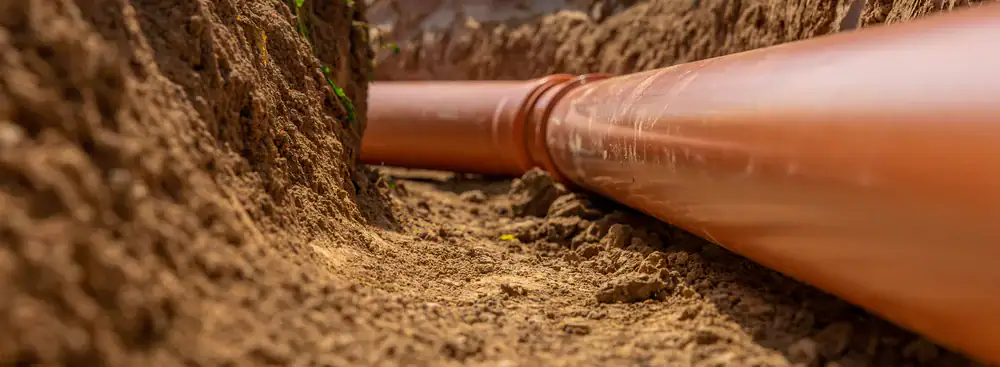
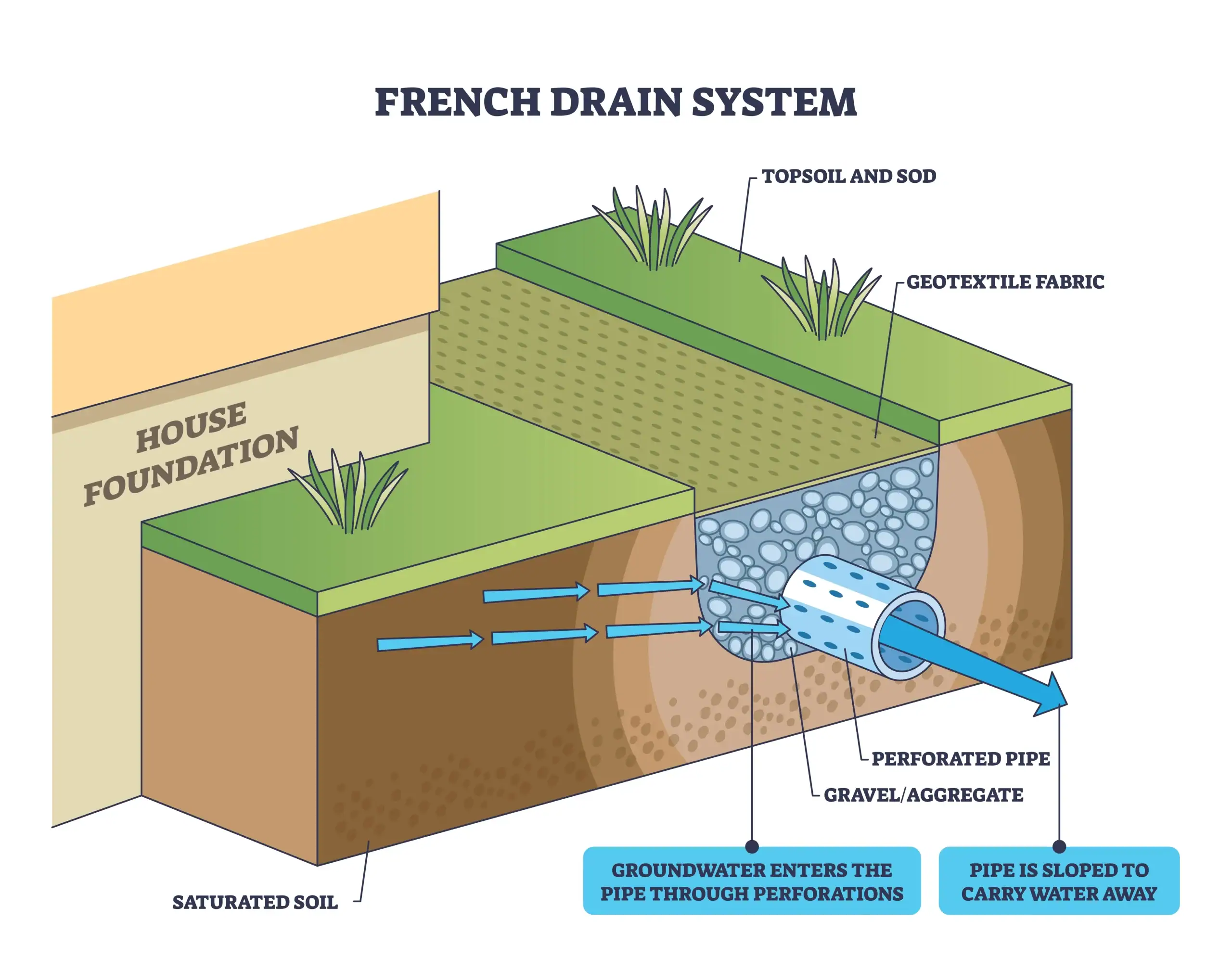
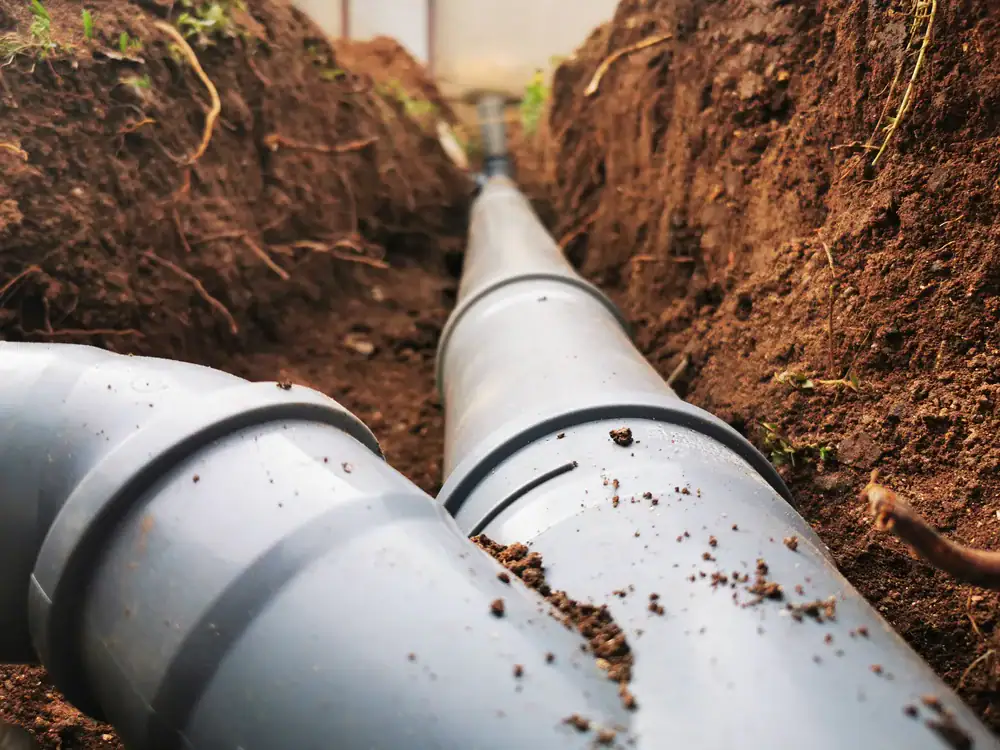
Installation depends on the system. Exterior work means digging a trench around your foundation, laying perforated pipe in gravel, and rerouting water to a safe discharge point away from your house. Interior systems involve creating a drainage channel along your basement floor that feeds into a sump pump. Either way, you’re not moving out—we work around your schedule, and most jobs wrap up in a few days.
After everything’s installed, we test it. You’ll see how water moves through the system, where it drains, and what happens during the next storm. Then you’re covered by our warranty, and we’re a phone call away if anything ever comes up.
Ready to get started?
When we install a drainage system to prevent water pooling in Lower Salford, you’re getting a system designed for your property’s specific drainage issues. That includes the trench work, the perforated pipe, the gravel bedding that keeps everything flowing, and the discharge line that moves water far enough away that it doesn’t just loop back to your foundation.
You also get a sump pump system if your property needs one—which most in this area do. Pennsylvania’s water table and soil conditions mean interior systems often need a pump to move water up and out. We install pumps that can handle high-volume flow during those storms that dump two inches in an hour.
The other piece is grading work if your property needs it. If water’s pooling because your yard slopes toward your house instead of away from it, a french drain to stop flooding in Lower Salford only does so much. We’ll tell you if grading is part of the solution, and we’ll handle it so water moves in the right direction from the start.
Everything gets inspected before we leave. You’ll know how the system works, where water drains, and what to watch for. And because this is Pennsylvania, we build systems that handle freeze-thaw cycles without failing. That’s not optional here—it’s just how drainage systems need to be built if they’re going to last.
Most homeowners in Lower Salford pay between $1,650 and $12,250 for french drain installation, with the average job running around $5,000. Interior systems typically cost $40 to $100 per linear foot, while exterior systems range from $10 to $65 per linear foot depending on depth and complexity.
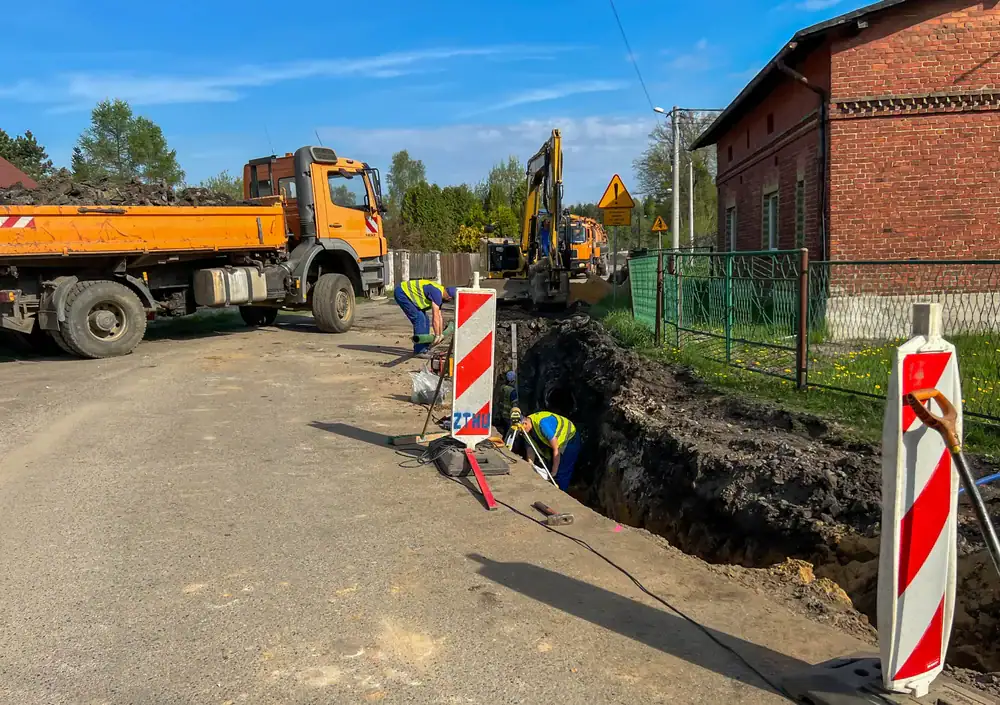
The range is wide because every property is different. If you need 40 feet of interior drainage with a sump pump, that’s one price. If you need 150 feet of exterior drainage around your entire foundation with grading work, that’s another. Soil conditions matter too—clay soil in Lower Salford takes longer to excavate than sandy soil, and that affects labor costs.
We give you a free estimate after we’ve seen your property. You’ll know exactly what the job costs, what’s included, and what your options are if you want to adjust scope or budget. No surprises, no upselling.
Yes, if it’s installed correctly and sized for your property’s drainage needs. A french drain system in Lower Salford intercepts water before it reaches your foundation or channels it away after it enters your basement—depending on whether you’re installing an exterior or interior system.
Exterior systems work by catching surface water and groundwater before it saturates the soil around your foundation. That reduces hydrostatic pressure, which is what forces water through cracks and seams in your basement walls. Interior systems handle water that’s already breached your foundation by directing it to a sump pump that removes it before it floods your floor.
The key is matching the system to the problem. If you’re getting water because your yard doesn’t drain and everything pools next to your house, an exterior system makes sense. If you’re getting water because your foundation has cracks and you’re below the water table, an interior system is usually the better move. We’ll tell you which one prevents basement water for your specific situation.
Most french drain installations in Lower Salford take between two and four days, depending on the system type and how much linear footage we’re installing. Exterior systems generally take longer because of excavation work, while interior systems can often be completed faster since we’re working in a controlled environment.
Weather can affect exterior work—if we’re in the middle of a wet stretch and your yard’s saturated, we may need to wait a day or two for conditions to improve. You can’t dig proper trenches in mud, and you can’t lay gravel bedding when everything’s soaked. We’d rather delay a day than install a system that doesn’t work right.
You don’t need to leave your house during installation. Exterior work happens outside, and interior work is contained to your basement. There’s noise, there’s dust if we’re doing interior work, but it’s not a whole-house renovation. Most homeowners keep their normal routine and just avoid the work area while we’re on site.
Exterior french drain systems are installed outside your foundation, usually at footing level. They intercept water before it ever reaches your basement walls, which means they address the problem at the source. They’re more invasive to install because we’re excavating around your foundation, but they’re also more thorough.
Interior systems are installed inside your basement along the perimeter of your floor. They catch water that’s already seeped through your foundation and channel it to a sump pump before it floods your basement. They’re less expensive, faster to install, and they don’t require digging up your landscaping. But they’re managing water that’s already breached your foundation rather than stopping it beforehand.
Which one you need depends on your situation. If your foundation is in good shape and you’re just dealing with poor surface drainage, an exterior system makes sense. If your foundation already has cracks, you’re below the water table, and water’s finding its way in no matter what, an interior system is usually the right call. Sometimes properties need both. We’ll walk you through what works for your house and your budget.
Yes, but only if they’re installed below the frost line and built with materials that handle freeze-thaw cycles. Pennsylvania’s frost line sits around 36 inches deep, which means any drainage system installed above that depth is at risk of freezing during winter. Frozen pipes don’t drain, and that defeats the entire purpose.
Exterior french drain systems in Lower Salford need to be installed deep enough that freezing temperatures don’t reach the pipe. Interior systems are protected because they’re inside your basement where temperatures stay above freezing. Both types need proper grading and discharge points that don’t create ice dams or backups when temperatures drop.
The other factor is pipe quality. Cheap corrugated pipe can collapse under soil pressure, especially after freeze-thaw cycles weaken the ground. We use rigid PVC or high-density polyethylene pipe that holds its shape and doesn’t crush. That’s not where you cut corners if you want a system that works for decades.
You can dig a trench and lay pipe yourself, but whether it actually solves your water problem depends on whether you get the grading right, the depth right, the discharge point right, and the slope right. Most DIY french drains fail because one of those factors is off, and then you’ve spent money and time on something that doesn’t work.
Professional french drain installation in Lower Salford means someone who knows local soil conditions, understands how water moves on your specific property, and has installed enough systems to spot problems before they happen. We know where water tables sit in this area, how much slope you need for proper drainage, and what discharge solutions actually work long-term.
The other issue is equipment. Digging a trench 36 inches deep around your foundation isn’t something you do with a shovel. You need excavation equipment, you need to know where utility lines run, and you need to backfill correctly so you don’t create settling issues. If you’re handy and you’re doing a shallow surface drain for a small area, DIY might work. If you’re trying to prevent basement water with french drain installation that protects your foundation, hire someone who does this for a living.
Other Services we provide in Lower Salford