
Hear from Our Customers
No more water pooling on your basement floor after a storm. No more wondering if that crack is going to split wider next winter. When foundation crack repair in East Whiteland, PA is done correctly, you stop worrying about what’s happening behind your walls.
You get a dry basement that stays dry. You protect your home’s value instead of watching it erode with every freeze-thaw cycle. And you avoid the nightmare scenario where a small crack turns into bowed walls, mold growth, or structural damage that costs five figures to fix.
The difference between a $500 repair and a $15,000 disaster is usually just timing. Catch it early, seal it properly, and you’re done. Wait too long, and you’re dealing with water damage, foundation movement, and contractors tearing apart your yard to stabilize your home.
We handle residential foundation crack repair in East Whiteland, PA the way it should be done: from the outside when possible, with materials that actually hold up, and with a lifetime transferable warranty that means something.
We’re not the company that shows up, tells you your foundation is collapsing, and pressures you to sign that day. We’re the ones who give you a free inspection, explain what’s actually happening, and let you make the call. Most cracks don’t require dramatic intervention. Some do. We’ll tell you which one you’re dealing with.
East Whiteland sits in an area where clay-heavy soil expands when wet and contracts when dry. That movement puts constant pressure on your foundation. We’ve seen it hundreds of times, and we know how to stop it before it becomes a bigger problem.
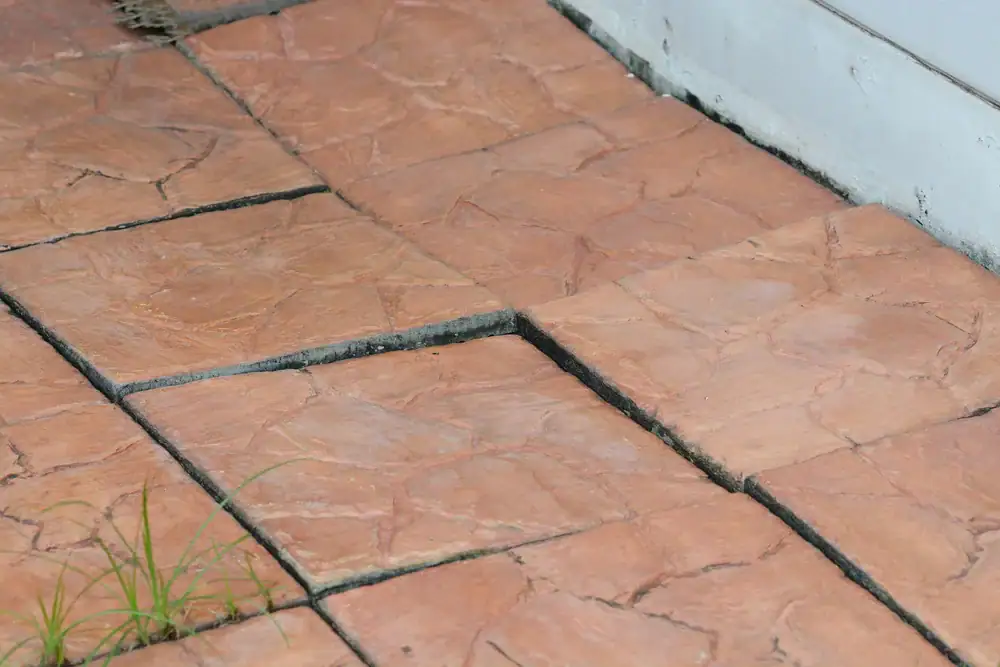
First, we inspect the crack to figure out what caused it and whether it’s structural or cosmetic. Not all cracks are created equal. Vertical cracks are usually less serious than horizontal ones. Hairline cracks might just need sealing. Wider cracks might need reinforcement.
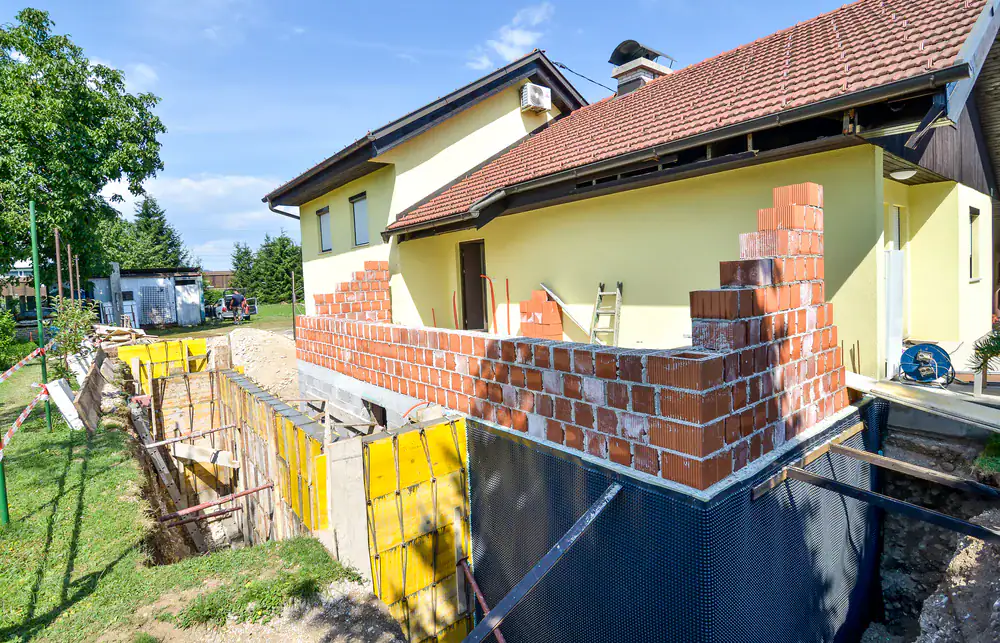
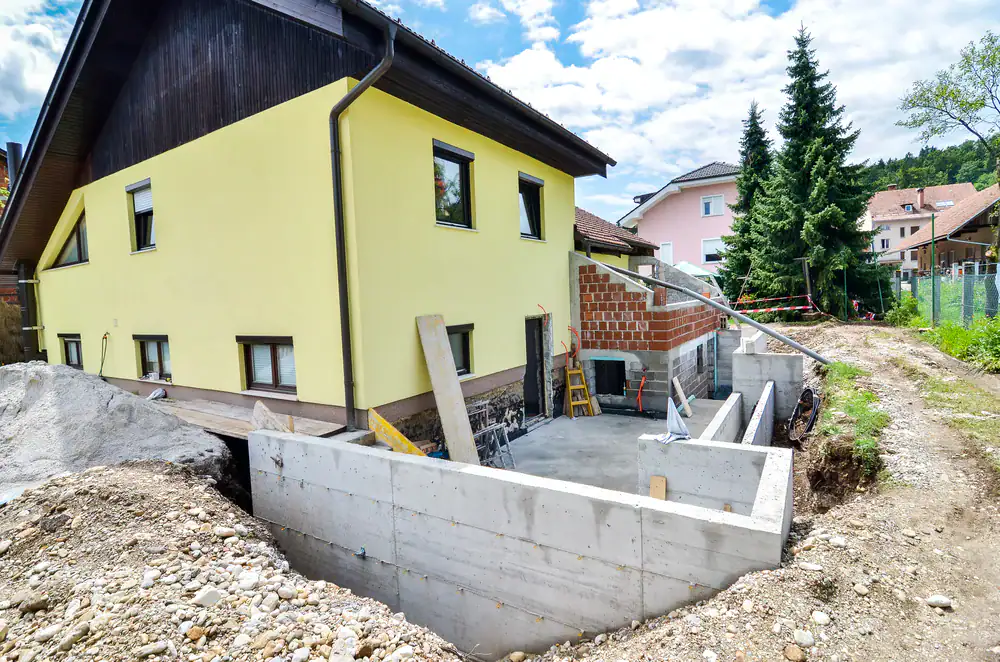
If the crack is leaking, we tackle it from the outside whenever possible. That means excavating down to the foundation wall, sealing the crack with high-grade waterproofing material, and applying a protective coating that stops water before it ever reaches your basement. Exterior foundation crack repair in East Whiteland, PA is more effective than interior patches because it addresses the problem at the source.
For cracks that threaten structural integrity, we reinforce the wall with steel I-beams, wall anchors, or other stabilization methods. The goal is to stop further movement and, in some cases, gradually correct the issue over time. Then we seal everything up, restore your landscaping, and give you a warranty that transfers if you sell the house.
You’re not guessing whether it worked. You’ll know because your basement stays dry and your walls stop moving.
Ready to get started?
You get a thorough inspection that identifies the type of crack, the cause, and the best repair method. We’re looking at your soil, your drainage, your foundation type, and how your home was built. East Whiteland’s rolling terrain and clay-rich soil create specific challenges that require specific solutions.
We seal and reinforce cracks to stop water seepage and prevent further structural damage. For leaking basement wall repair, we use proven waterproofing materials that create a permanent barrier against moisture. If your walls are bowing or showing signs of movement, we stabilize them with methods designed to halt the problem and prevent it from getting worse.
Every job comes with a lifetime transferable warranty. That’s not a gimmick. It’s a reflection of the materials we use and the way we do the work. You also get a free estimate upfront, so you know what you’re paying before we start. No surprises, no pressure, no inflated pricing based on how worried you look.
Minor crack repairs typically run $250 to $800 per crack. These are cracks that aren’t threatening your home’s structural integrity but need sealing to prevent water intrusion. If you’re dealing with more serious issues like foundation settling, bowing walls, or cracks that indicate structural movement, costs range from $2,000 to $12,000 depending on the severity and repair method.
The wide range comes down to what’s actually wrong. Sealing a hairline crack from the inside is inexpensive. Excavating the exterior, stabilizing a bowing wall, and waterproofing the foundation costs more because it involves more labor, materials, and equipment.
The best way to avoid expensive repairs is to address cracks early. A $500 repair today beats a $15,000 foundation stabilization project next year. We offer free inspections so you know exactly what you’re dealing with before you spend a dime.
Outside is better when possible. Exterior foundation crack repair in East Whiteland, PA stops water before it reaches your basement wall. Interior repairs are reactive—they deal with water that’s already penetrated the foundation. Exterior repairs are proactive—they block moisture at the source.
That said, exterior repairs aren’t always feasible. If the crack is under a deck, driveway, or other structure, excavation might not be practical. In those cases, interior sealing with epoxy or polyurethane injection can work, especially for non-structural cracks. But if you have the option, going exterior gives you better long-term protection.
We assess every crack individually. Sometimes a combination approach makes sense. The goal is to stop water intrusion and prevent further damage using the method that’s most effective for your specific situation.
Clay soil is the main culprit. East Whiteland sits in an area where the soil expands when it absorbs water and contracts when it dries out. That constant movement puts pressure on your foundation, and over time, cracks form. Homes built on hillsides or sloped lots face additional stress from soil erosion and shifting.
Freeze-thaw cycles make it worse. Water seeps into small cracks, freezes, expands, and widens the crack. By spring, what started as a hairline fracture is now a quarter-inch gap that’s letting water into your basement. Poor drainage around your foundation accelerates the process by keeping soil saturated and increasing hydrostatic pressure against your walls.
Older homes are more vulnerable because construction standards have evolved. But even newer homes can develop cracks if the soil wasn’t properly compacted during construction or if drainage wasn’t designed to handle Pennsylvania’s heavy rainstorms.
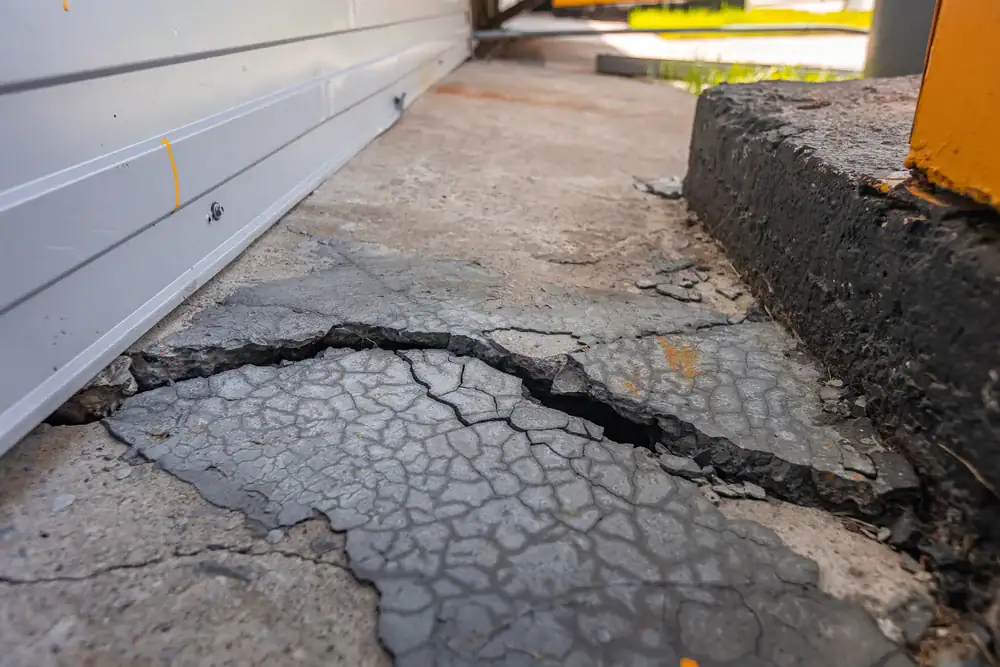
Horizontal cracks are more concerning than vertical ones. Vertical cracks usually result from normal settling and aren’t structural threats, though they can still let water in. Horizontal cracks or cracks that run diagonally often indicate pressure from soil or water pushing against your foundation wall. Those need attention.
Width matters too. Hairline cracks under an eighth of an inch are usually cosmetic. Cracks wider than a quarter inch, especially if they’re growing, suggest movement that could lead to bigger problems. If you can fit a dime into the crack, don’t wait to get it checked.
Other warning signs include bowing or bulging walls, doors and windows that stick, uneven floors, and water seeping through the crack after rain. If you’re seeing any of these, you’re past the “wait and see” stage. A free inspection will tell you whether you need a simple seal or a more involved repair.
Probably not. Most homeowners insurance policies treat foundation issues as maintenance, not covered damage. If your foundation cracks because of normal settling, soil movement, or age, you’re paying out of pocket. Insurance companies view this the same way they view roof replacement—it’s expected upkeep.
There are exceptions. If your foundation is damaged during a covered event like a burst pipe, fire, or sudden water main break, your policy might cover the repairs. But damage from long-term water intrusion, poor drainage, or soil pressure typically isn’t covered.
The good news is that catching foundation problems early keeps costs manageable. A $600 crack repair is a lot easier to handle than a $20,000 foundation stabilization project. And if you’re worried about cost, we offer financing options to spread payments out.
Most residential foundation crack repair jobs in East Whiteland, PA take one to three days depending on the scope. A simple interior crack injection might be done in a few hours. Exterior excavation, waterproofing, and backfilling usually takes a full day or two. If you need structural reinforcement like wall anchors or steel beams, add another day or two for installation.
Weather can affect the timeline, especially for exterior work. We’re not sealing your foundation in the rain or when temperatures are below freezing. The materials need proper conditions to cure and bond correctly. Rushing the job to meet a deadline is how you end up with repairs that fail a year later.
You’ll have access to your home the entire time. We’re working outside or in your basement, not tearing through your living space. Most homeowners are surprised by how minimally invasive the process is, especially compared to what they were imagining.
Other Services we provide in East Whiteland