
Hear from Our Customers
You stop paying for the same problem twice. A proper foundation crack repair in Sanatoga, PA means the water stays out, the crack doesn’t reopen next spring, and you’re not calling someone else in two years to redo what should’ve been permanent.
Most cracks start small. A hairline split in your basement wall doesn’t look like much until Pennsylvania’s freeze-thaw cycle gets hold of it. Water seeps in, freezes, expands by about 9%, and that crack widens. Now you’ve got water pooling on your basement floor, drywall damage upstairs, and a repair bill that’s tripled.
Fixing it right means addressing what caused the crack—not just sealing the surface. You get a dry basement, stable walls, and the confidence that your foundation isn’t quietly falling apart while you sleep. That’s what matters when you’re protecting what’s probably your largest investment.
We operate out of Plymouth Meeting and serve Montgomery County homeowners who need basement foundation crack repair in Sanatoga, PA that actually lasts. We’re a family-run operation, which means you’re not getting a sales pitch from a national franchise—you’re getting someone who understands Pennsylvania soil, local building codes, and what happens to foundations here when the ground shifts.
We’ve seen what clay soil does to homes in this area. Sanatoga sits in a region where expansive clay contracts in dry months and swells when it rains. That movement puts constant pressure on your foundation, and over time, cracks form. We’ve been fixing them long enough to know which repairs hold up and which ones fail within a year.
Every job comes with a lifetime transferable warranty. That’s not marketing language—it’s a guarantee that if the repair fails, we come back and make it right. No fine print, no runaround.
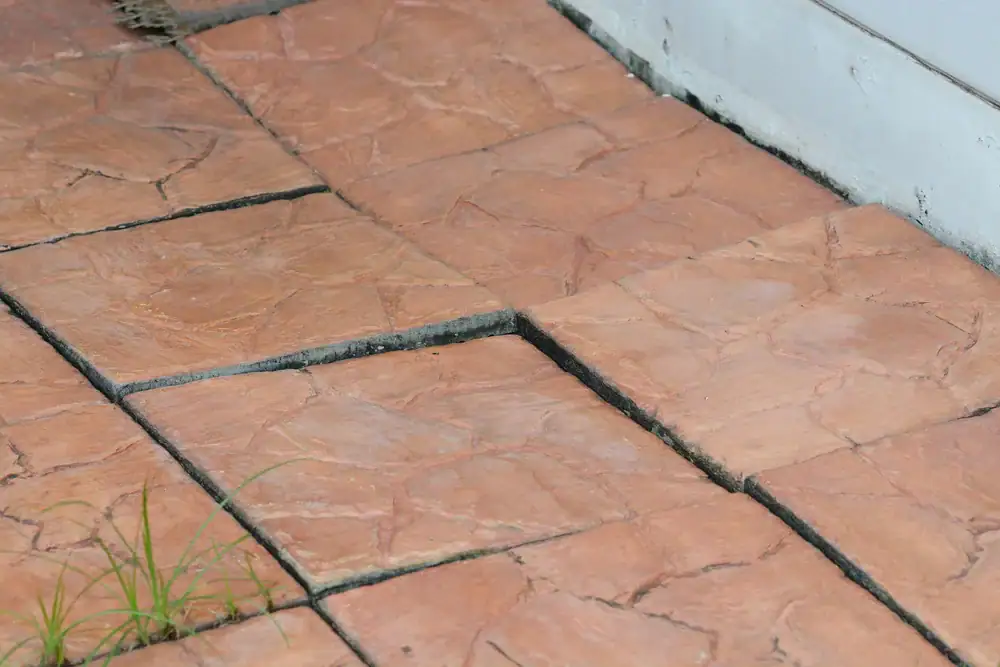
First, we inspect the crack. Not just the visible damage—we’re looking at what’s happening behind the wall, whether there’s active water intrusion, and what’s causing the movement. Most residential foundation crack repair in Sanatoga, PA fails because contractors skip this step and just inject foam into whatever they see.
Once we know what we’re dealing with, we prep the area. That means cleaning out debris, checking for structural issues, and making sure the repair material will bond correctly. If it’s an exterior foundation crack repair, we may need to excavate. If it’s interior, we work from your basement.
Then we seal it. Depending on the crack type, that might mean polyurethane or epoxy injection, carbon fiber reinforcement, or a combination. The goal is to stop water, stabilize the wall, and prevent future movement. Most repairs finish in a day. You’re not dealing with weeks of construction or a torn-apart basement.
After it’s sealed, we test it. We want to see that it’s watertight and structurally sound before we leave. Then we clean up, walk you through what we did, and hand you a warranty that transfers if you sell the house.
Ready to get started?
You get a free inspection. We’re not showing up to sell you something you don’t need—we’re identifying the actual problem and explaining what it’ll take to fix it. That includes a written estimate with no surprise charges later.
The repair itself covers crack sealing, waterproofing, and any necessary reinforcement. If your basement wall is bowing or leaning, we’ll address that too. Sanatoga homes built on clay soil often develop horizontal cracks from lateral pressure—those need more than a surface patch. We use carbon fiber straps or wall anchors depending on severity.
You also get our lifetime warranty. If water comes through that crack again, we’re coming back to fix it. The warranty transfers to the next homeowner, which matters if you’re planning to sell. Foundation issues kill real estate deals, but a documented repair with a transferable warranty keeps buyers confident.
We handle the mess. Basement repairs can get dusty and disruptive, but we’re not leaving you with a disaster zone. We protect your floors, remove debris, and make sure the space is cleaner than when we started. You shouldn’t have to spend your weekend vacuuming up concrete dust because we didn’t care enough to tarp off the work area.
Small crack repairs typically run between $500 and $1,500. That covers straightforward vertical cracks that aren’t causing structural issues—just water seepage or minor cosmetic damage.
If you’re dealing with horizontal cracks, bowing walls, or foundation movement, costs go up. Wall stabilization using carbon fiber or anchors usually falls between $4,000 and $12,000 depending on how much of the wall needs reinforcement. Homes that need piering systems—where we’re stabilizing the foundation from below—run about $1,000 to $3,000 per pier, and most Sanatoga homes need 8 to 12 piers.
The price depends on what’s actually wrong. A contractor who quotes you over the phone without seeing the damage is guessing. We do free inspections because the only way to give you an honest number is to look at the crack, check for movement, and figure out what’s causing it. You’ll get a written estimate before we start any work.
Probably not. Most homeowner’s insurance policies in Pennsylvania don’t cover foundation damage caused by soil movement, settling, or general wear. Insurance companies consider that a maintenance issue, not a sudden covered event.
There’s an exception: if the crack was caused by something your policy covers—like a burst pipe that flooded your basement and destabilized the foundation—you might get partial coverage. But you’ll need documentation showing the pipe burst caused the damage, and even then, insurers will fight it.
Don’t assume your claim will get denied without checking. Pull out your policy and read the exclusions section, or call your agent and ask specifically about foundation coverage. If they say no, you’re paying out of pocket. The good news is that fixing a crack now costs a fraction of what you’ll pay if it turns into a full foundation failure. A $1,200 repair today beats a $20,000 emergency fix next year.
If it’s done right, it lasts as long as your foundation does. We warranty our repairs for life because we’re using methods that address the root cause—not just covering up the symptom.
The repairs that fail are the ones where someone smears hydraulic cement over a crack and calls it fixed. That might hold for six months, maybe a year. Then the crack reopens because the underlying issue—soil pressure, water intrusion, foundation movement—never got addressed.
Our repairs use polyurethane or epoxy injection for waterproofing, and carbon fiber or steel reinforcement if there’s structural movement. Those materials are designed to move with your foundation without breaking the seal. Sanatoga’s clay soil expands and contracts with moisture levels, so your foundation shifts slightly throughout the year. A rigid repair cracks. A flexible one holds.
We’ve seen our repairs hold up for decades. That’s why we’re comfortable offering a lifetime transferable warranty. If it fails, we come back and fix it. You’re not paying twice for the same problem.
Clay soil. Sanatoga sits in an area where the ground is heavy with expansive clay, and that clay swells when it gets wet and shrinks when it dries out. Your foundation is sitting on soil that’s constantly moving, and over time, that movement creates cracks.
Pennsylvania’s freeze-thaw cycle makes it worse. Water seeps into tiny cracks, freezes during winter, expands, and widens the crack. By spring, what started as a hairline fracture is now a quarter-inch gap that’s letting water into your basement.
Poor drainage accelerates the problem. If your gutters are clogged, downspouts dump water right next to your foundation, or your yard slopes toward the house, you’re saturating the soil around your foundation. That adds hydrostatic pressure—water pushing against your basement walls—and eventually, something gives. You get cracks, bowing walls, or both.
Older homes in Sanatoga also deal with settling. Foundations built 50 or 60 years ago weren’t always poured with the same standards we use today. As the house settles unevenly, cracks form. It’s not always fixable by leveling the house, but you can stabilize the foundation and seal the cracks to prevent further damage.
You can try, but you’ll probably end up calling someone to redo it. DIY crack repair kits from the hardware store work for surface-level cosmetic fixes—if the crack isn’t leaking, isn’t growing, and isn’t structural. The second water’s involved or the crack is wider than a quarter-inch, you’re out of your depth.
The problem with DIY repairs is that you’re treating the symptom, not the cause. You can inject foam or smear epoxy over a crack, and it might hold for a few months. But if the crack formed because your foundation is shifting, the soil is pushing against the wall, or water pressure is building up, that repair will fail. Then you’re paying a professional to remove what you did and fix it correctly.
Foundation crack repair in Sanatoga, PA also requires knowing what material to use and how to apply it. Epoxy works for structural cracks that aren’t leaking. Polyurethane works for active water intrusion. Use the wrong one, and you’ve wasted your time and money. Professionals also have access to commercial-grade materials that bond better and last longer than anything you’ll find at a retail store.
If the crack is tiny, not leaking, and you’re just trying to prevent it from growing, a DIY patch might buy you time. But if it’s leaking, widening, or part of a larger foundation issue, call someone who knows what they’re doing. You’ll save money in the long run.
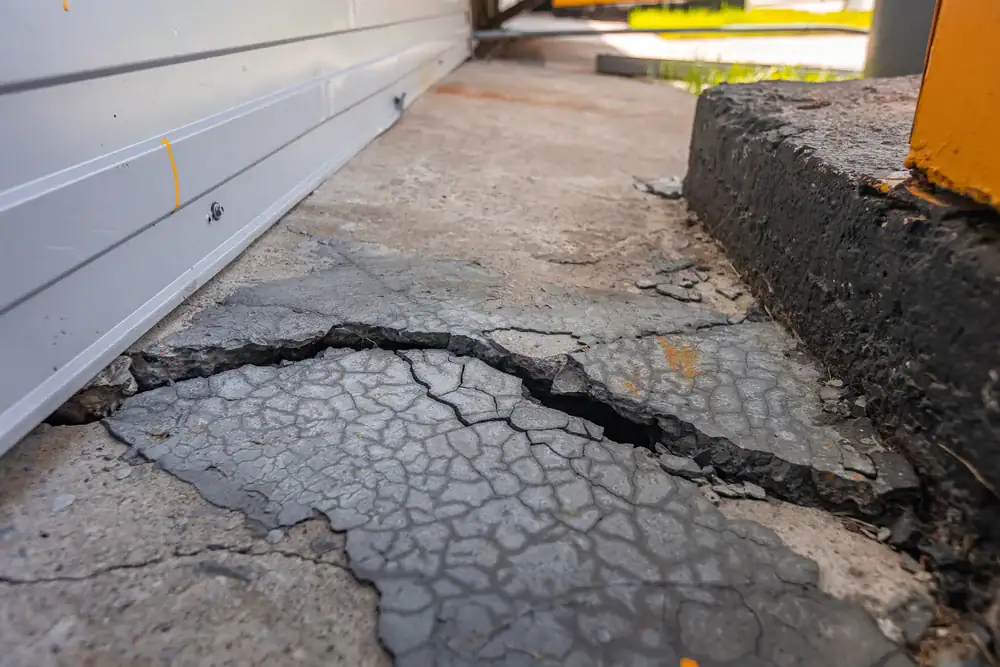
Width, direction, and location tell you most of what you need to know. Vertical cracks that are narrower than a quarter-inch usually aren’t structural—they’re often caused by concrete shrinkage as it cures. They might let in water, but they’re not threatening your home’s stability.
Horizontal or stair-step cracks are a bigger problem. Those indicate lateral pressure from soil pushing against your foundation wall, and they often mean the wall is bowing inward. If you see a horizontal crack, especially if it’s wider than a quarter-inch, you need a professional inspection. That’s not a DIY situation.
Cracks that are growing are serious regardless of direction. If you marked a crack six months ago and it’s wider now, something’s still moving. That could be ongoing settling, soil expansion, or water pressure. Either way, it’s not going to stop on its own.
Water intrusion makes any crack more urgent. Even a small crack that’s actively leaking can cause mold, rot, and structural damage over time. Sanatoga gets over 40 inches of rain a year, and if that water is finding its way into your basement, you’re looking at bigger problems than just a damp floor. Get it inspected, get it sealed, and stop the damage before it spreads.
Other Services we provide in Sanatoga