
Hear from Our Customers
You stop worrying every time it rains. Your stored belongings stay safe, not soaked. That musty smell disappears because mold can’t grow without moisture.
Your home value stays protected instead of dropping 10-20% from water damage. You’re not calling emergency restoration crews at 2 AM when your sump pump fails. The space you paid for becomes usable again—not a liability you avoid.
New Garden sits where White Clay Creek and Red Clay Creek watersheds meet, with elevations ranging from 180 to 483 feet. Water flows downhill, and your basement is the lowest point. When the ground around your foundation slopes toward your house or the water table rises during spring and fall rains, that water finds the path of least resistance—straight through your foundation walls or the wall-floor joint.
A proper waterproofing system redirects that water before it enters. You get peace of mind instead of panic during storms.
We serve homeowners in New Garden, PA who need real solutions, not temporary patches. We work in Chester County homes where the median value hits $511,800—properties worth protecting correctly the first time.
Most flooded basements start at the foundation wall-floor joint. We know this because we’ve seen it hundreds of times. We also know New Garden’s rolling terrain and creek drainage patterns create specific water pressure issues that generic fixes don’t address.
You’re hiring a waterproofing contractor in New Garden, PA who understands local geology, not just someone who installs the same system everywhere. That difference matters when your investment is on the line.
First, we inspect your basement to find where water enters and why. Most companies skip this step and just sell you equipment. We map your specific water intrusion points—cracks, joints, window wells, or hydrostatic pressure zones.
Next, we design a system for your home’s needs. That might mean interior drainage with a sump pump, exterior excavation and membrane installation, crack injection, or a combination. We explain what each component does and why it’s there.
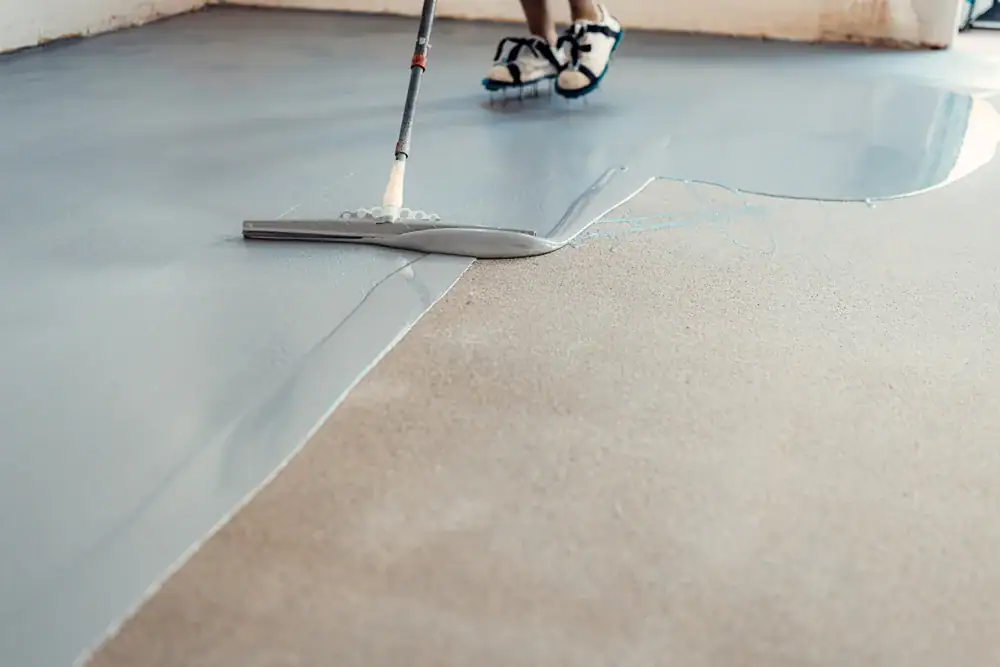
Installation happens with minimal disruption. Interior systems typically take 1-2 days. Exterior work takes longer but solves problems interior systems can’t. We protect your property during the work and clean up completely when we’re done.
After installation, we test the system and walk you through maintenance. You get a written warranty that transfers if you sell. Most importantly, you get a basement that stays dry when it rains—which is the whole point.
Ready to get started?
Interior drainage systems channel water to a sump pump before it reaches your basement floor. We install perimeter drains along the wall-floor joint where 90% of leaks start. The sump pump removes water automatically, with battery backup for power outages.
Exterior waterproofing means excavating around your foundation, sealing walls with membrane, and installing drainage systems that stop water before it touches your foundation. This works for homes where interior systems aren’t enough or where foundation walls need repair.
Foundation crack repair uses polyurethane or epoxy injection to permanently seal structural cracks. We don’t just patch the surface—we fill the entire crack from inside the wall. For New Garden homes built on sloping terrain, this prevents water from following gravity straight into your basement.
Vapor barriers and dehumidification systems control moisture that enters as humidity rather than liquid water. Chester County’s climate creates condensation issues even in basements without active leaks. Controlling humidity prevents mold growth and that musty smell that drops your home’s value.
Interior drainage systems with sump pump installation typically run $3,000-$7,000 depending on your basement’s size and how much drainage we need to install. Exterior waterproofing costs more—usually $8,000-$15,000—because it requires excavation, but it solves problems interior systems can’t fix.
Foundation crack repair ranges from $500-$2,000 per crack depending on length and severity. Simple surface sealants cost less but fail quickly. Proper injection repair costs more upfront but actually stops the leak permanently.
Your specific cost depends on what’s causing your water problem and what it takes to fix it correctly. We give you a written estimate after inspecting your basement so you know exactly what you’re paying for and why. Most New Garden homeowners find that proper waterproofing costs far less than repeated water damage repairs, mold remediation, or the 10-20% home value loss that comes with moisture problems.
A properly installed interior drainage system lasts 20-25 years before needing significant maintenance. The sump pump itself needs replacement every 7-10 years depending on how often it runs, but the drainage channels and piping last much longer.
Exterior waterproofing membranes last 30-50 years when installed correctly. The key is proper installation—cutting corners during excavation or using cheaper materials means you’re digging it up again in 10 years. We use commercial-grade membranes designed for Pennsylvania’s freeze-thaw cycles.
Foundation crack repairs using polyurethane or epoxy injection are permanent when done right. The injection material is stronger than the concrete itself. If the crack reopens, it means your foundation is still moving—a structural issue that needs addressing separately.
Your system lasts longer with basic maintenance. That means testing your sump pump quarterly, keeping discharge lines clear, and checking for new cracks annually. We show you how to do this during installation. Most waterproofing failures happen because homeowners don’t realize their sump pump died until the next big storm.
New Garden’s terrain slopes toward creek watersheds, which means water flows across your property during heavy rain. If your yard slopes toward your foundation instead of away from it, that water collects against your basement walls. Hydrostatic pressure builds up and pushes water through any crack or joint it can find.
The wall-floor joint is the most common entry point. This is where your foundation wall meets the basement floor—there’s a natural gap there that water exploits. Even homes without visible cracks flood through this joint when enough pressure builds up during spring storms.
Gutters and downspouts that dump water next to your foundation make the problem worse. So do old clay tile drainage systems that collapsed decades ago. Many New Garden homes were built before modern waterproofing standards existed. The foundation might have been fine in 1970, but 50+ years of freeze-thaw cycles create cracks that weren’t there originally.
Your sump pump might also be undersized for the water volume your basement receives, or it might not have battery backup for power outages. Storms that cause flooding often knock out power—which means your pump stops working exactly when you need it most.
Yes, interior waterproofing works for most homes and costs significantly less than exterior excavation. We install drainage channels along the wall-floor joint where water enters, then direct that water to a sump pump that removes it before it floods your floor. This handles hydrostatic pressure and most groundwater issues effectively.
Interior systems don’t stop water from reaching your foundation—they manage it after it enters. For many homeowners, that’s perfectly fine. Your basement stays dry, and you avoid the cost and disruption of digging up your yard. The system is also easier to maintain and repair if needed.
Exterior waterproofing becomes necessary when your foundation walls are deteriorating, when you have horizontal cracks indicating structural issues, or when interior systems can’t handle your water volume. Homes built on New Garden’s steeper slopes sometimes need exterior work because the water pressure is too intense for interior drainage alone.
The best approach depends on your specific situation. We inspect your basement, identify where water enters and why, then recommend the most cost-effective solution that actually solves your problem. Sometimes that’s interior only. Sometimes it’s exterior only. Sometimes it’s a combination. You don’t need to guess—we’ll show you what your basement needs and explain why.
You need help if you see water on your basement floor after rain, notice damp spots on walls, smell mustiness that won’t go away, or find white chalky residue (efflorescence) on your foundation walls. These aren’t minor issues that resolve themselves—they’re signs that water is entering your basement and will continue until you fix the source.
Mold growth means you’ve had moisture long enough for spores to colonize. Mold starts growing within 24 hours of water exposure. If you see it, you’ve had a water problem for a while. Peeling paint, warped wood, or rust on metal items stored in your basement all indicate chronic moisture issues.
Cracks in foundation walls wider than 1/8 inch need professional evaluation. Horizontal cracks or cracks that widen at one end indicate structural movement. Vertical cracks might just be settling, but they still let water in. You can’t tell the difference without experience—and guessing wrong means your foundation deteriorates while you wait.
The biggest sign you need professional waterproofing? You’re checking your basement every time it rains. That anxiety means you already know there’s a problem. Hoping it doesn’t get worse isn’t a strategy. Water damage compounds over time—what costs $4,000 to fix today costs $15,000 after another year of water intrusion weakens your foundation and grows mold inside your walls.
Yes, we respond to emergency calls when your basement floods and you need immediate help. Emergency service means we assess the damage, extract standing water if needed, identify the failure point, and implement temporary measures to prevent additional water intrusion until we can install a permanent solution.
Most basement floods happen during storms that knock out power—which means your sump pump stops working. We can install battery backup systems quickly to get your pump operational again. If your pump failed completely, we replace it with a new system that includes backup power so this doesn’t happen again.
Emergency calls cost more than scheduled work because we’re dropping other jobs to help you immediately. But emergency response makes sense when water is actively damaging your home. Every hour water sits in your basement increases mold risk and damage to your foundation, framing, and belongings.
The better approach is fixing your waterproofing before an emergency happens. If you’re reading this after a flood, we’ll help you recover. If you’re reading this because you’re worried about the next big storm, schedule an inspection now. Preventing the flood costs less than responding to one, and you sleep better knowing your basement is protected before the next spring storm hits New Garden.
Other Services we provide in New Garden