
Hear from Our Customers
You’re not just paying to pump water out. You’re protecting a $663,000 investment from the kind of damage that compounds every season you wait.
A dry basement means no mold creeping into your HVAC system. No musty smell that follows you upstairs. No anxiety every time the forecast calls for rain. Your foundation stays stable, your air stays clean, and your home keeps its value.
Most homes in Tredyffrin were built in the 1940s and 50s. That means older foundations, clay soil, and drainage systems that weren’t designed for the weather we’re seeing now. When hydrostatic pressure builds up around your foundation walls, water finds a way in. It always does. The question is whether you address it before it becomes a structural problem or after.
Del Val Basement Waterproofing is a family-run waterproofing company serving Tredyffrin and the Main Line for over 15 years. We’ve worked on hundreds of homes in Chester County, many of them right here in your neighborhood.
We’re not the biggest operation, and we’re not trying to be. What we are is experienced, local, and backed by structural engineers who recommend our sub-floor pressure relief systems over outdated French drains that fail after a few years.
Every job comes with a lifetime transferable warranty. That’s not marketing language—it’s how we stand behind the work. You can live in your home during the install, and we’ll walk you through what’s happening at every step.
First, we come out and do a free inspection. We’re looking at your foundation walls, grading around the house, where water’s entering, and what’s causing the pressure. No sales pitch—just an honest assessment of what’s going on and what it’ll take to fix it.
If you move forward, we’ll typically install an interior sub-floor pressure relief system. This isn’t a basic sump pump setup. It’s an engineered drainage system installed beneath your basement floor that relieves hydrostatic pressure before water can push through your foundation. We also handle exterior waterproofing when it makes sense—excavating around the foundation, applying waterproof membrane, and regrading to move water away from the house.
The work itself usually takes a few days depending on the scope. You’ll hear some noise, see some dust, but you don’t need to move out. Once it’s done, you’ll have a system designed to last 20 to 30 years, and you’ll know exactly how it works.
Ready to get started?
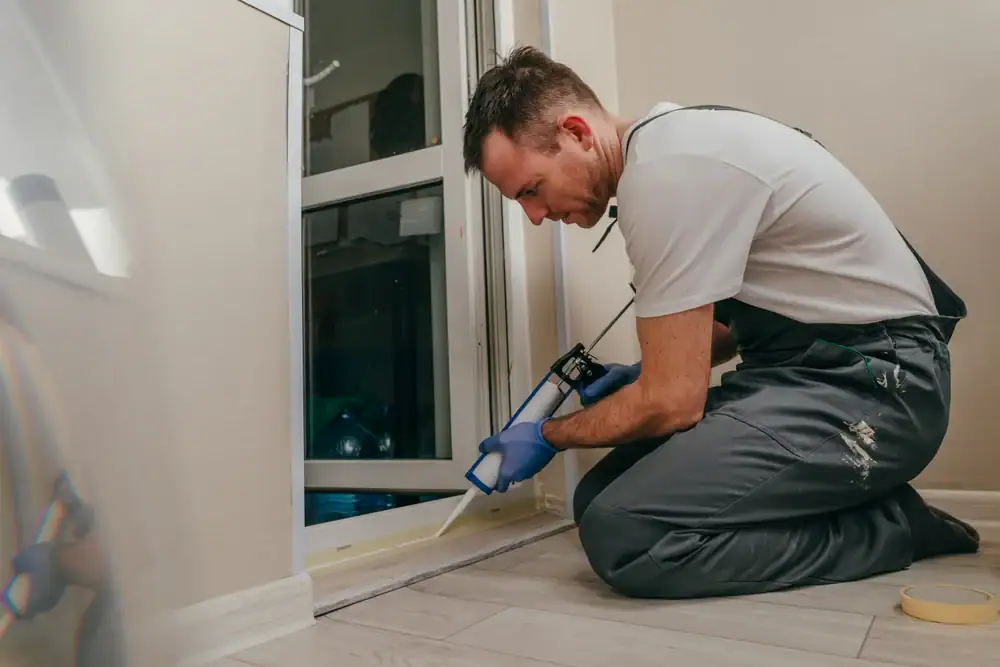
When we waterproof your basement, you’re getting a complete system—not a quick fix. That includes the sub-floor drainage system, a commercial-grade sump pump with battery backup, and proper discharge lines that move water away from your foundation. If there are cracks in your foundation walls, we seal them. If your walls are bowing, we’ll talk about stabilization before water becomes the least of your problems.
For exterior work, we excavate down to the footer, apply a waterproof membrane, install drainage board, and backfill with proper grading. We also handle crawl space encapsulation, mold remediation if needed, and exterior drainage solutions like French drains and catch basins.
Tredyffrin’s clay soil makes hydrostatic pressure a real issue, especially in older homes where the original waterproofing has long since failed. We see it all the time—basements that flood every spring, walls that crack under pressure, and homeowners who’ve tried everything short of a real solution. The work we do addresses the root cause, not the symptoms.
If you’re seeing water on your basement floor after heavy rain, that’s the obvious one. But there are earlier signs that most people miss until the problem gets worse.
Look for white chalky residue on your foundation walls—that’s efflorescence, and it means water is moving through your concrete. Check for horizontal cracks, which usually indicate pressure from the outside pushing in. Musty smells, even if you don’t see water, mean moisture is getting in somewhere. And if your basement feels damp or humid even when it’s dry outside, that’s a ventilation and moisture problem that needs attention.
The homes in Tredyffrin are old enough that most of them will need waterproofing work at some point. If you’re buying a home here, get the basement inspected. If you already own one and you’re seeing any of these signs, don’t wait. Water damage gets expensive fast, and it doesn’t fix itself.
Interior waterproofing manages water after it’s already trying to get in. We install a drainage system under your basement floor that captures water and routes it to a sump pump before it ever surfaces. It’s less invasive, more affordable, and it works extremely well for most situations. You don’t need to dig up your yard, and the install is faster.
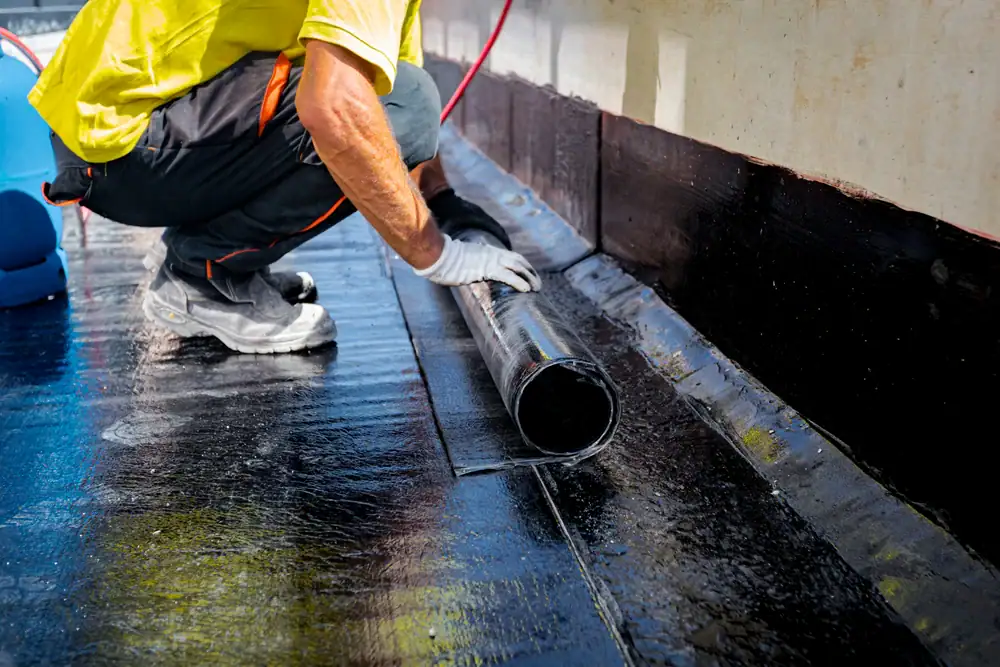
Exterior waterproofing stops water before it reaches your foundation. We excavate around the outside of your home, apply a waterproof barrier to the foundation walls, and install drainage systems that redirect groundwater away from the house. It’s more comprehensive and it lasts longer—20 to 30 years when done right—but it’s also more expensive and disruptive.
Which one you need depends on your situation. If you’ve got active leaks, bowing walls, or exterior drainage problems, exterior work might be necessary. If it’s manageable pressure and occasional seepage, interior systems handle it. We’ll tell you honestly which makes sense for your home.
Interior waterproofing usually takes two to four days depending on the size of your basement and how much prep work is needed. We’re jackhammering a trench along the perimeter, installing the drainage system, pouring new concrete, and setting up the sump pump. It’s not quiet, but it’s not a week-long ordeal either.
Exterior waterproofing takes longer—typically five to seven days. We’re excavating around your foundation, which means heavy equipment, hauling dirt, and working around landscaping. Weather can slow things down if the ground is too wet or frozen. Once the excavation is done, we apply the membrane, install drainage, backfill, and regrade.
You can stay in your home during either process. There will be noise and dust, especially with interior work, but we contain the mess as much as possible. Most people keep their normal routines—they just avoid the basement for a few days.
It stops the moisture that causes mold, which is the whole point. Mold needs three things: moisture, organic material, and the right temperature. Your basement has two of those no matter what. Waterproofing removes the moisture.
If you already have mold, waterproofing alone won’t get rid of it. You need remediation first—removing contaminated materials, treating affected areas, and improving ventilation. We handle that as part of the process when needed. Once the mold is gone and the basement is dry, it won’t come back as long as your waterproofing system is working.
Tredyffrin’s humidity and older home construction make basements a perfect environment for mold if water is getting in. Even small amounts of moisture over time will do it. A properly waterproofed basement with a good sump pump and dehumidifier keeps humidity levels where they should be, and mold doesn’t stand a chance.
Interior waterproofing typically runs between $4,000 and $8,000 for an average-sized basement. That includes the sub-floor drainage system, sump pump, and any minor crack sealing. If your foundation needs more extensive repair—wall stabilization, major crack repair, or multiple sump pumps—it goes up from there.
Exterior waterproofing costs more because of the excavation and labor involved. You’re looking at $10,000 to $20,000 depending on how much of the foundation needs to be excavated and how deep we need to go. If there are landscaping or hardscaping features in the way, that adds to the cost.
Every home is different. The age of your foundation, the severity of the water problem, and the type of soil around your house all factor in. We give free estimates, and we’ll walk you through exactly what you need and what you’re paying for. No surprises, no upselling. Just an honest number based on what it takes to keep your basement dry.
You need to know that if something goes wrong, you’re covered. Waterproofing is expensive, and it’s supposed to last decades. A lifetime warranty means the company believes in the work enough to back it long-term—and it protects you if the system fails.
Our warranty is transferable, which matters if you sell your home. A documented waterproofing system with a lifetime warranty is a selling point. It tells the buyer that the basement has been professionally addressed and they won’t be dealing with water problems down the road.
Not all warranties are the same. Some only cover materials, not labor. Some have clauses that void coverage if you don’t maintain the system a certain way. Ours covers the system as long as you own the home, and it transfers to the next owner. Read the fine print on any warranty you’re offered, and make sure you understand what’s actually covered.
Other Services we provide in Tredyffrin