
Hear from Our Customers
You stop worrying every time it rains. You stop smelling that musty odor when you walk downstairs. You stop wondering if today’s the day a small crack becomes a big problem.
A dry basement means your home’s value doesn’t take a hit. It means your family isn’t breathing in mold spores. It means you can actually use that space without constantly moving boxes off the floor or running a dehumidifier 24/7.
In West Whiteland, where homes average over $460,000 in value, protecting that investment isn’t optional. Water doesn’t negotiate. It finds the weak spots—foundation cracks, failing sump pumps, outdated drainage systems—and it gets in. Once it’s in, the damage starts immediately.
The difference between a waterproofed basement and one that isn’t comes down to this: one protects your health, your home, and your wallet. The other costs you in all three.
We’re a family-owned waterproofing contractor serving West Whiteland, PA and the surrounding Delaware Valley. We’re not a franchise. We’re not a call center that farms out the work. When you call, you’re talking to people who actually do the work.
We’ve spent years fixing basements in Chester County—dealing with the clay soil, the stormwater runoff issues, and the older foundations that weren’t built with modern waterproofing standards. We know what works here because we’ve seen what fails.
Every job comes with a Lifetime Transferable Warranty. That’s not marketing speak—it means if you sell your home, the warranty goes with it. It adds value. It gives buyers confidence. And it proves we stand behind what we install.
First, we come out and actually look at your basement. Not a salesperson—someone who knows what they’re looking at. We identify where the water’s coming from, why it’s getting in, and what it’s going to take to stop it. You get a free estimate with no pressure and no games.
If you move forward, we schedule the work around your life. Most jobs don’t require you to leave your house. We’re not tearing your yard apart or making your home unlivable. We use sub-floor pressure relief systems that work better than outdated French drains, and we install them with minimal disruption.
Once the system’s in, we test it. We walk you through how it works and what to expect. Then we back it with that Lifetime Transferable Warranty.
The whole process is designed to be straightforward. You shouldn’t need an engineering degree to understand what’s happening in your own basement. We explain it in plain terms, we do the work right, and we make sure it lasts.
Ready to get started?
When you hire a basement water damage repair company in West Whiteland, PA, you should know exactly what you’re getting. We don’t upsell. We don’t add mystery fees. Here’s what the work includes.
We install interior drainage systems that capture water before it floods your floor. We set up sump pumps with battery backup so they work even when the power’s out—which matters in West Whiteland, where storms can knock out electricity. We seal foundation cracks using methods that actually hold, not temporary patches that fail in six months.
If your basement has moisture problems but no standing water, we address that too. Vapor barriers. Dehumidification systems. Mold remediation if needed. The goal is a basement that’s not just dry, but healthy.
West Whiteland homeowners deal with specific challenges—older homes with stone foundations, properties on slopes with runoff issues, soil that doesn’t drain well. We’ve handled all of it. Every system we install is designed for your specific situation, not pulled from a one-size-fits-all playbook.
And because 98% of homes will deal with basement water at some point, the question isn’t if you’ll need waterproofing. It’s whether you handle it now or after the damage is done.
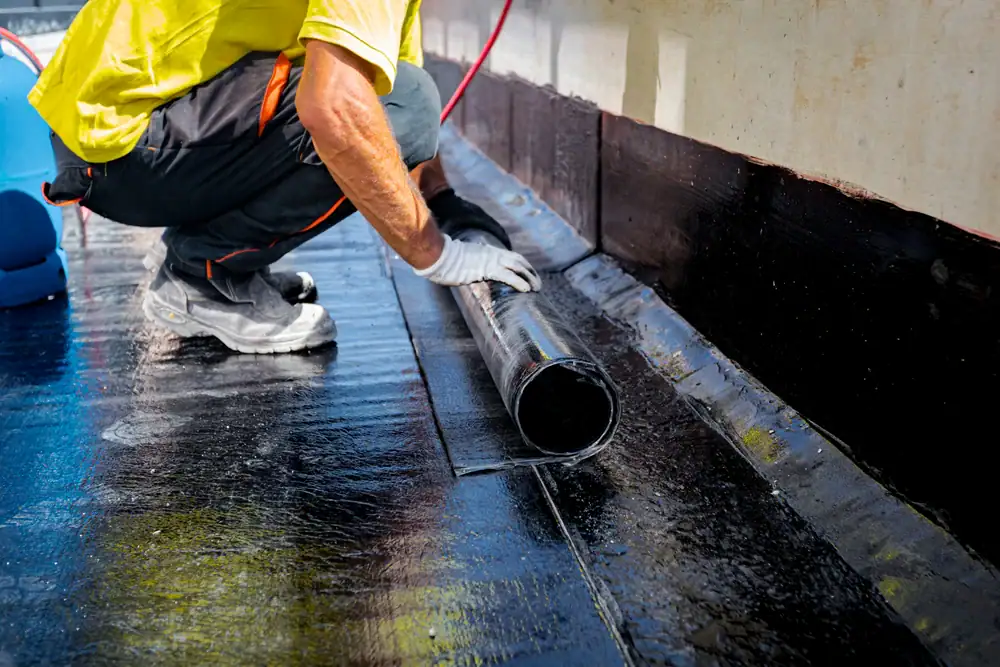
Most residential waterproofing projects in West Whiteland run between $3,000 and $8,000, depending on the size of your basement and what’s causing the water intrusion. A simple interior drainage system with a sump pump costs less than a full perimeter system with exterior excavation and foundation sealing.
Here’s what affects the price: the square footage of your basement, how many walls are leaking, whether you need mold remediation, and if your sump pump needs replacing or upgrading. Homes with finished basements sometimes cost more because we’re working around existing walls and flooring.
The real cost, though, is what happens if you don’t waterproof. A single inch of water in a small home averages $11,000 in damage. That’s just for cleanup and repairs—it doesn’t include lost belongings, mold remediation, or the hit your home value takes when buyers see water stains during an inspection. Waterproofing isn’t an expense. It’s protection against a much bigger bill down the road.
A properly installed waterproofing system lasts decades. The interior drainage systems we install are built to handle groundwater pressure for 20-30 years or more. Sump pumps typically last 7-10 years, but they’re easy to replace without redoing the whole system.
That’s why our Lifetime Transferable Warranty matters. We’re not covering the work for five years and hoping you forget about us. We’re backing it for as long as you own the home—and if you sell, the next owner gets the same protection.
The systems that fail early are usually the ones installed by companies cutting corners—using thin plastic instead of durable materials, skipping proper grading, or installing pumps that aren’t rated for the water volume. We use commercial-grade components because basement waterproofing isn’t something you want to redo every few years. You want it done once, done right, and forgotten about.
Water gets into your basement through hydrostatic pressure, which is just a fancy term for groundwater pushing against your foundation. When it rains hard, the soil around your house gets saturated. That water has to go somewhere, and if your foundation has any cracks or weak points, it’s coming inside.
In West Whiteland, the soil composition makes this worse. Clay-heavy soil doesn’t drain well, so water sits around your foundation longer. If your gutters are clogged or your downspouts dump water right next to your house, you’re making the problem even worse.
Sometimes the issue is a failing sump pump or a drainage system that’s overwhelmed. Sometimes it’s foundation cracks that have gotten worse over time. Either way, water in your basement after rain isn’t normal, and it’s not something that fixes itself. The longer you wait, the more damage it does—to your foundation, your air quality, and your home’s structure. Fixing it means identifying where the water’s coming from and installing a system that handles the volume your property deals with.
Yes, but only if the waterproofing actually stops the moisture. Mold grows when humidity stays above 60% and there’s organic material to feed on—drywall, wood, cardboard boxes. If your basement stays damp, you’ll keep dealing with mold no matter how many times you clean it.
A proper waterproofing system keeps water out and controls humidity. That means interior drainage to handle groundwater, a working sump pump to remove it, and sometimes a dehumidifier to manage moisture in the air. Once the environment is dry, mold can’t grow.
That musty smell is usually mold or mildew that’s already there. If you’ve had water issues for a while, you might need mold remediation before or during waterproofing. We handle that as part of the process when needed. But here’s the thing—cleaning up mold without fixing the moisture problem is pointless. It just comes back. You have to eliminate the source, and that means keeping your basement dry year-round.
You can seal small cracks and improve drainage around your house yourself. Cleaning gutters, extending downspouts, and regrading soil away from your foundation are all DIY-friendly and actually help. But installing an interior drainage system or a sump pump? That’s not a weekend project.
Here’s why: if you don’t install the drainage system at the right depth or pitch, water won’t flow to the sump pit. If you don’t use the right pump for your water volume, it’ll burn out or fail when you need it most. If you don’t seal the system correctly, you’re just moving water around instead of removing it.
Professional waterproofing also comes with a warranty. If something goes wrong with a DIY job, you’re paying to fix it and then paying a professional to do it right. If something goes wrong with our work, we come back and make it right at no cost to you. For a system that protects a $460,000 home, that peace of mind is worth it.
Sometimes you need both, but here’s the difference: foundation repair fixes structural damage—cracks, bowing walls, settling. Waterproofing stops water from getting in. If your foundation is damaged because of water pressure, you fix the foundation first, then waterproof to prevent it from happening again.
Signs you need foundation repair: large cracks (wider than a quarter inch), horizontal cracks, walls that are bowing inward, or doors and windows that suddenly don’t close right. Signs you need waterproofing: water pooling on the floor, damp walls, efflorescence (white chalky residue), or that musty smell.
A lot of foundation problems start because water wasn’t managed correctly. Hydrostatic pressure pushes against foundation walls until they crack or shift. If you only fix the cracks without addressing the water, you’re going to be fixing them again in a few years. That’s why we assess both during the inspection—so you know exactly what your basement needs and why.
Other Services we provide in West Whiteland