SERVING THE GREATER PHILADELPHIA & LEHIGH REGION
COMPREHENSIVE BASEMENT WATERPROOFING SOLUTIONS
Whether you’re dealing with seasonal flooding, groundwater seepage, or chronic dampness, our team is here to help. Professional waterproofing not only preserves your basement but also protects the rest of your home from moisture-related issues. Protect your investment by contacting Del-Val Basement Waterproofing for a no-cost consultation and estimate today.
Common Signs Of Basement Waterproofing Issues
Wet or Damp Floors
Sump Pump Issues
Condensation
Musty Odors
Leaking or Damp Walls
Crystalline Deposits on Concrete
Pooling or Standing Water
Why We All Need Basement Waterproofing – Let Del-Val Help You Protect Your Home
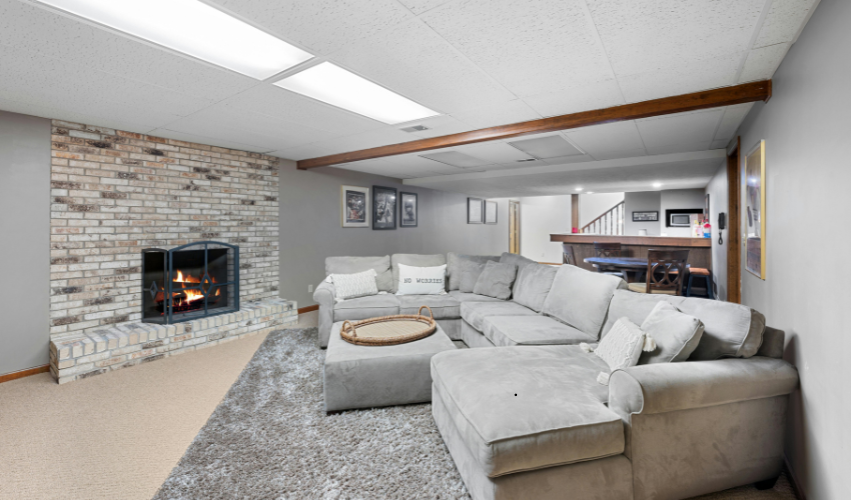
Even subtle signs of moisture—like a musty smell, damp walls, or faint water marks—can signal a bigger issue in your basement. And even if you haven’t noticed visible water yet, basement waterproofing can play a critical role in protecting your home. Effective waterproofing works by keeping moisture out before it causes structural damage, ruined belongings, or health concerns such as mold growth.
Because your basement sits below ground level, it’s naturally more vulnerable to water intrusion. Moisture can enter through small foundation cracks, inadequate drainage around the home, or hidden plumbing issues. Older waterproofing systems may also lose effectiveness over time, leaving your basement exposed even if it was treated years ago.
Common Reasons Basements Take on Water
- Inadequate drainage: When rainwater pools around your foundation, pressure can force moisture through walls or floors.
- Plumbing leaks: Aging pipes or cold-weather freezing can lead to cracks and slow leaks that go unnoticed.
- Humidity and condensation: Warm, moist air reacting with cool basement surfaces can cause persistent dampness.
How Del-Val Can Help
At Del-Val Basement Waterproofing, we offer proven solutions designed to keep basements dry and protected:
- Interior waterproofing: A cost-effective option that may include interior drainage systems and specialized sealants to manage water from the inside.
- Exterior waterproofing: A more comprehensive solution that involves sealing the foundation exterior and improving drainage to stop water before it enters.
Every home is different, which is why the right waterproofing approach depends on your specific conditions. Del-Val’s experienced team will help identify the source of the problem and recommend the best solution to protect your basement—and your home—for the long term.
Del-Val's Interior Basement Waterproofing Services
At Del-Val Basement Waterproofing, we provide expert interior waterproofing solutions to keep your home dry and protect its structural integrity. With recommendations from Structural Engineers and thousands of successful installations, our team specializes in a Sub Floor Pressure Relief System—a robust and reliable alternative to outdated French drains that may have failed over time.
Sub Floor Pressure Relief System Installation:
Designed for optimal water management, our subfloor systems protect your basement by preventing groundwater from entering, even in homes with unique foundation needs, such as footed, stone wall, or non-footed foundations.
Sump Pump and Crock Installations:
We offer advanced sump pump systems to manage water flow efficiently. Choose from Hydro-Powered Siphon pumps, which utilize water pressure for backup power, or reliable battery backup solutions for uninterrupted performance.
Underpinning for Non-Footed Foundations:
For homes without traditional footings, our underpinning services provide essential foundation support before waterproofing, ensuring a stable and effective waterproofing solution.
Interior Wall Coatings:
Enhance moisture resistance by sealing basement walls, preventing dampness and mold growth. Our team applies high-quality coatings that help maintain a dry and healthy basement environment.
Frequently Asked Questions
How Much Does a Typical Basement Waterproofing Project Cost?
You’re probably wondering about the cost of a typical basement waterproofing project. It’s not a one-size-fits-all answer. Prices can vary greatly, depending on your home’s specifics and the waterproofing method chosen.
On average, you might spend between $3,000 to $10,000. However, major repairs could exceed this range. It’s wise to get several estimates and ensure you’re not just going for the cheapest option, but the most effective one for your home.
How Long Does a Waterproofing Solution Usually Last?
Ironically, you’re asking about longevity in an age of disposability. Yet, when it comes to basement waterproofing, longevity is key.
Most waterproofing solutions are designed to last for the life of your home. However, it depends on the type of waterproofing system installed. Some systems, like interior water drainage, can last for decades without maintenance. Others, like exterior waterproofing, can last up to 10 years but may require regular upkeep.
Is Basement Waterproofing Covered Under Home Insurance?
Typically, your home insurance doesn’t cover basement waterproofing. It’s viewed as a preventive measure, not a repair or replacement due to damage.
Insurance may cover water damage if it’s sudden and accidental, like a burst pipe. But, it usually won’t cover damage from neglect or failure to maintain your property, including seepage or leaks over time.
Always check your policy’s specifics, though, as coverage can vary.
Can I Live in My House During the Basement Waterproofing Process?
Yes, you can continue living in your house during the basement waterproofing process. It’s a non-invasive procedure that doesn’t usually disrupt your daily routines.
However, you might experience some noise and dust. It’s crucial to communicate with your contractor about the process and timeline to ensure your comfort and convenience.
Prepare for minimal disruption, but remember, it’s a small price to pay for long-term protection against potential water damage.
What Are the Potential Health Risks if I Don’t Waterproof My Basement?
If you neglect to waterproof your basement, you’re risking your health. Unchecked moisture can foster mold and mildew growth, causing respiratory issues like asthma and allergies.
Dampness can also attract pests, contributing to disease spread. Moreover, poor air quality due to higher humidity levels can lead to respiratory problems and skin irritations.