
Hear from Our Customers
You stop checking the forecast every time rain’s in the forecast. That’s the difference between a band-aid fix and basement waterproofing that addresses what’s actually causing water to show up in the first place.
Your basement becomes usable space again. Not storage for things you’re afraid to ruin. Not a room you avoid showing guests. Actual square footage you can finish, furnish, or just stop worrying about.
The air quality improves throughout your entire home. Most people don’t realize that up to 50% of the air on your main floor comes from your basement. When that lower level stays dry, you’re not circulating mold spores, musty smells, and moisture through your HVAC system. You’re breathing cleaner air, and if anyone in your house deals with asthma or allergies, they’ll notice.
Your foundation stops taking damage. Every time water sits against your foundation walls or hydrostatic pressure builds up underneath your floor, you’re looking at cracks, bowing, and structural issues that only get worse. Basement waterproofing in East Whiteland, PA protects the bones of your house before those problems turn into five-figure foundation repairs.
Del Val Basement Waterproofing is a family-run basement waterproofing company serving East Whiteland, PA and the greater Philadelphia area for over 15 years. We’re not the biggest name you’ll find, and that’s intentional. You get the experience and technical know-how of a large waterproofing contractor, with the accountability and straightforward pricing of a local business.
We specialize in sub-floor pressure relief systems—a more reliable alternative to outdated French drains that actually handles Pennsylvania’s water table issues and freeze-thaw cycles. Our system comes recommended by structural engineers, and we’ve installed thousands of them across Chester County and surrounding areas.
Every installation is backed by a lifetime transferable warranty. That’s not marketing language. It means if you sell your home, the warranty goes with it, which tells you how confident we are that the work will hold up. East Whiteland sits in an area where basements take a beating from spring runoff, summer storms, and ground saturation. We’ve seen what works here and what doesn’t.
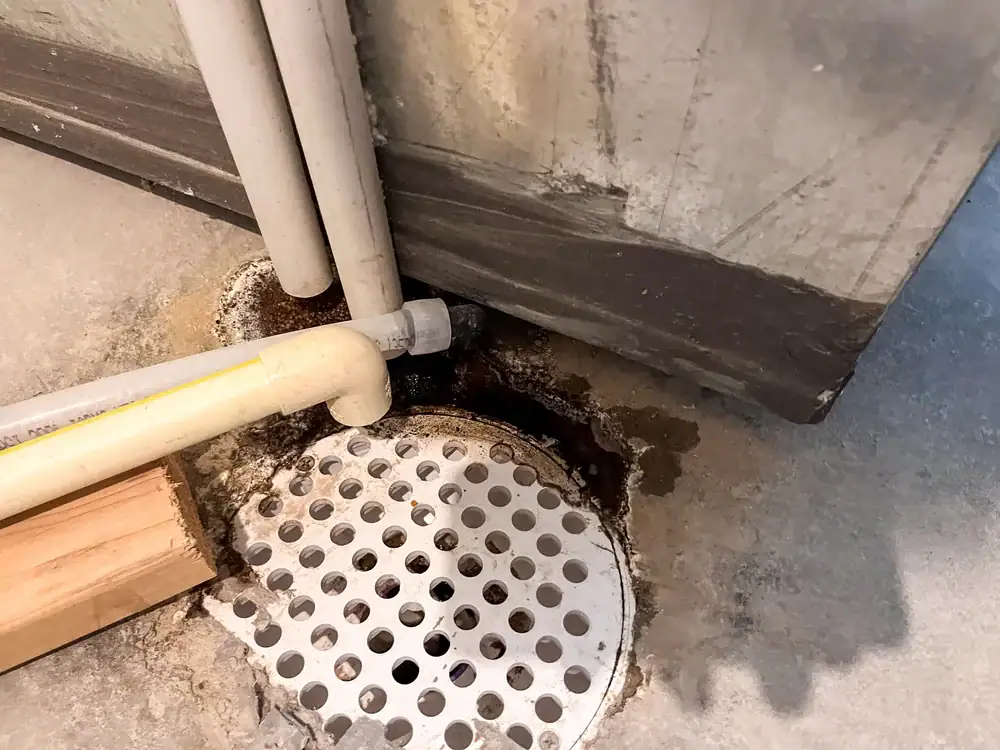
We start with a free estimate where we actually look at what’s causing water to enter your basement. Not every house has the same problem. Some have exterior drainage issues, some have hydrostatic pressure from below, some have foundation cracks letting water seep through. We identify the source before recommending a solution.
Once we’ve pinpointed the issue, we explain what needs to happen and why. If you need interior waterproofing, we’re typically installing a sub-floor pressure relief system along the perimeter of your basement. This involves removing a section of the concrete floor along the walls, installing drainage channels, and connecting everything to a sump pump system that actively removes water before it ever reaches your basement floor.
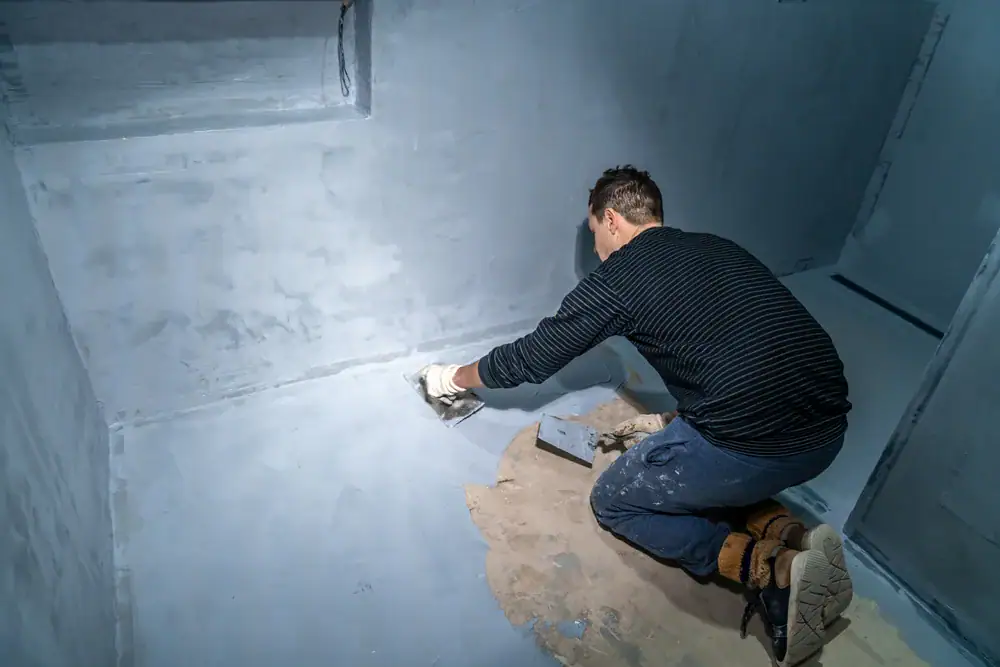
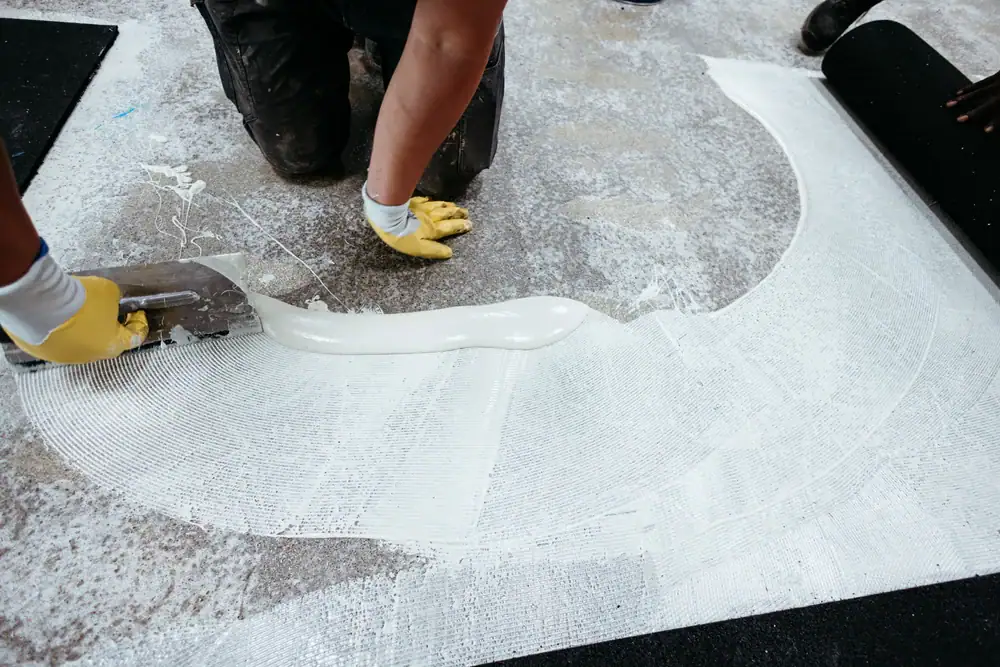
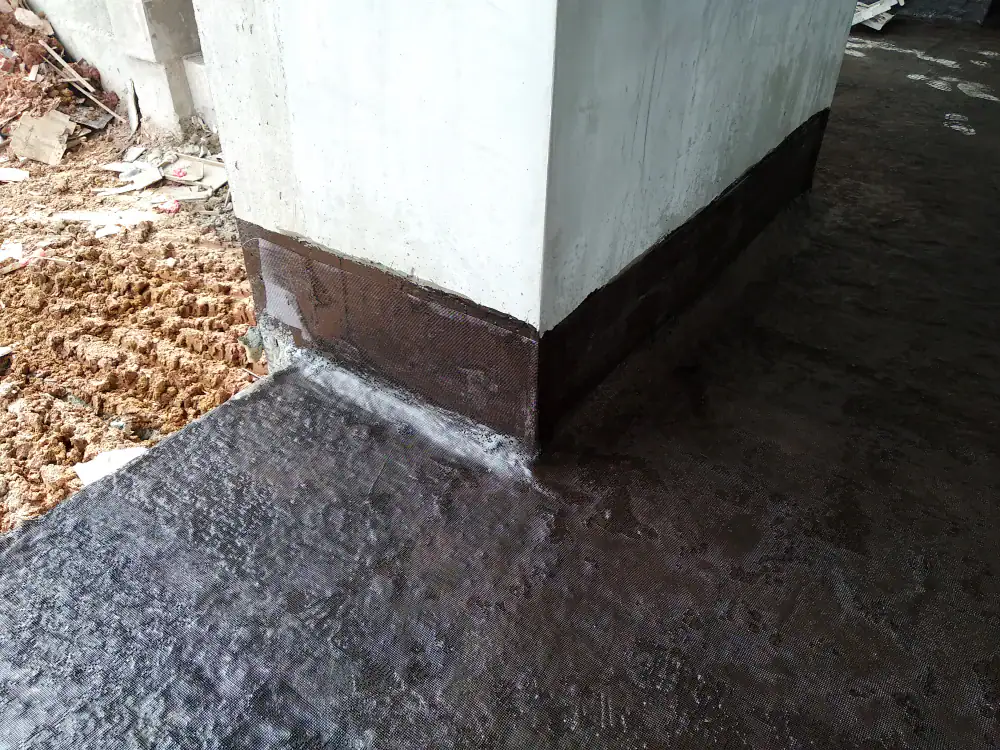
For exterior waterproofing or foundation issues, we excavate around the affected walls, apply waterproof membrane, install proper drainage systems, and backfill correctly so water moves away from your foundation instead of pooling against it. The approach depends entirely on what your specific situation requires.
The process is less invasive than most people expect. You can stay in your home during the work. We’re not tearing your house apart—we’re installing a system designed to last for decades with minimal maintenance. Most basement waterproofing projects in East Whiteland, PA take between 2-5 days depending on the scope, and we clean up thoroughly when we’re done.
Ready to get started?
A proper basement waterproofing solution in East Whiteland, PA handles water from every angle it tries to enter. That means interior drainage to manage groundwater and hydrostatic pressure, sump pump installation with battery backup so you’re protected even during power outages, and exterior waterproofing when foundation walls need protection from outside moisture.
We also address basement wall waterproofing when you have seepage coming through cracks or porous concrete. This involves crack injection, membrane installation, or full wall sealing depending on severity. If your crawl space is contributing to moisture problems, we handle crawl space encapsulation and vapor barrier installation as part of a comprehensive approach.
East Whiteland’s clay-heavy soil and seasonal water table fluctuations create specific challenges. Spring thaw and heavy April rains are particularly brutal here—you get rapid snowmelt when the ground’s still partially frozen, which means nowhere for that water to go except against your foundation. Our systems are designed specifically for Pennsylvania conditions, not generic solutions that work in drier climates but fail here.
You also get proper permits, code-compliant installation, and a lifetime transferable warranty that covers the waterproofing system for as long as you own your home. If something fails, we come back and make it right. That’s the difference between a basement waterproofing contractor who stands behind their work and someone who disappears after collecting payment.
Most basement waterproofing projects in East Whiteland, PA run between $3,500 and $8,000 depending on the size of your basement, the severity of water intrusion, and whether you need interior drainage, exterior waterproofing, or both. A straightforward interior perimeter drain system with sump pump installation typically falls in the $4,000-$6,000 range for an average-sized basement.
Exterior waterproofing costs more because it involves excavation, waterproof membrane application, and proper backfill—usually $8,000-$15,000 depending on how much of the foundation perimeter needs treatment. If you’re dealing with foundation cracks, bowing walls, or structural issues on top of waterproofing needs, costs go up from there.
The real question isn’t what it costs—it’s what happens if you don’t do it. Water damage, mold remediation, and foundation repairs cost significantly more than preventive waterproofing. Plus, basement waterproofing typically returns about 75% of its cost in home value, so you’re protecting your investment either way. We provide free estimates so you know exactly what you’re looking at before committing to anything.
A properly installed basement waterproofing system should last 20-30 years minimum, and many systems last the lifetime of your home with basic maintenance. The key is “properly installed”—which means addressing the actual source of water intrusion, not just slapping a sealant on your walls and hoping for the best.
Interior drainage systems like the sub-floor pressure relief system we install are extremely durable because they’re designed to handle continuous water flow. The drainage channels don’t clog easily, and quality sump pumps last 7-10 years before needing replacement. We recommend testing your sump pump annually and having the system inspected every few years, but there’s no intensive maintenance required.
Exterior waterproofing membranes and properly applied sealants also last decades when installed correctly. The problem is when contractors cut corners—using subpar materials, skipping proper drainage installation, or not addressing grading issues that send water toward your foundation. Pennsylvania’s freeze-thaw cycles are tough on foundations, so the waterproofing system needs to be robust enough to handle seasonal expansion and contraction without failing. That’s why we back our work with a lifetime transferable warranty.
Yes, and interior waterproofing is often the most effective solution for managing groundwater and hydrostatic pressure—which are the most common causes of basement flooding in East Whiteland, PA. An interior perimeter drain system intercepts water before it reaches your basement floor and channels it to a sump pump that removes it from your home.
Interior basement waterproofing works well because it addresses water at the point of entry without requiring extensive excavation around your foundation. It’s less disruptive, more affordable than exterior work, and just as effective for most water intrusion issues. The sub-floor pressure relief system we install is specifically designed to handle Pennsylvania’s high water table and seasonal saturation.
That said, interior waterproofing doesn’t protect your foundation walls from exterior moisture, and it won’t fix existing foundation cracks or structural damage. If you have water seeping through your walls, bowing or cracking foundation walls, or exterior drainage problems, you might need exterior waterproofing or a combination approach. We assess your specific situation during the estimate and recommend what actually makes sense for your house—not what makes us the most money.
The biggest culprit in East Whiteland, PA is hydrostatic pressure from groundwater. Chester County sits on clay-heavy soil with a fluctuating water table, and when that water table rises during heavy rain or spring snowmelt, it creates pressure underneath your basement floor and against your foundation walls. That pressure forces water up through cracks in your floor, through the cove joint where walls meet the floor, or directly through porous concrete.
Poor exterior drainage is the second major cause. If your gutters dump water right next to your foundation, if your yard slopes toward your house instead of away from it, or if you don’t have proper drainage systems in place, you’re funneling water directly where you don’t want it. Over time, that water saturates the soil around your foundation and finds its way inside.
Foundation cracks and deteriorating mortar joints also let water seep through, especially in older East Whiteland homes where foundations have been through decades of freeze-thaw cycles. Pennsylvania winters are brutal on concrete—water gets into small cracks, freezes and expands, then thaws and allows more water in. Those cracks widen over time until you’re dealing with active leaks during every rainstorm. The solution depends on what’s causing your specific flooding, which is why a proper assessment matters before jumping into any waterproofing work.
If you’re installing an interior drainage system, yes—the sump pump is what actually removes the water that the drainage system collects. The perimeter drains intercept groundwater and channel it to a sump basin, and the pump activates automatically to discharge that water away from your foundation. Without the pump, you’re just collecting water in your basement with no way to get rid of it.
We typically install sump pumps with battery backup systems so you’re protected even during power outages. The worst basement flooding often happens during severe storms that knock out power, which is exactly when you need your sump pump working. A battery backup ensures continuous protection regardless of whether your electricity is on.
If you’re only doing exterior waterproofing and your basement doesn’t have groundwater issues, you might not need a sump pump. But in East Whiteland, PA, where hydrostatic pressure and high water tables are common, most comprehensive basement waterproofing solutions include interior drainage with a sump pump system. It’s the most reliable way to keep your basement dry year-round, especially during Pennsylvania’s unpredictable spring weather and summer thunderstorms.
Yes, if the musty smell is caused by moisture—which it almost always is. That damp, earthy odor isn’t just “basement smell.” It’s the result of elevated humidity, water vapor, and often mold or mildew growth in areas you can’t always see. When you eliminate the moisture source through proper basement waterproofing, you eliminate the conditions that create that smell.
Basement waterproofing in East Whiteland, PA addresses the root cause by stopping water intrusion and reducing humidity levels. Once your basement stays consistently dry, mold and mildew can’t thrive, organic materials stop breaking down from moisture exposure, and the air quality improves dramatically. You’ll notice the difference within weeks of having a waterproofing system installed.
If the smell persists after waterproofing, you might have existing mold growth that needs remediation, or you might benefit from a dehumidifier to maintain optimal humidity levels. But in most cases, stopping the water stops the smell. Just masking it with sealants or covering it up with finishing materials doesn’t work—you have to address the moisture problem itself, which is exactly what a proper waterproofing system does.
Other Services we provide in East Whiteland