Hear from Our Customers
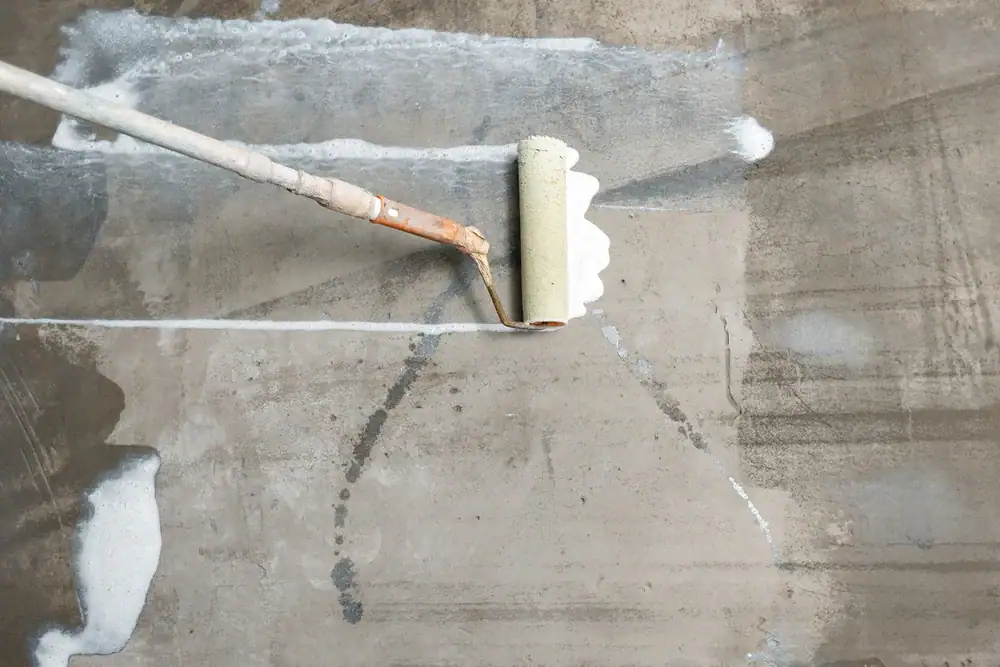
You’re not dealing with a small puddle anymore. Every storm brings anxiety about what you’ll find downstairs. That dampness you’ve been ignoring is now a wet floor, and you’re wondering how much worse it’ll get before you do something about it.
Here’s what changes when your basement stays dry. You stop worrying every time rain hits. You can actually use that space for storage without ruining everything you put down there. Your home’s value doesn’t tank because of water damage, and you’re not breathing in mold spores that make allergies worse.
A proper waterproofing system handles the water before it becomes your problem. It redirects pressure, channels water away from your foundation, and keeps your basement livable. You get your peace of mind back, and your home stays protected for the long haul.
We’ve been fixing wet basements across the Delaware Valley since 2007. We’re based in Plymouth Meeting and we’ve worked in Charlestown long enough to know exactly what causes water problems here—clay soil, hydrostatic pressure, and older homes that weren’t built with modern drainage in mind.
We’re a family-run operation, which means when you call, you’re talking to people who actually care about the outcome. We don’t subcontract the work or disappear after installation. Every system we install comes with a lifetime transferable warranty, and we stand behind it because our reputation depends on keeping your basement dry.
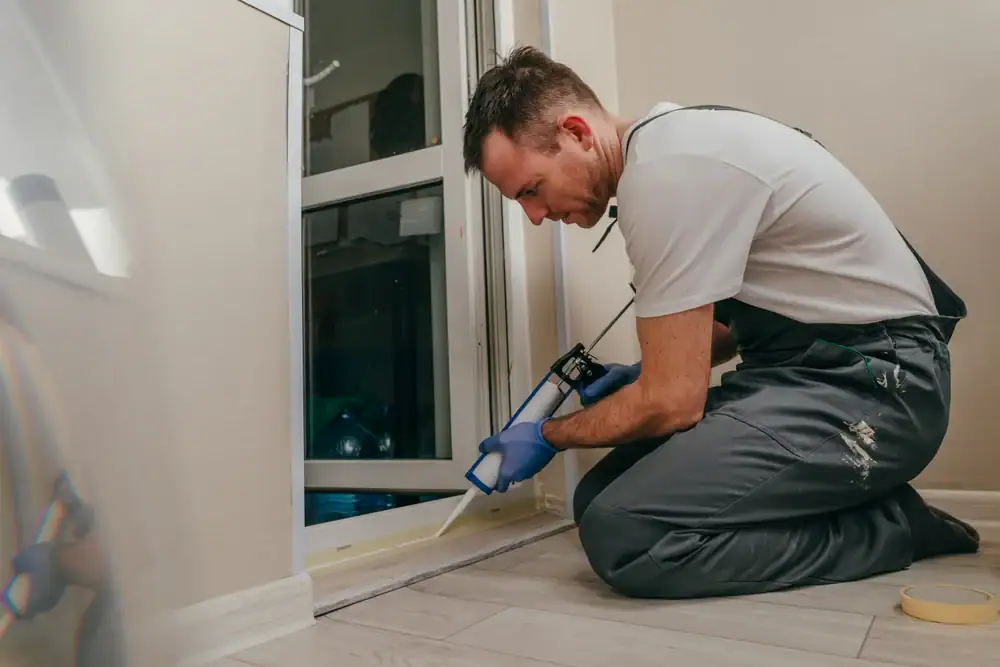
First, we send someone out to inspect your basement and figure out where the water’s coming from. No guessing. We look at cracks, check for hydrostatic pressure, and assess whether you need interior or exterior work. You get a free estimate that breaks down what needs to happen and why.
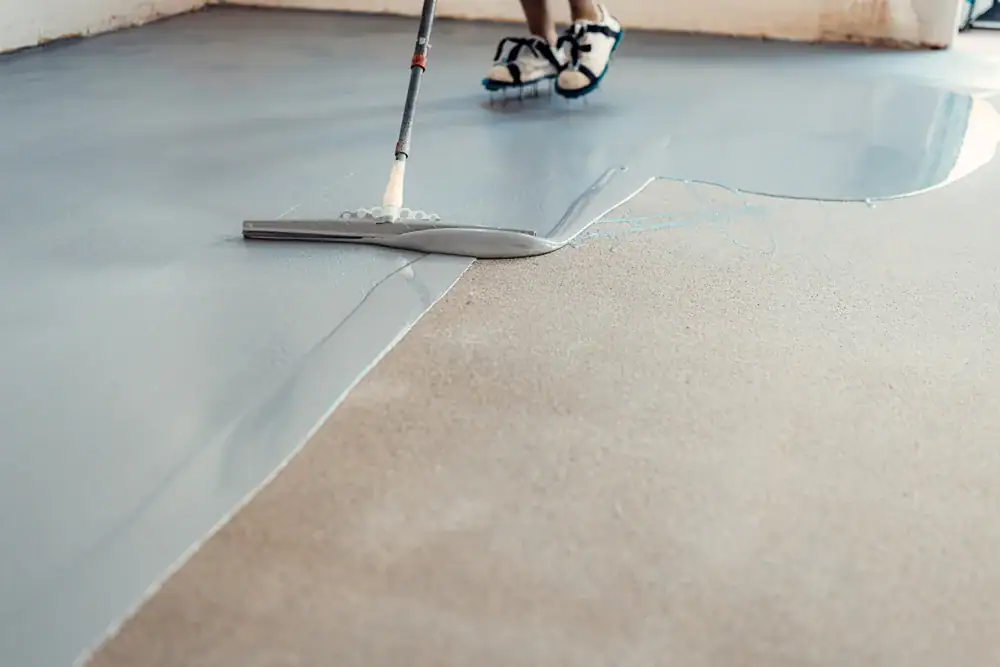
Once you’re ready to move forward, we schedule the installation. Most jobs are non-invasive, meaning you don’t have to move out or gut your basement. We install a Sub Floor Pressure Relief System that handles water at the source—underneath your floor, where it builds up and pushes through. This system is more reliable than old French drains that clog and fail over time.
After installation, we test everything to make sure water’s draining properly. Then we walk you through how the system works and what to expect. Your basement stays dry, and if anything ever goes wrong, our lifetime warranty covers it. That’s the process—no surprises, no runaround.
Ready to get started?
You’re getting a Sub Floor Pressure Relief System designed specifically for homes in Charlestown, where clay soil creates constant pressure against your foundation. This isn’t a temporary patch job. It’s a permanent solution that handles water before it ever reaches your basement floor.
The system includes interior drainage, a sump pump setup that moves water out fast, and vapor barriers that stop moisture from seeping through your walls. Everything is installed to last the life of your home, and it’s all covered under our lifetime transferable warranty. If you sell, the warranty transfers to the next owner—which is a selling point most buyers care about.
Charlestown has a lot of older homes where basements were never waterproofed properly in the first place. We’ve seen foundations from the early 1900s that are still solid structurally but let water in every spring. Our systems work with your existing foundation to stop intrusion without tearing everything apart. You also get mold prevention as a side benefit, since moisture is what allows mold to grow in the first place.
Cost depends on the size of your basement, the severity of the water problem, and what type of system you need. Interior waterproofing with a Sub Floor Pressure Relief System typically runs less than exterior excavation, and it’s just as effective for most homes in Charlestown.
We give free estimates after inspecting your basement, so you know exactly what you’re paying for before any work starts. Most homeowners in this area spend between a few thousand and ten thousand depending on square footage and complexity. The investment protects your foundation from structural damage that costs a lot more to fix down the road.
Financing options are available if you need them, and the lifetime warranty means you’re not paying for repairs or reinstalls later. Compare that to the cost of replacing flooring, fixing foundation cracks, or dealing with mold remediation, and waterproofing pays for itself.
The biggest culprit is hydrostatic pressure from clay soil. When it rains, the soil around your foundation absorbs water, expands, and pushes against your basement walls with serious force. That pressure finds any crack or weak point and forces water through.
Charlestown also has a lot of older homes where the original construction didn’t account for modern drainage standards. If your home was built before the 1980s, there’s a good chance you don’t have a proper drainage system or waterproof membrane around your foundation. Add in clogged gutters, poor grading, or a high water table, and you’ve got a recipe for a wet basement.
Interior waterproofing solves this by relieving that pressure from the inside. Instead of fighting the water at the exterior, we channel it safely away before it becomes a problem. It’s less invasive, more reliable, and it works even if your yard or landscaping makes exterior work impractical.
A properly installed system lasts the life of your home. Our Sub Floor Pressure Relief Systems are built with durable materials that don’t degrade or clog like older French drain setups. The sump pumps we use are commercial-grade and designed to handle heavy water flow during storms.
You’re not looking at a system that needs replacement in ten or fifteen years. Most of our installations from 2007 are still working perfectly today. The only maintenance you’ll need is occasional sump pump checks, which take five minutes and can be done yourself.
Our lifetime transferable warranty backs this up. If something fails, we fix it. That’s not a common offer in this industry, and we only make it because we know our systems hold up. You’re investing once and getting protection that lasts as long as you own the home.
You can try, but most DIY waterproofing fails because it doesn’t address the root cause. Painting on a sealant or patching cracks might stop minor dampness temporarily, but it won’t handle hydrostatic pressure or water coming up through your floor. You’ll end up doing the work twice—once on your own, then again when you call a professional.
Waterproofing requires diagnosing where the water is actually coming from, which isn’t always obvious. It also requires the right equipment, materials, and installation techniques to make sure the system works under pressure. A sump pump installed incorrectly won’t keep up during heavy rain, and improper drainage can make the problem worse.
If you’re dealing with anything more than surface moisture, it’s worth getting a professional assessment. We offer free estimates, so you can at least know what you’re up against before deciding whether to tackle it yourself. Most homeowners realize pretty quickly that the cost of doing it right the first time is worth it.
Exterior waterproofing involves excavating around your foundation, applying a waterproof membrane, and installing drainage at the footer level. It’s effective, but it’s also expensive, disruptive, and not always possible if you have a driveway, deck, or landscaping in the way.
Interior waterproofing works from inside your basement. We install a drainage system beneath your floor that captures water before it surfaces, then pump it out through a sump system. It’s less invasive, costs less, and handles the same water problems without tearing up your yard.
For most homes in Charlestown, interior waterproofing is the smarter choice. It solves the pressure issue, keeps your basement dry, and doesn’t require weeks of excavation work. Exterior work makes sense in specific situations—like if your foundation walls are actively deteriorating—but for water intrusion, interior systems do the job without the hassle.
Waterproofing stops water from coming through cracks, but it doesn’t repair structural damage. If your foundation has cracks from settling or pressure, those need to be addressed separately. We handle both—waterproofing and foundation repair—so we can assess whether your cracks are just entry points for water or signs of a bigger structural issue.
Small hairline cracks are common and usually not a problem once you stop water from getting in. Larger cracks, especially horizontal ones or cracks that are getting wider, might need stabilization or reinforcement before waterproofing. We’ll tell you exactly what’s needed during the inspection.
Once the foundation is stable and waterproofed, those cracks stop being an issue. Water can’t get through, pressure is relieved, and your basement stays dry. If you’re seeing new cracks or existing ones getting worse, that’s a sign you need to address it sooner rather than later before the damage gets expensive.
Other Services we provide in Charlestown