
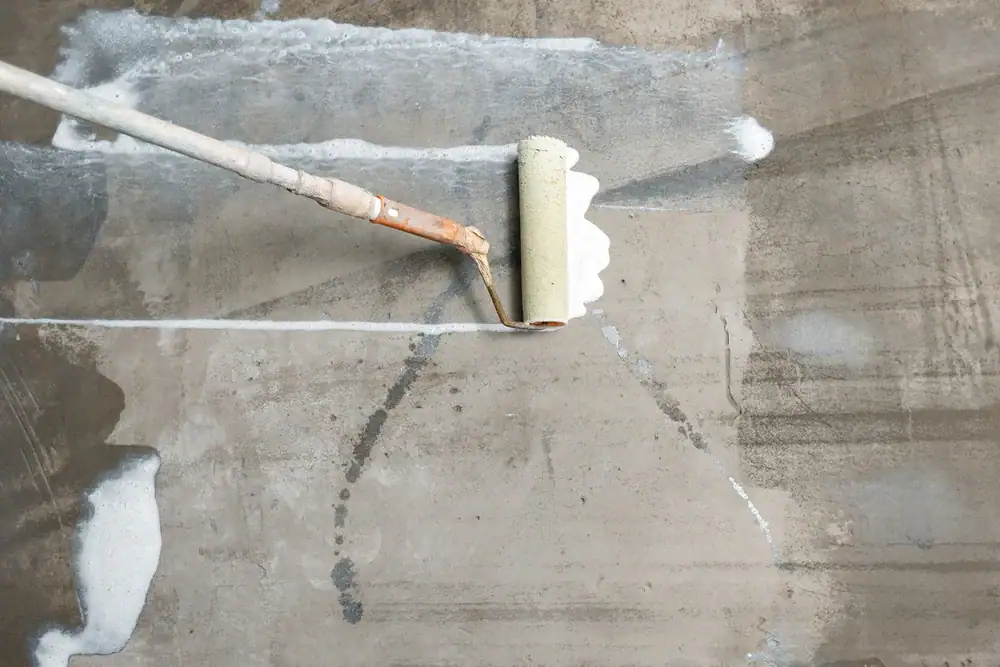
Hear from Our Customers
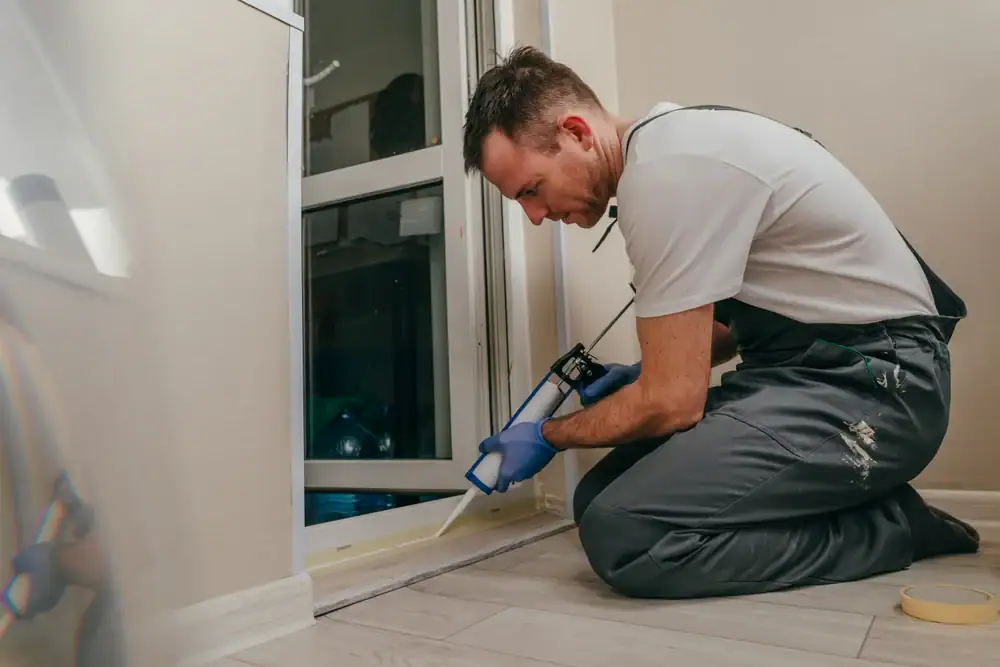
You stop checking the forecast every time rain’s in the air. You stop worrying about that smell creeping upstairs or what’s growing behind the drywall. Your basement becomes usable space again—not a liability you avoid showing guests.
Fort Washington homes sit on clay-heavy soil that holds water like a sponge. Add in older foundations and the freeze-thaw cycles we get every winter, and you’ve got a recipe for recurring water problems. Once water finds a way in, it widens that path every time it rains.
A proper waterproofing job doesn’t just push the problem down the road. It eliminates the entry points, redirects water away from your foundation, and gives you a transferable lifetime warranty that actually protects your investment. That’s what a dry basement should mean.
Del Val Basement Waterproofing is a family-run waterproofing company based in Plymouth Meeting, serving Fort Washington and Montgomery County. We’re not a franchise with rotating crews. We’re local, and we know what Pennsylvania basements deal with.
Clay soil, old stone foundations, heavy spring rains—these aren’t surprises to us. We’ve seen what works and what doesn’t. Our crews are trained in-house, and every job comes with a lifetime transferable warranty because we’re not going anywhere.
You’re not getting a sales pitch. You’re getting an honest assessment and a solution that fits your home and your budget.
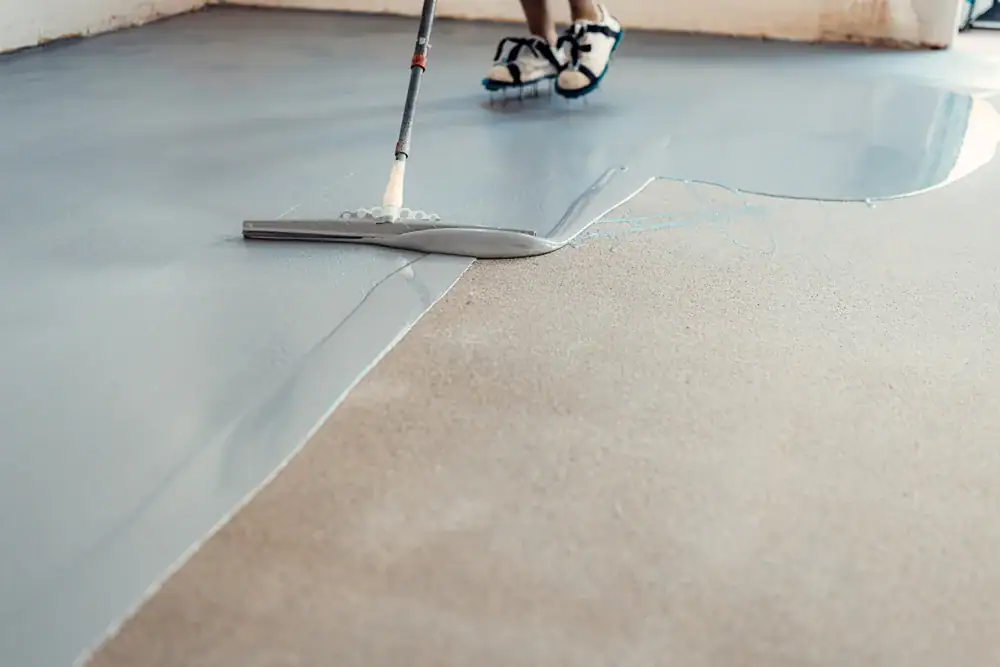
First, we inspect your basement to figure out where the water’s coming from. Not all leaks are the same, and the fix depends on whether it’s foundation cracks, hydrostatic pressure, or poor drainage around the property.
Once we know the source, we walk you through the options—interior drainage systems, exterior waterproofing membranes, sump pump installation, foundation crack repair. We explain what each solution does and why it matters for your specific situation.
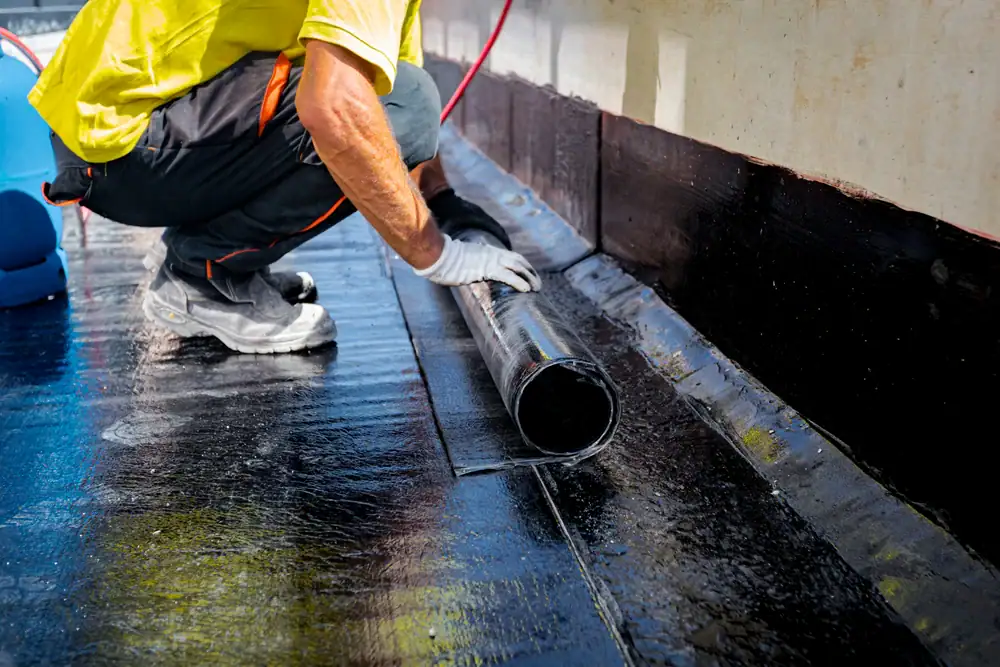
Then we get to work. If it’s an interior system, we’re installing perimeter drains and sump pumps that collect and redirect water before it hits your floor. If it’s exterior, we’re excavating around the foundation, applying waterproof membranes, and regrading to move water away from the house.
When we’re done, your basement is dry, the work is clean, and you’ve got documentation and a warranty that transfers if you sell. No mystery charges. No shortcuts.
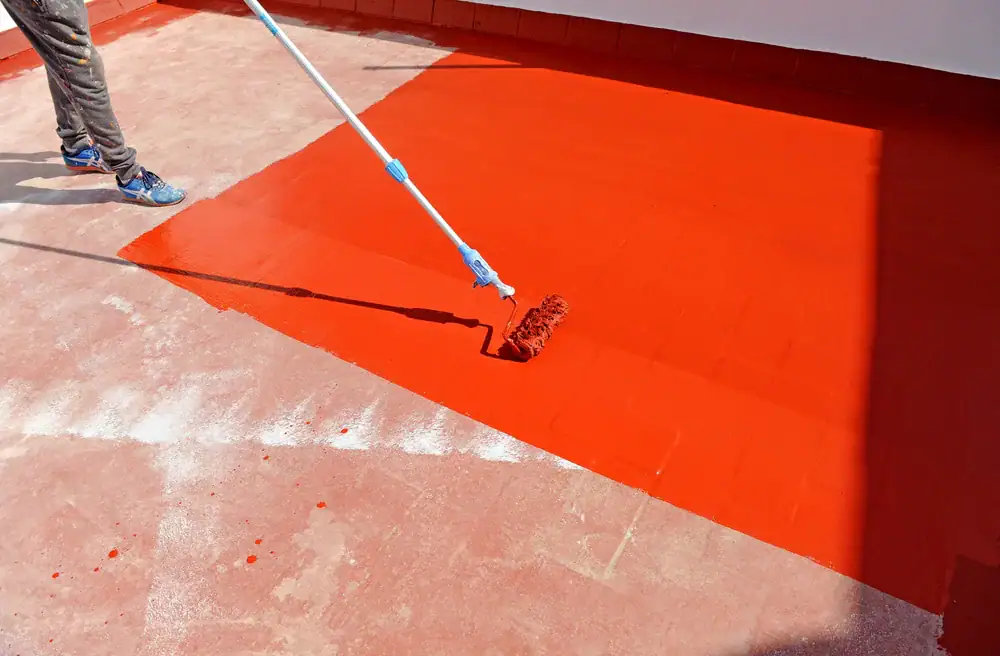
Ready to get started?
You’re getting a full inspection with a written assessment of what’s causing the water intrusion. That includes checking for foundation cracks, evaluating drainage patterns, and identifying any structural concerns that need attention.
The work itself covers interior and exterior waterproofing depending on what your home needs. Interior systems include perimeter drainage, sump pump installation, and vapor barriers. Exterior work involves excavation, membrane application, and proper backfill with drainage improvements.
Fort Washington’s older homes often have stone or brick foundations that are more porous than modern poured concrete. We account for that. We also deal with the clay soil that expands when wet and contracts when dry, which puts constant pressure on your foundation walls.
Every job comes with a lifetime transferable warranty on the waterproofing work. That’s not a limited warranty with fine print—it’s coverage that protects your home and adds value if you decide to sell. You also get documentation for disclosure purposes, which Pennsylvania law requires when selling a home with previous water issues.
It depends on the scope of the problem and the solution your home needs. Interior drainage systems with sump pump installation typically run less than full exterior excavation and membrane application. Foundation crack repairs can be isolated fixes or part of a larger waterproofing project.
What drives cost is the extent of water damage, the size of your basement, and whether you need interior work, exterior work, or both. Homes in Fort Washington with older foundations or poor grading around the property often need more comprehensive solutions.
We give you a written estimate after the inspection so there’s no guessing. The cost of waterproofing is almost always less than the cost of ignoring it—foundation repairs, mold remediation, and structural damage add up fast. A wet basement also drops your home value by 10% or more, and you’re legally required to disclose water issues when you sell.
Clay soil is the biggest culprit. Montgomery County sits on clay-heavy soil that doesn’t drain well. When it rains, water saturates the ground and puts hydrostatic pressure against your foundation walls. That pressure forces water through any crack, seam, or weak point it can find.
Older homes in Fort Washington were often built with stone or brick foundations that are more porous than modern poured concrete. Those materials let water seep through more easily, especially after decades of freeze-thaw cycles that create micro-cracks.
Poor drainage around the property makes it worse. If your gutters dump water next to the foundation or your yard slopes toward the house, you’re channeling water right where you don’t want it. Once water creates an entry point, it widens that path every time it rains. That’s why the problem doesn’t go away on its own.
Interior drainage systems usually take one to three days depending on the size of your basement and the complexity of the work. That includes breaking out the perimeter concrete, installing the drainage system and sump pump, and pouring new concrete to finish.
Exterior waterproofing takes longer because it involves excavation around the foundation. Expect three to five days for most homes, though larger properties or homes with difficult access can take more time.
Foundation crack repairs are often same-day or next-day fixes if that’s the only issue. We use carbon fiber reinforcement or epoxy injection depending on the severity of the crack. Weather can affect exterior work—we’re not pouring concrete or applying membranes in freezing temperatures or heavy rain. We’ll give you a realistic timeline during the estimate so you know what to expect.
Yes, if you eliminate the moisture source. Mold needs water to grow, and it starts within 24 to 48 hours of water intrusion. If your basement stays dry, mold doesn’t have what it needs to spread.
Waterproofing stops water from getting in, which cuts off the mold’s supply. But if you already have mold growth, waterproofing alone won’t remove it—you’ll need mold remediation first, then waterproofing to prevent it from coming back.
Mold in basements is a health concern, especially for kids, elderly family members, and anyone with respiratory issues. It spreads through your HVAC system and affects air quality throughout the house. A dry basement with proper waterproofing and a vapor barrier keeps humidity levels down and prevents mold from taking hold. That’s not just about property value—it’s about keeping your family safe.
Yes. Every waterproofing job we complete comes with a lifetime transferable warranty. That covers the waterproofing work for as long as you own the home, and it transfers to the next owner if you sell.
The warranty isn’t loaded with exclusions or fine print. It covers the drainage system, sump pump installation, foundation waterproofing membranes, and crack repairs we perform. If water gets through the system we installed, we come back and fix it at no cost to you.
A transferable warranty adds value to your home because buyers know the basement is protected and they’re not inheriting someone else’s water problem. It also gives you peace of mind that you’re not gambling on a temporary fix. We’re a family-run company that’s been serving this area for years—we stand behind our work because our reputation depends on it.
It depends on where the water’s coming from and what your home needs. Exterior waterproofing is the most comprehensive solution because it stops water before it reaches the foundation. We excavate around the house, apply waterproof membranes, and improve drainage so water moves away from the walls.
Interior waterproofing manages water that’s already making its way in. We install perimeter drainage systems that collect water and direct it to a sump pump, which pumps it out and away from the house. Interior systems work well for homes where exterior excavation isn’t practical or where hydrostatic pressure is the main issue.
In Fort Washington, many older homes benefit from both. Exterior waterproofing protects the foundation itself, while interior drainage provides a backup system in case water finds another way in. We assess your specific situation during the inspection and recommend what makes sense for your home and your budget. There’s no one-size-fits-all answer—it’s about what actually solves your problem.
Other Services we provide in Fort Washington