
Hear from Our Customers
Your basement stays dry during heavy rain. No more damp walls, no more musty smell, no more wondering if that crack is getting worse.
When foundation cracks are repaired correctly, water stops finding its way into your basement. The structural integrity of your foundation gets restored. Your home value stays protected instead of declining because of visible foundation damage.
You’re not dealing with temporary patches that fail after the next storm. You’re getting a repair that addresses why the crack formed in the first place—whether that’s settlement, hydrostatic pressure, or soil movement common in Bala Cynwyd’s clay-heavy ground conditions.
The repair either happens from inside your basement or outside at the foundation wall, depending on the crack type and severity. Both methods work when done properly. Both stop water. Both restore stability.
What you get is a basement that functions the way it should. Dry. Stable. Protected. No ongoing anxiety about what’s happening behind your walls or under your floors.
We’ve been repairing foundation cracks in Bala Cynwyd, PA and throughout the Philadelphia area for over 30 years. We’ve seen what works and what fails.
Bala Cynwyd’s older homes—many built in the early-to-mid 1900s—settle differently than newer construction. The soil composition here creates specific pressure patterns. We know how foundations behave in this area because we’ve repaired hundreds of them.
We’re fully insured with general liability and worker’s compensation coverage. Our team includes certified waterproofing specialists who can diagnose the difference between a cosmetic crack and one that threatens your home’s structure. That diagnosis matters because it determines the right repair method and whether you’re looking at a straightforward fix or something more involved.
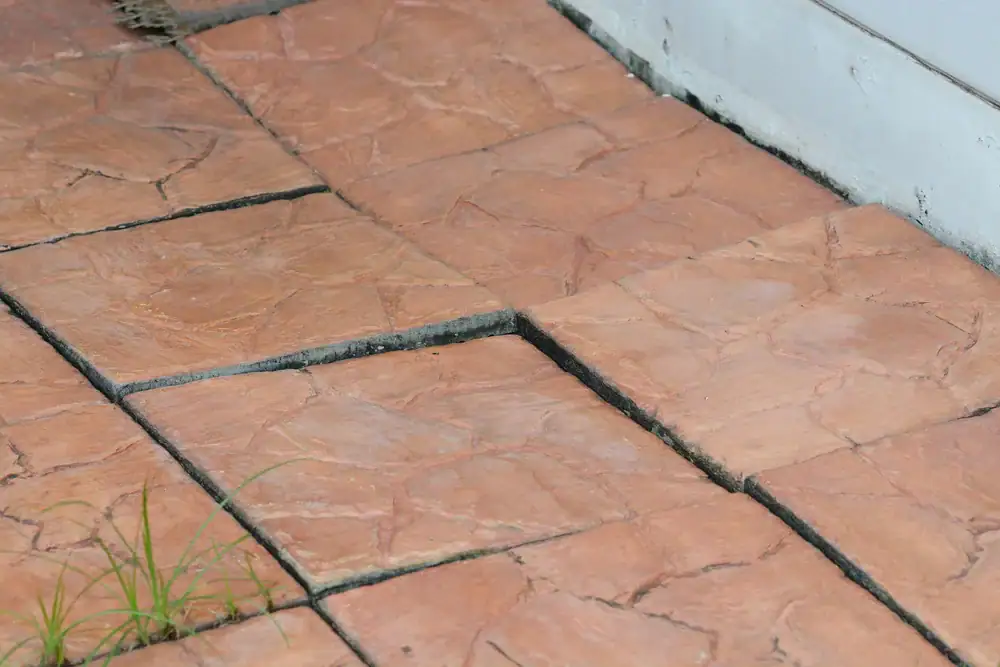
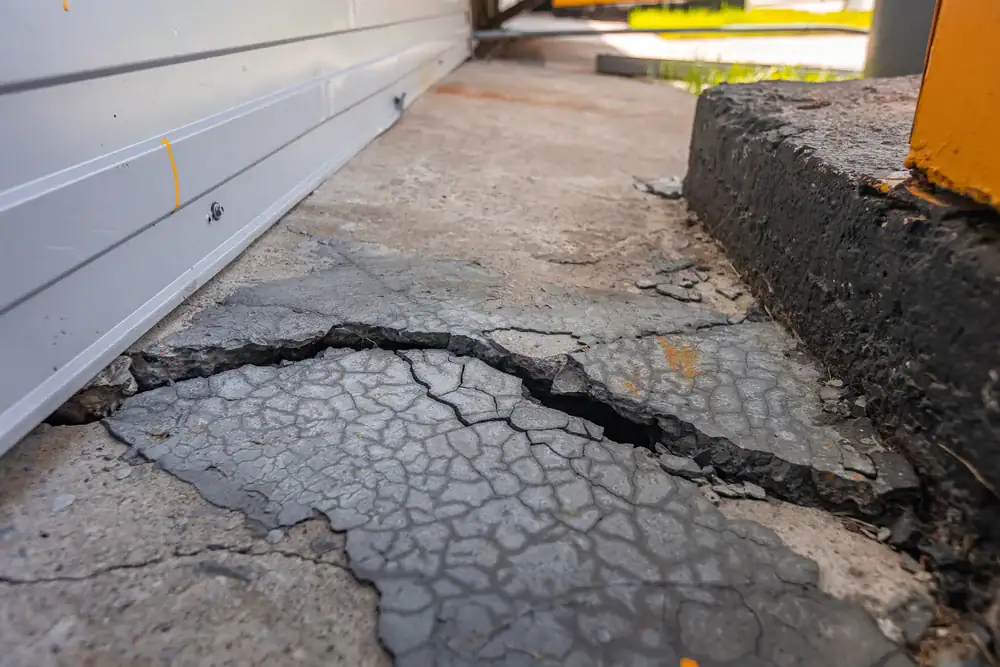
First, we inspect the crack. Not all foundation cracks are the same. Vertical cracks typically result from concrete curing or minor settlement. Horizontal cracks or stair-step patterns in block foundations signal more serious structural movement. The crack’s location, width, and pattern tell us what’s causing it.
Next, we determine if the crack is active or dormant. Active cracks are still moving—they’re getting wider or longer. Dormant cracks have stabilized. This affects the repair approach and whether additional structural reinforcement is needed.
For the actual repair, we use either polyurethane or epoxy injection for interior repairs, or excavation and exterior waterproofing membrane for outside repairs. Polyurethane foam expands to fill the entire crack and remains flexible. Epoxy creates a rigid bond stronger than the surrounding concrete. Exterior repairs involve digging down to the foundation wall, cleaning it, and applying a waterproof barrier.
The method depends on whether the crack is leaking, whether it’s structural, and what’s causing it. We’re not using the same approach for every crack because every crack isn’t the same problem.
After the repair, we clean up and explain what to monitor going forward. Most repairs come with a warranty covering both materials and labor.
Ready to get started?
You get a full inspection of the crack and surrounding foundation. We’re looking at the crack itself, but also at what’s happening with your foundation walls, floor, and the soil conditions outside.
The repair includes crack preparation—cleaning out any debris, old sealant, or loose concrete. Then comes the injection or excavation work, depending on the repair type. For injection repairs, we drill injection ports, inject the repair material under pressure, and ensure it fills the entire crack depth. For exterior foundation crack repair in Bala Cynwyd, PA, we excavate to expose the crack, apply waterproof membrane, and backfill properly.
Bala Cynwyd homes often have foundation walls that are partially below grade with specific drainage patterns. We account for how water moves around your property. If your downspouts are dumping water right next to your foundation or if your yard slopes toward your house, we’ll point that out. Those issues contribute to foundation cracks and need addressing to prevent future problems.
You also get a written warranty that covers the repair. The specifics depend on the repair type, but it protects you if the crack reopens or leaks after we’ve completed the work.
Width and pattern matter most. Hairline cracks under 1/16 inch are usually cosmetic—they’re from concrete shrinkage during curing. Cracks wider than 1/4 inch need professional evaluation.
Horizontal cracks are more concerning than vertical ones. A horizontal crack in a poured concrete or block foundation wall indicates soil pressure pushing against the wall. Stair-step cracks in block or brick foundations follow the mortar joints and signal foundation settlement or movement.
If the crack is leaking water, it’s not just cosmetic anymore—even if it’s narrow. Water intrusion leads to mold, efflorescence, and further concrete deterioration. If you can see daylight through the crack from your basement, or if the wall is bowing inward, that’s a structural issue requiring immediate attention.
Soil conditions and home age are the primary factors. Bala Cynwyd sits on clay-heavy soil that expands when wet and contracts when dry. This cycle creates pressure against foundation walls and causes settlement as the soil shifts.
Many homes in Bala Cynwyd were built between the 1920s and 1960s. Older construction methods and materials don’t always hold up the same way modern foundations do. Natural settling over decades creates cracks, especially in homes built on sloped lots where water runoff adds pressure.
Poor drainage makes everything worse. If your gutters overflow or downspouts discharge too close to your foundation, water saturates the soil around your basement walls. That water creates hydrostatic pressure—basically, water pushing against your foundation from outside. Eventually, something gives, and a crack forms.
Tree roots also contribute. Mature trees pull moisture from soil, causing it to contract and shift. When the soil moves, your foundation moves with it.
It depends on the crack type and what’s causing it. Interior injection repairs work well for poured concrete walls with non-structural cracks. We inject polyurethane or epoxy directly into the crack from inside your basement. This method is less invasive, costs less, and handles most water intrusion issues effectively.
Exterior foundation crack repair in Bala Cynwyd, PA makes sense when the crack is structural, when there’s significant wall movement, or when interior access is blocked by finished walls. Excavating from outside lets us see the full extent of the damage, apply waterproof membrane directly to the foundation wall, and address drainage issues at the same time.
Block foundations sometimes need exterior repair because the blocks are hollow. Injecting from inside doesn’t always seal the exterior face where water enters. Horizontal cracks or bowing walls almost always require exterior work because they indicate structural failure that needs reinforcement, not just sealing.
The honest answer is that some cracks can be fixed either way. We’ll tell you which method makes sense for your specific situation and why.
A properly executed repair should last as long as your foundation—assuming the underlying cause gets addressed. If the crack formed because of hydrostatic pressure and we repair the crack but don’t fix the drainage problem, you’ll likely get another crack somewhere else.
Polyurethane and epoxy injection repairs are permanent when done correctly. The materials bond to concrete and don’t degrade over time. Exterior waterproof membranes last decades when applied properly to clean, prepared foundation walls.
What fails are repairs that don’t account for ongoing movement. If your foundation is still settling or if soil pressure continues pushing against your wall, the repair might hold but the wall could crack in a new location. That’s why the inspection matters—we need to know if the crack is still active or if the movement has stopped.
Most professional foundation crack repair contractors in Bala Cynwyd, PA offer warranties ranging from several years to lifetime coverage. The warranty length often reflects the contractor’s confidence in their work. We warranty our repairs because we’re addressing the cause, not just covering the symptom.
Water damage gets worse, not better. A leaking basement wall repair that gets delayed means more water entering your basement with every rain. That water brings mold spores, creates humidity, and saturates anything stored near the wall.
The crack itself will likely widen over time. Water freezes in winter, and ice expansion makes cracks bigger. Soil continues shifting, and pressure continues building. A crack that’s 1/8 inch today might be 1/4 inch next year.
Structural damage becomes more expensive to fix. A simple crack repair might cost a few hundred dollars now. If you wait and the wall starts bowing or the foundation settles significantly, you’re looking at wall stabilization systems, helical piers, or even partial foundation replacement. Those repairs run into thousands of dollars.
Your home’s value takes a hit. Foundation issues scare buyers. Even if you disclose a repaired crack, that’s better than disclosing an active, unrepaired foundation problem. Most home inspectors flag foundation cracks, and most buyers either walk away or demand significant price reductions.
Most straightforward crack repairs range from $400 to $1,500 per crack, depending on length, location, and repair method. Interior injection repairs typically cost less than exterior excavation repairs because there’s less labor involved.
Multiple cracks, structural repairs, or cracks requiring wall stabilization cost more—sometimes significantly more. If your foundation wall is bowing and needs carbon fiber reinforcement or steel I-beams in addition to crack repair, you’re looking at several thousand dollars.
The crack’s accessibility affects cost too. A crack in an unfinished basement is easier to access than one behind finished drywall. Exterior repairs require excavation, which means equipment, labor, and site restoration.
Get a detailed written estimate that breaks down what’s included. Some contractors quote just the crack injection. Others include waterproofing membrane, drainage improvements, or warranty coverage in their price. You’re comparing apples to oranges if you don’t know what each estimate covers.
The cheapest option isn’t always the best value. A $300 repair that fails in two years costs more than an $800 repair that lasts decades. Ask about the repair method, materials used, and warranty terms before deciding based on price alone.
Other Services we provide in Bala Cynwyd