Hear from Our Customers
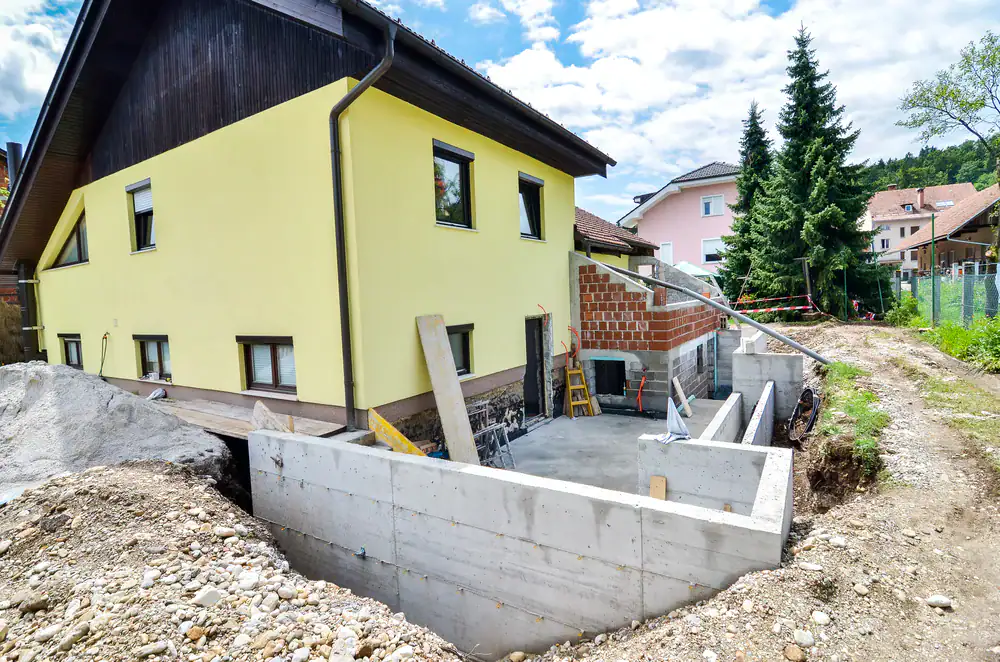
You stop wondering if that crack is getting worse. You stop checking it after every storm. The musty smell goes away because water isn’t seeping through anymore.
Your basement becomes usable space again. Not just a place you avoid or worry about. You can store things down there without wondering if they’ll get ruined. You can finish it someday if you want to, because the foundation is actually solid.
And when it’s time to sell, you’re not scrambling to patch things up or watching buyers walk away after the inspection. You’ve got documentation, a transferable lifetime warranty, and a foundation that’s been properly repaired by people who know what they’re doing.
Del Val Basement Waterproofing started as a small concrete company in Chester County. Over 35 years later, we’re still family-owned, and we’re still showing up to fix foundations the right way.
We know Charlestown’s soil. The clay around here holds water like a sponge, and when temperatures swing from freezing to thawing, that pressure against your foundation isn’t theoretical—it’s constant. We’ve seen what happens to foundations in this area when they’re ignored, and we’ve fixed hundreds of them.
You’re not getting a national franchise or a crew that’s never worked in Pennsylvania. You’re getting people who live here, who understand the local conditions, and who’ll be around if you ever need us again.
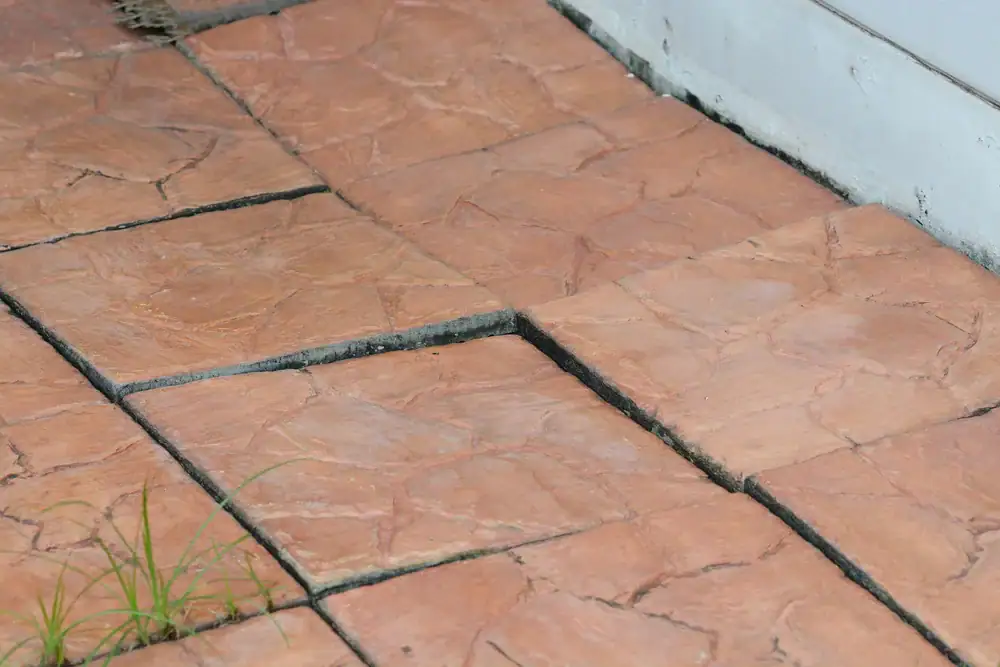
We start with a free inspection. Not a sales pitch—an actual look at what’s going on. We’ll tell you what type of crack you’re dealing with, whether it’s structural or cosmetic, and what needs to happen to fix it permanently.
If it’s a vertical crack from normal settling, the repair is usually straightforward. We inject polyurethane or epoxy that bonds with the concrete and creates a watertight seal stronger than the surrounding wall. For horizontal cracks or bowing walls, we’re looking at carbon fiber reinforcement—material that’s ten times stronger than steel and stops the wall from moving further.
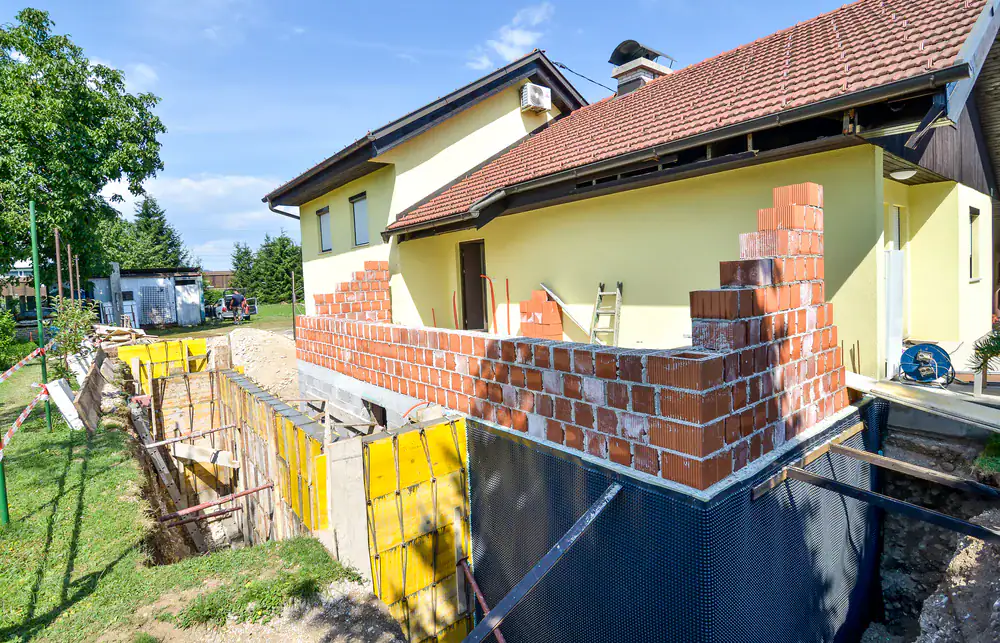
Exterior foundation crack repair in Charlestown, PA means we excavate down to the footing, seal the crack from the outside, and apply a waterproof membrane before backfilling. It’s more involved, but sometimes it’s the right move depending on where the water’s coming from.
You’ll know the cost upfront. The timeline upfront. What we’re doing and why. And when we’re done, you get a lifetime transferable warranty on the work.
Ready to get started?
You get a foundation crack repair contractor in Charlestown, PA who actually diagnoses the problem before throwing a solution at it. We’re looking at crack width, location, direction, and what’s causing it. Settlement cracks get treated differently than pressure cracks. Leaking basement wall repair in Charlestown, PA requires understanding where the water table sits and how drainage is working around your property.
The repair itself is permanent. We’re not caulking over it or slapping on hydraulic cement that’ll crack again in two years. Polyurethane injection for active leaks. Epoxy injection for structural repairs. Carbon fiber strapping when walls are bowing. Exterior waterproofing membranes when the problem needs to be addressed from outside.
Charlestown sits in an area where spring rains and summer storms dump serious water. The clay soil here doesn’t drain well, so hydrostatic pressure against foundations is a constant issue. We account for that. The solutions we use are designed for this exact environment, not just copied from a manual.
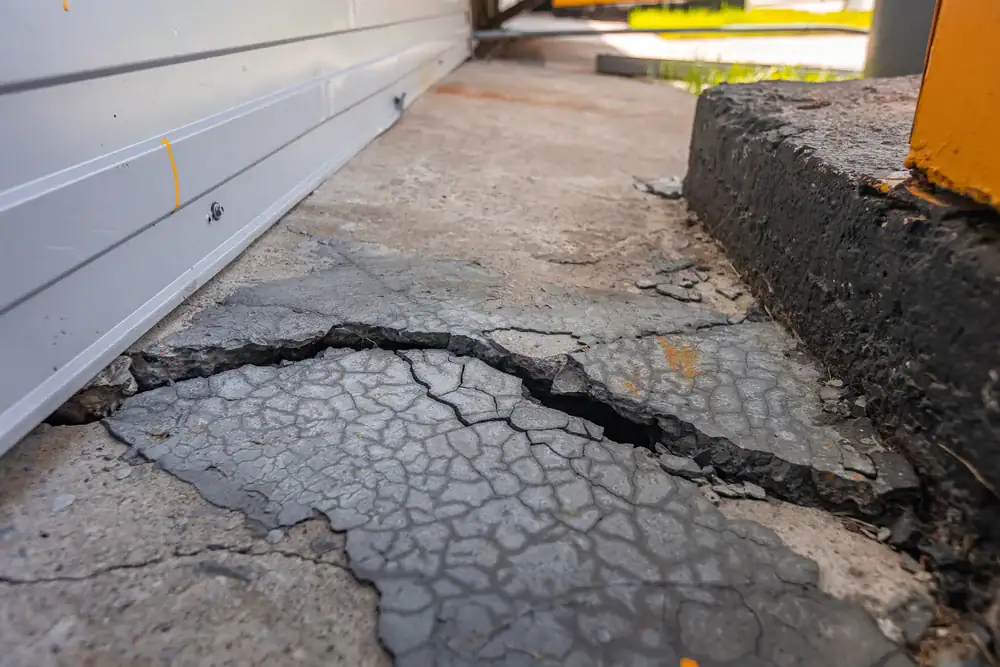
Width and direction tell you most of what you need to know. Hairline cracks under 1/16 inch that run vertically are usually from normal settling and aren’t structural emergencies. They can still let water in, so they’re worth sealing, but your house isn’t about to collapse.
Horizontal cracks or cracks wider than 1/4 inch are a different story. Horizontal cracks mean pressure is pushing against the wall, usually from soil and water on the other side. Stair-step cracks in block foundations mean the same thing. If the crack is growing, if you can see daylight through it, or if water comes through when it rains, don’t wait.
The only way to know for sure is to have someone look at it who’s seen a few hundred foundation cracks. We’ll tell you if it needs immediate attention or if it’s something you can monitor. No charge for the inspection.
Clay soil and freeze-thaw cycles. Charlestown sits on clay-heavy soil that expands when it gets wet and contracts when it dries. That constant movement puts pressure on your foundation walls. Add in Pennsylvania winters where water in the soil freezes and expands, then thaws and shifts, and you’ve got a recipe for cracks.
A lot of homes in this area are older, built before modern waterproofing standards. The foundations were poured without proper drainage systems, so water sits against the walls instead of being directed away. Over decades, that takes a toll.
Poor grading around the house makes it worse. If your yard slopes toward the foundation instead of away from it, every rainstorm sends water straight to your basement walls. Gutters that dump water right next to the foundation do the same thing. These aren’t things you caused—they’re just realities of older properties in this region.
When it’s done right, it lasts as long as your foundation does. We back our work with a lifetime transferable warranty because we’re using materials and methods that are designed to be permanent.
Polyurethane and epoxy injections create a bond that’s stronger than the concrete itself. Carbon fiber reinforcement doesn’t rust, doesn’t corrode, and doesn’t degrade over time. These aren’t temporary fixes that’ll need to be redone in five years.
The repairs fail when the underlying problem isn’t addressed. If water is still pooling against your foundation because drainage is terrible, pressure will find a new weak spot eventually. That’s why we look at the whole picture during the inspection—not just the crack itself, but what’s causing it. Fix the crack and the cause, and you’re done worrying about it.
You can, but it won’t hold. Hydraulic cement and crack sealers from the hardware store are surface treatments. They might stop a small leak temporarily, but they don’t address what’s happening inside the crack or behind the wall.
Water will find its way around a surface patch. Pressure will push it off. And if the crack is structural, a cosmetic fix does nothing to stop the wall from moving further.
Professional injection methods fill the entire crack from the inside out. We’re drilling into the crack and injecting material under pressure so it penetrates deep and bonds with the concrete. That creates a watertight, structural repair that actually holds. It’s not something you can replicate with a caulk gun and a trowel. If the crack is minor and you’re just trying to prevent a small drip, sure, try a DIY fix. But if it’s leaking during storms or getting wider, call someone who can fix it properly the first time.
It depends on the crack type, location, and how many you’re dealing with. A single vertical crack repaired with epoxy or polyurethane injection usually runs between $400 and $800. Multiple cracks or longer cracks cost more. Horizontal cracks that need carbon fiber reinforcement can run $1,500 to $3,000 depending on the wall length.
Exterior foundation crack repair in Charlestown, PA costs more because we’re excavating, which means equipment and labor. Expect $2,000 to $5,000 depending on depth and access. If drainage work is needed at the same time, that adds to it.
We give you a firm price after the free inspection. No surprises, no upselling once we’re halfway through the job. And we offer financing if the cost is more than you want to pay all at once. The real cost is what happens if you don’t fix it—water damage, mold remediation, and structural repairs that run into the tens of thousands. Fixing a crack now is always cheaper than fixing the mess it creates later.
If the cracks are where the water’s coming in, yes. But basements leak for a lot of reasons, and cracks are just one of them. Water can come through the floor, through the cove joint where the wall meets the floor, or through porous concrete even without visible cracks.
We’ll identify every entry point during the inspection. If it’s just the cracks, sealing them solves it. If water is also coming from other areas, we’ll tell you what else needs to happen. Sometimes that means interior drainage, sometimes exterior waterproofing, sometimes both.
Leaking basement wall repair in Charlestown, PA isn’t one-size-fits-all. The clay soil and high water table here mean some properties need more comprehensive solutions than others. We’re not going to sell you a full waterproofing system if all you need is crack repair, and we’re not going to patch cracks and leave if there’s a bigger issue. You’ll know exactly what’s needed and why.
Other Services we provide in Charlestown