
Hear from Our Customers
You’re not looking at a small crack in your basement wall because you enjoy home maintenance. You’re looking at it because you know what happens when water finds a way in.
It starts small. A damp spot after heavy rain. A musty smell you can’t quite place. Then one day you’re moving boxes and there’s a puddle, or worse, you see the crack has grown. That’s when most people call.
Here’s what changes after a proper foundation crack repair in Glenside, PA. The seepage stops. The humidity drops. You can actually use your basement for storage without worrying about ruined belongings. Your foundation stops shifting, which means the problem doesn’t get worse every time it rains or the ground freezes. You’re not wondering what’s happening behind your walls anymore.
We work throughout Glenside and the surrounding areas. We’ve seen what the clay-heavy soil does to foundations here, especially in older homes where the original construction wasn’t designed for the kind of water pressure we get during spring thaw or after a heavy storm.
The homes in Glenside sit on dense, slow-draining soil. When water saturates that clay, it expands and pushes against your foundation walls. When it dries out, it contracts and leaves gaps. That cycle creates stress, and stress creates cracks.
We don’t just patch the visible damage. We identify why the crack formed, where the water’s coming from, and what needs to happen to stop it permanently. That’s how you avoid paying for the same repair twice.
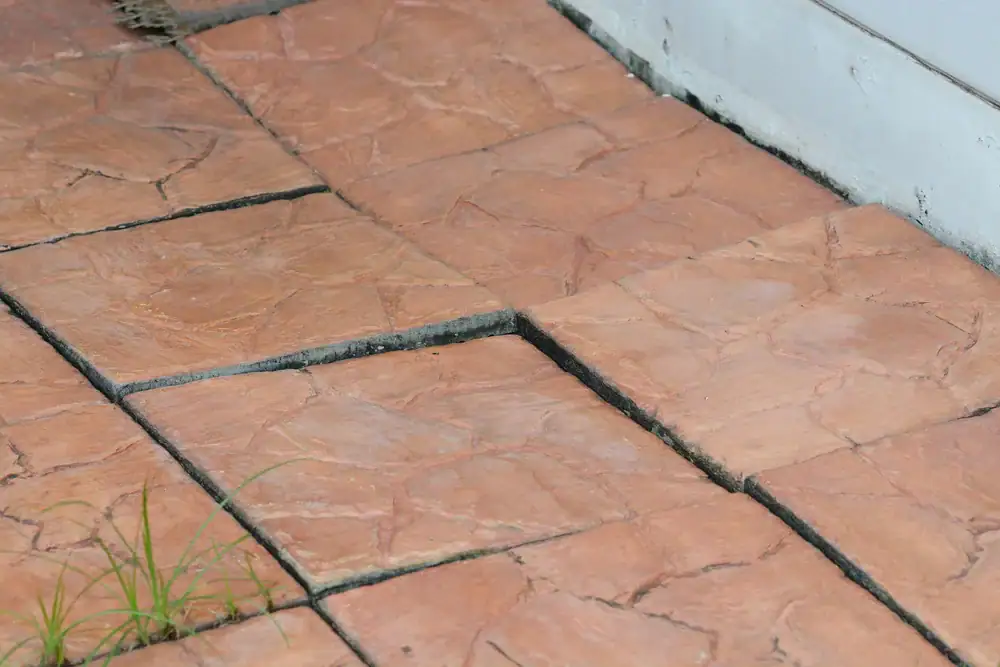
First, we inspect the crack. Not all cracks are the same. Vertical cracks usually mean settling. Horizontal cracks mean pressure from outside. Stair-step cracks in block walls mean movement. We need to know what caused it before we fix it.
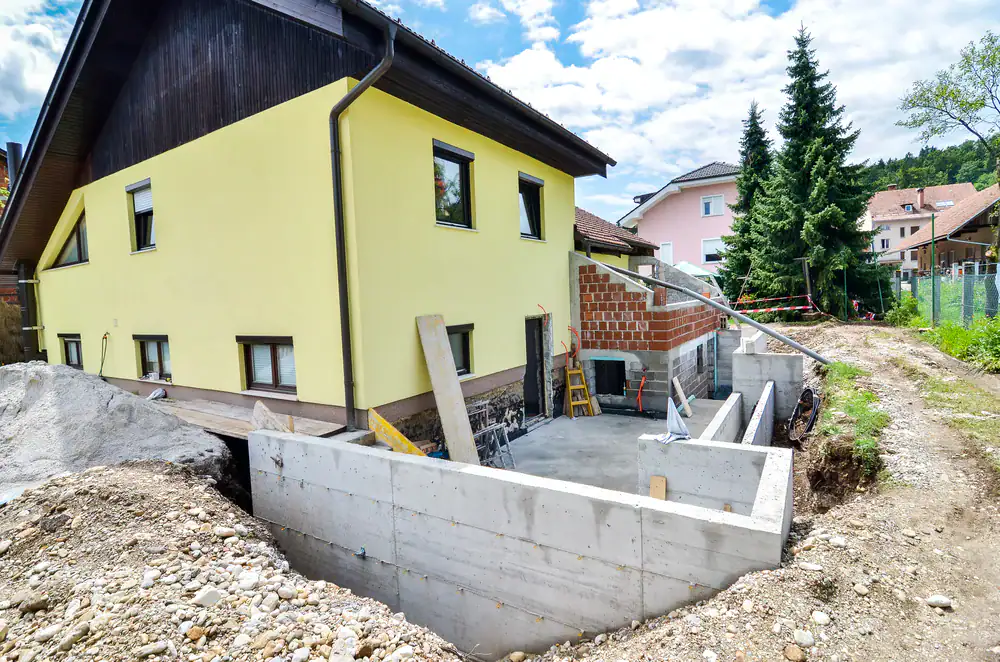
Next, we determine whether the repair needs to happen from the inside, the outside, or both. Exterior foundation crack repair in Glenside, PA is the most effective option when accessible, because it stops water before it ever reaches your basement. We excavate down to the foundation, clean and prep the crack, then inject it with flexible polyurethane that expands to fill the entire void. It doesn’t harden into a rigid seal that’ll crack again when your foundation moves. It stays flexible.
If exterior access isn’t possible, we use interior injection methods. Same material, same goal: complete penetration and a watertight seal. After the injection, we apply waterproof coatings and install drainage where needed to manage water before it becomes pressure. Then we backfill, compact, and restore the area. You’re left with a repair that holds, a basement that’s dry, and a foundation that’s stable.
Ready to get started?
A professional foundation crack repair solution in Glenside, PA includes more than just filling the crack. You get a full inspection to identify all problem areas, not just the one you called about. You get an honest assessment of whether the crack is structural or cosmetic, and what that means for your home’s safety.
The repair itself uses expanding polyurethane injection, which is the most reliable method for basement foundation crack repair in Glenside, PA. It penetrates completely, bonds to concrete, and flexes with normal foundation movement. We don’t use rigid fillers that shrink or lose adhesion over time.
If your foundation needs reinforcement, we’ll tell you. Bowing walls, repeated cracking, or horizontal movement may require steel I-beams, wall anchors, or carbon fiber straps. Glenside’s freeze-thaw cycles are tough on foundations, and some homes need more than a crack seal to stay stable. We also address drainage issues that contribute to leaking basement wall repair in Glenside, PA, because fixing the crack without managing the water is a temporary solution at best. You’ll get a lifetime transferable warranty on the waterproofing work, which means the repair is covered as long as you own the home, and it transfers if you sell.
Most homeowners spend between $2,200 and $8,100 for foundation crack repair in Glenside, PA, depending on the severity, location, and number of cracks. Minor crack sealing typically runs $300 to $800 if caught early. Larger structural repairs with reinforcement or exterior excavation cost more, but they also prevent much bigger problems down the road.
The price depends on whether we’re doing interior or exterior foundation crack repair in Glenside, PA, how accessible the foundation is, and whether you need drainage improvements or wall stabilization. We give you a clear estimate after the inspection so you know exactly what you’re paying for and why. There’s no reason to guess at this.
It can, but exterior foundation crack repair in Glenside, PA is more effective when possible. Sealing from the inside stops water from entering your basement, but it doesn’t stop water from sitting against your foundation and creating pressure. Over time, that pressure finds new weak points.
When we repair from the outside, we’re stopping the water before it ever reaches the crack. We excavate, inject the crack with polyurethane, apply waterproof coatings, and install drainage to redirect water away from the foundation. That’s a more complete fix.
Interior repairs work well when exterior access isn’t an option—like when the crack is under a driveway or deck. We use the same injection material, and it’s still a permanent seal. But if we can get to it from the outside, that’s the better move for long-term protection.
Glenside sits on clay-rich soil that expands when wet and contracts when dry. That expansion and contraction cycle puts constant stress on your foundation. Add in freeze-thaw cycles during winter, and you’ve got soil that’s shifting, heaving, and pushing against your walls several times a year.
Older homes are especially vulnerable because construction methods from decades ago didn’t account for the kind of water management we know is necessary today. Poor drainage, downspouts that dump water too close to the foundation, and grading that slopes toward the house all make the problem worse.
Vertical cracks usually mean the foundation settled unevenly. Horizontal cracks mean hydrostatic pressure from saturated soil pushing inward. Stair-step cracks in block walls mean the wall is shifting. Each type of crack tells us something different about what’s happening underground, and that’s why a proper inspection matters before any repair starts.
A professional foundation crack repair in Glenside, PA using polyurethane injection is permanent when done correctly. The material we use doesn’t shrink, doesn’t harden into a brittle seal, and doesn’t lose its bond with the concrete. It stays flexible, so it moves with your foundation instead of cracking again.
That’s the difference between a real repair and a temporary patch. Hydraulic cement, caulk, and epoxy fillers might hold for a season or two, but they’re rigid. When your foundation shifts—and it will, because that’s what foundations do—the seal breaks and water comes back.
We back our work with a lifetime transferable warranty on waterproofing repairs. That means if the repair fails, we come back and fix it. But with proper installation and drainage management, you shouldn’t need us to. The repair holds because it’s designed to handle the conditions that caused the crack in the first place.
You can try, but it probably won’t hold. DIY crack repair kits use materials that aren’t designed for the kind of movement and pressure that foundations deal with in Glenside, PA. Caulk shrinks. Hydraulic cement is too rigid. Epoxy doesn’t penetrate deep enough to seal the entire crack, so water still finds a way through.
The bigger issue is that you can’t see what’s happening behind the wall. A crack you can see from inside your basement might run all the way through the foundation to the exterior. If you only seal the interior surface, water is still getting into the wall—it’s just not making it all the way into your basement yet. That’s not a fix, it’s a delay.
Professional basement foundation crack repair in Glenside, PA involves injection equipment that forces polyurethane through the entire crack under pressure, filling every void from the inside surface to the outside soil. That’s not something you can replicate with a caulk gun. If the crack is small and non-structural, a DIY patch might buy you some time. But if you’re seeing water, or if the crack is growing, call someone who can actually fix it.
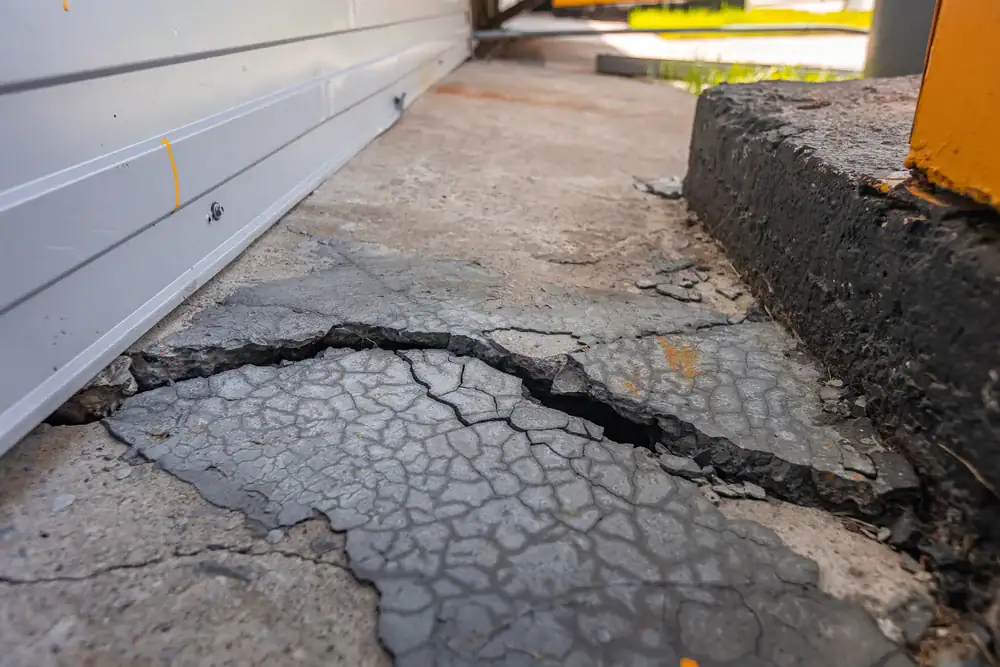
The crack gets bigger. Water gets in. Your basement stays damp, which leads to mold, rot, and damage to anything you’re storing down there. The structural integrity of your foundation weakens, which can lead to bowing walls, uneven floors, and doors or windows that won’t close properly.
Glenside’s clay soil and freeze-thaw cycles don’t get easier on your foundation over time. Every winter, water seeps into the crack, freezes, expands, and makes the crack wider. Every spring thaw saturates the soil and increases the pressure against your walls. The problem compounds.
Ignoring a foundation crack doesn’t make it go away. It makes it more expensive. A $500 crack repair today can turn into a $5,000+ structural repair in a few years if the wall starts bowing or the footing shifts. And if you’re planning to sell, a visible foundation crack is a red flag during inspections. Buyers will either walk away or demand a price reduction that’s far more than the cost of fixing it now.
Other Services we provide in Glenside