
Hear from Our Customers
You stop wondering if that crack is getting worse. You stop worrying about water seeping through your basement wall during the next heavy rain. You stop calculating how much it’ll cost if you wait another year.
Here’s what changes: your foundation stays stable, your basement stays dry, and your home value doesn’t take a hit because of an unaddressed structural issue. Lower Moreland sits on clay-heavy soil that expands when wet and contracts when dry—it’s constantly moving. That movement creates pressure on your foundation, and those hairline cracks you’re seeing now can turn into serious problems fast.
The difference between a $500 repair today and a $12,000 emergency next year often comes down to timing. Catching foundation cracks early means you’re dealing with a fixable issue, not a structural crisis. You get a permanent solution, a transferable warranty, and the peace of mind that comes from knowing it’s handled correctly.
We’re a family-run company with over 15 years of experience in residential foundation crack repair. We’ve worked with hundreds of homeowners across Lower Moreland and the greater Philadelphia area, and we understand exactly what Pennsylvania’s clay soil and freeze-thaw cycles do to your foundation.
We’re not the company that shows up, quotes you a number, and disappears. We walk you through what’s happening, why it’s happening, and what needs to be done to fix it permanently. Every job comes with a lifetime transferable warranty because we stand behind our work—not just for you, but for whoever buys your home down the road.
You’ll work with people who live in this area, understand the local soil conditions, and have seen every type of foundation issue Lower Moreland homes face. That’s the advantage of working with a local contractor who’s been doing this for nearly two decades.
First, we inspect your foundation—inside and out—to figure out what’s causing the crack. Not all cracks are the same. Some are cosmetic. Others signal a bigger problem with soil pressure, drainage, or settling. You need to know which one you’re dealing with before you spend a dime.
Once we identify the issue, we explain what needs to happen and why. If it’s a straightforward cracked foundation repair, we use proven methods like epoxy or polyurethane injection to seal the crack from the inside out. If there’s an exterior issue—like water pressure pushing against your foundation—we address that too, so the problem doesn’t come back.
The repair itself is minimally invasive. You don’t need to move out. We don’t tear apart your yard unless it’s absolutely necessary. Most homeowners are surprised by how clean and efficient the process is. And when we’re done, you get documentation, a warranty, and a foundation that’s structurally sound again.
Ready to get started?
You get a free inspection and estimate—no pressure, no gimmicks. We assess the crack, check for water intrusion, and look at the surrounding soil and drainage. If your gutters are dumping water right next to your foundation, that matters. If your downspouts aren’t extended far enough, that matters too.
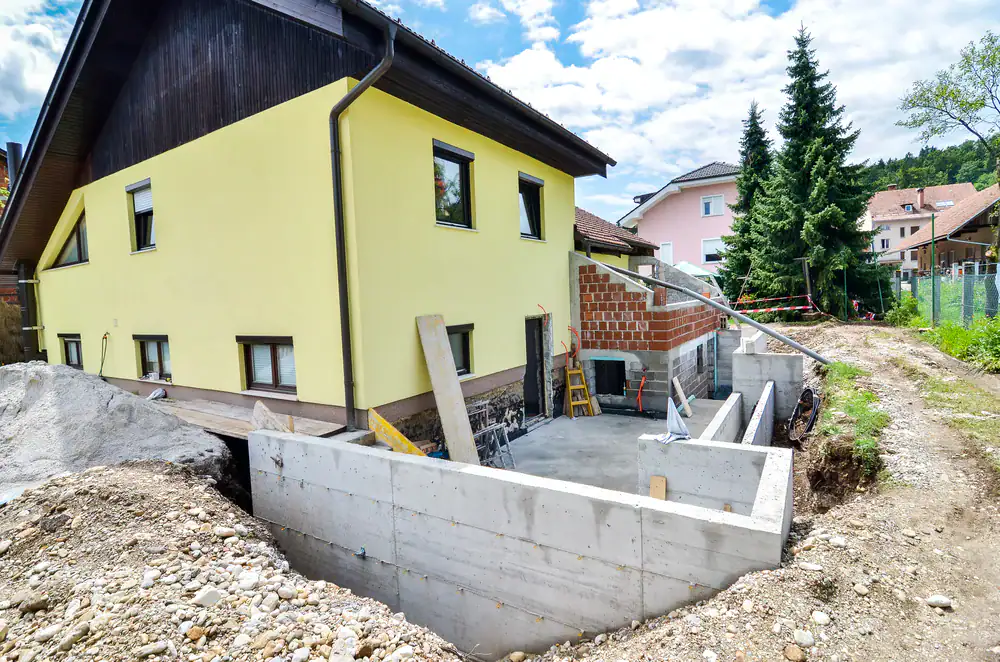
The repair itself depends on the crack type and location. Interior cracks often get sealed with epoxy or polyurethane injection, which stops water and stabilizes the structure. Exterior foundation crack repair involves excavation and waterproofing membranes if needed. Leaking basement wall repair includes sealing the crack and addressing the water source so it doesn’t happen again.
Lower Moreland’s clay soil creates unique challenges. It holds water, swells, and puts constant pressure on your foundation. That’s why we don’t just patch cracks—we look at drainage, grading, and soil conditions to make sure the repair lasts. You also get a lifetime transferable warranty, which protects your investment and adds value if you ever sell your home.
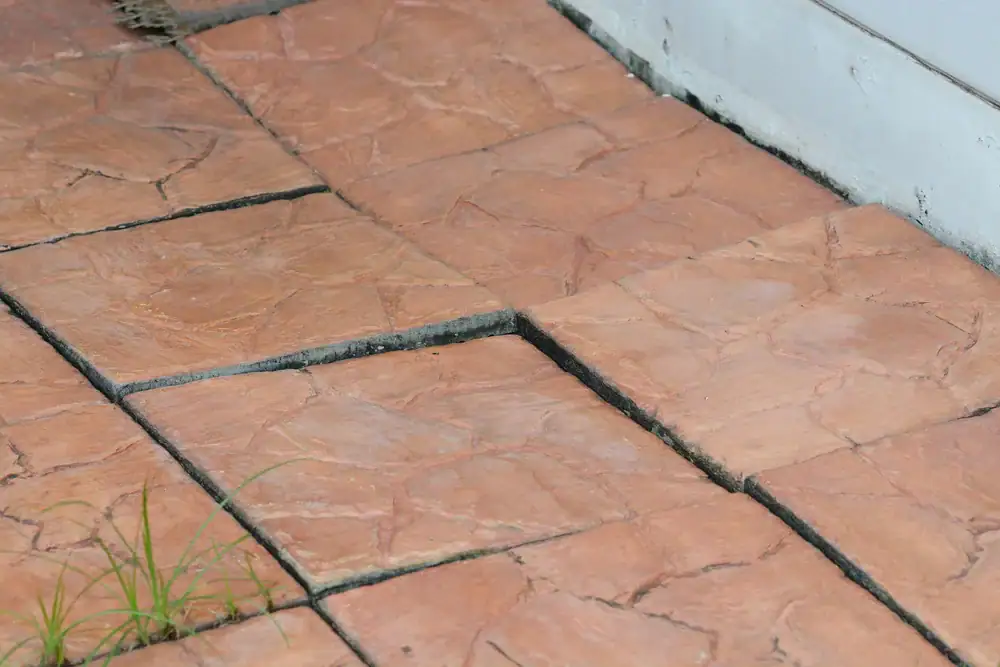
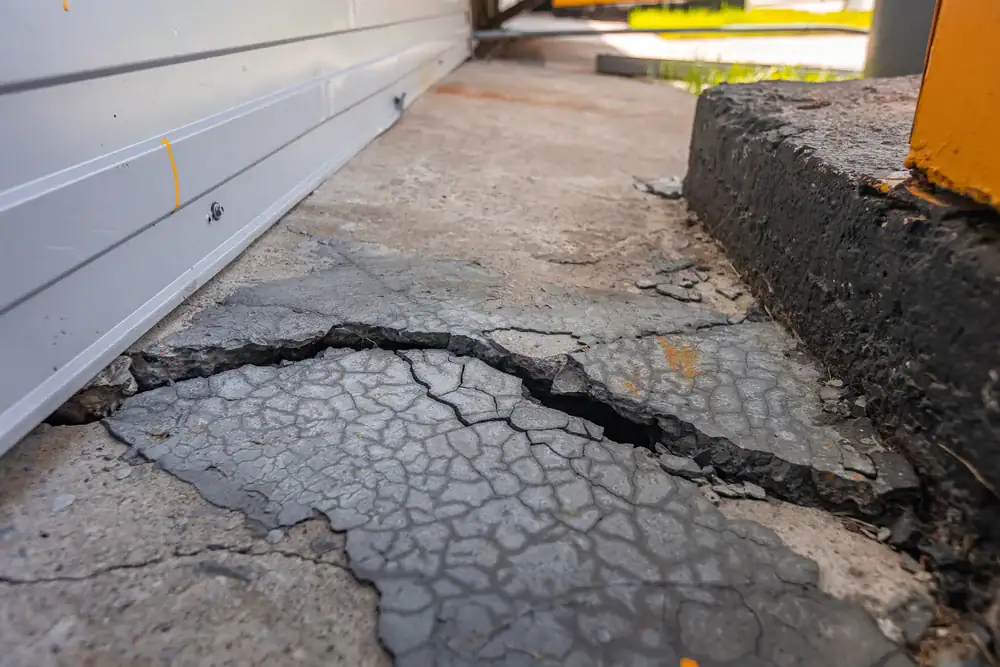
Width and location tell you most of what you need to know. Hairline cracks—less than 1/8 inch wide—are usually cosmetic, especially if they’re vertical and not leaking. Horizontal cracks, stair-step cracks in block foundations, or anything wider than 1/4 inch is a red flag. Those often mean there’s pressure from soil movement or water, and they need professional attention.
If the crack is leaking, it’s serious. Water intrusion means the crack goes all the way through your foundation wall, and it’s only going to get worse with every rainstorm. Lower Moreland gets over 40 inches of rain a year, so even a small leak can turn into a major water problem fast.
When in doubt, get it inspected. A free inspection takes 30 minutes and gives you a clear answer. Waiting to see if it gets worse is how a $500 repair turns into a $10,000 problem.
Clay soil. Lower Moreland sits on clay-heavy ground that expands when it absorbs water and shrinks when it dries out. That constant movement puts pressure on your foundation, and over time, cracks form. It’s not a question of if—it’s a question of when.
Freeze-thaw cycles make it worse. Water gets into small cracks, freezes, expands, and makes the crack bigger. Pennsylvania winters are tough on foundations, especially older homes that weren’t built with modern waterproofing techniques. Poor drainage accelerates the process—if your gutters overflow or your downspouts dump water next to your foundation, you’re basically asking for trouble.
The good news is that once you understand what’s causing the crack, you can fix it permanently. That means sealing the crack and addressing the drainage or soil issue so it doesn’t come back.
Most homeowners in Lower Moreland spend between $500 and $3,000 on foundation crack repair, depending on the size, location, and severity of the crack. A simple interior crack repair with epoxy injection usually runs $500 to $800. Exterior foundation crack repair costs more—typically $1,500 to $3,000—because it involves excavation and waterproofing.
Here’s the thing: waiting makes it more expensive. A hairline crack caught early is a quick fix. That same crack ignored for two years can widen, start leaking, and cause water damage to your basement. Now you’re looking at $10,000+ in repairs, plus the cost of fixing drywall, flooring, and mold remediation.
We offer free inspections and upfront estimates, so you know exactly what you’re dealing with before you commit to anything. No surprises, no hidden fees—just honest pricing based on what your foundation actually needs.
You can, but it won’t last. Caulk and concrete patch kits are surface fixes—they cover the crack but don’t address what’s happening behind the wall. If there’s water pressure or soil movement pushing against your foundation, that crack will reopen in a few months, and you’ll be back where you started.
Professional foundation crack repair uses epoxy or polyurethane injection, which fills the entire crack from the inside out and bonds to the concrete. It’s flexible enough to handle minor movement and strong enough to prevent water intrusion. It’s a permanent fix, not a temporary patch.
DIY repairs also void most warranties if you ever need professional work done later. If you’re planning to sell your home, buyers and inspectors will spot a DIY patch job, and it raises red flags. Doing it right the first time saves you money and headaches down the road.
Most interior foundation crack repairs take a few hours. We inspect the crack, prep the area, inject the epoxy or polyurethane, and clean up. You can stay in your home during the repair—it’s not invasive, and there’s no major disruption to your daily routine.
Exterior foundation crack repair takes longer, usually one to two days, because we need to excavate around the foundation, seal the crack from the outside, and apply a waterproofing membrane. Weather can affect the timeline, but we work efficiently to get the job done without dragging it out.
The key is that once it’s done, it’s done. You’re not dealing with temporary fixes or repeat visits. The repair is permanent, and it comes with a lifetime transferable warranty, so you’re covered for as long as you own the home.
Yes, if the crack is the source of the leak. Leaking basement wall repair involves sealing the crack completely so water can’t get through. We use polyurethane injection for active leaks because it expands on contact with water and creates a watertight seal. If the crack is dry, we use epoxy, which is stronger and bonds permanently to the concrete.
But here’s the catch: if water is coming in from multiple places—like through the floor, around the foundation footer, or from poor exterior drainage—you need more than just crack repair. That’s why we inspect the entire basement and foundation during the free estimate. We’ll tell you exactly where the water is coming from and what needs to be done to keep your basement dry.
Foundation crack repair is often the first step in a complete waterproofing solution. Fix the cracks, improve the drainage, and you’ve got a dry, stable basement that doesn’t flood every time it rains.
Other Services we provide in Lower Moreland