
Hear from Our Customers
Your basement stays dry when it rains. No more musty smell creeping up the stairs. No more wondering if that crack is getting worse or if you’re looking at a five-figure repair bill down the road.
When we repair foundation cracks in Lower Pottsgrove, PA, we’re stopping water at the source. That means no seepage through your basement walls, no mold growing in corners you can’t reach, and no hydrostatic pressure slowly bowing your foundation inward.
You also get structural stability back. Cracks don’t just let water in—they’re a sign your foundation is moving. Whether it’s from Lower Pottsgrove’s clay soil expanding and contracting or freeze-thaw cycles doing their damage, we stabilize what’s shifting and reinforce what’s cracked. The result is a foundation that holds, a basement that stays dry, and a home value that doesn’t tank because of deferred maintenance.
Del Val Basement Waterproofing is a family-owned company that specializes in residential foundation crack repair and waterproofing. We work in Lower Pottsgrove, PA and surrounding areas because we know the soil here—clay-heavy, prone to expansion, and unforgiving during winter.
We’re not the cheapest option, and that’s intentional. You’re paying for trained inspectors who know the difference between a cosmetic crack and a structural problem. You’re paying for lifetime transferable warranties that actually mean something. And you’re paying for repairs that last, not temporary patches that fail when the next storm rolls through.
We’ve seen what happens when foundation cracks get ignored in Lower Pottsgrove. Floors start sloping. Doors won’t close. Water shows up in basements that were dry for decades. We’d rather fix it right the first time than come back in two years to redo someone else’s work.
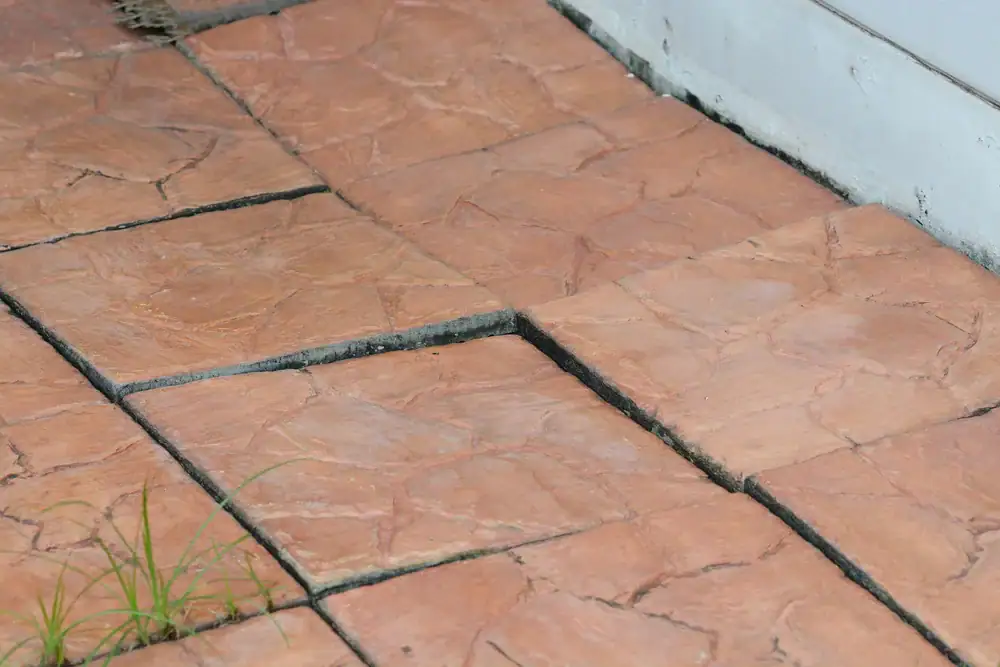
First, we inspect your foundation for free. We’re looking at crack width, location, whether there’s active water seepage, and if there’s any structural movement happening. You get a straight answer about what’s wrong and what it’ll take to fix it.
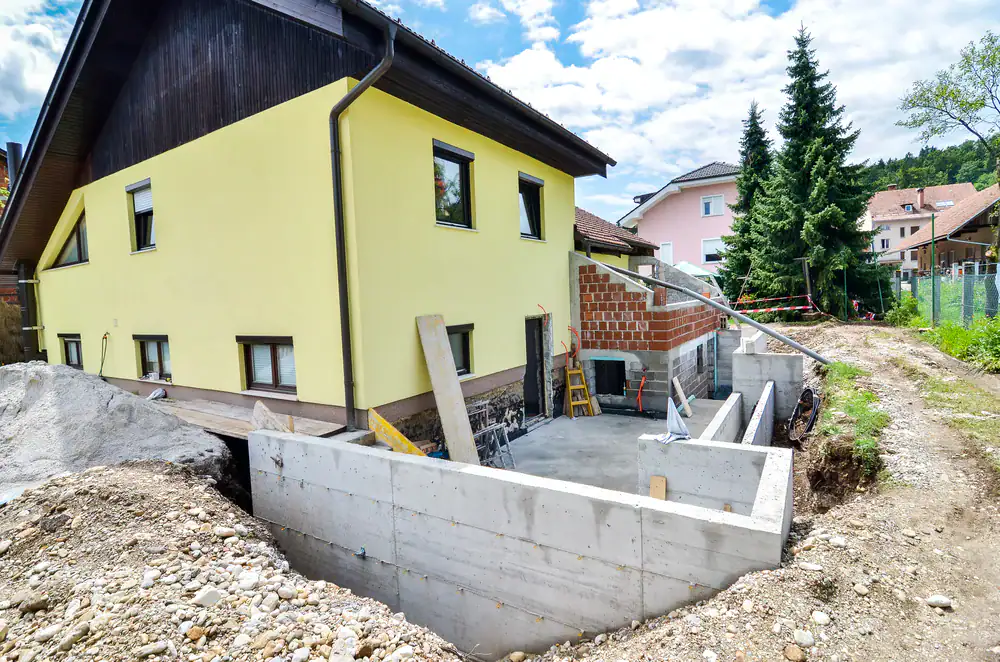
If it’s a leaking basement wall repair, we typically go exterior when possible. That means excavating down to the foundation, sealing the crack from the outside, and applying a waterproof membrane so water never reaches your basement wall in the first place. If exterior access isn’t an option, we seal from the inside using high-grade injection methods that stop water and reinforce the crack.
For cracks that signal structural issues—like bowing walls or settling—we stabilize first. That might mean installing steel I-beams, wall anchors, or carbon fiber reinforcement depending on what your foundation needs. Then we seal and waterproof.
Once the work’s done, you get a lifetime transferable warranty. If the repair fails, we come back and fix it. If you sell the house, the warranty transfers to the next owner. That’s how confident we are in the work.
Ready to get started?
You get a full inspection and diagnosis before any work starts. We’re not guessing—we’re identifying the cause, the extent of the damage, and the right repair method for your specific situation.
The repair itself includes crack sealing using professional-grade materials designed for Lower Pottsgrove’s soil and climate conditions. If we’re working exterior, that includes excavation, crack repair, waterproof membrane application, and proper backfill with drainage considerations. If we’re working interior, it’s injection-based sealing that bonds to the concrete and stops water permanently.
For homes in Lower Pottsgrove built in the 1960s and 1970s—which is a lot of them—we also check for related issues like poor drainage, outdated waterproofing, or soil erosion that’s contributing to foundation stress. About 30% of homes in the U.S. deal with some form of foundation issue, and in areas with clay soil and freeze-thaw cycles like ours, that number’s probably higher.
Every cracked foundation repair we complete comes with a lifetime transferable warranty. That’s not a marketing gimmick—it’s a binding commitment that the repair will hold.
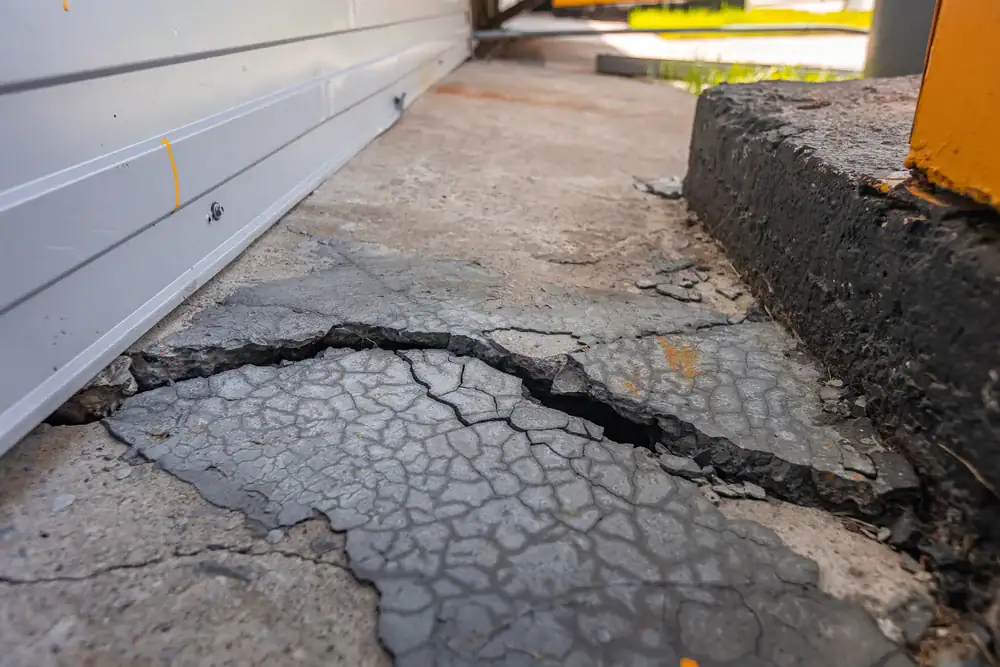
Width is the first indicator. Cracks wider than a quarter-inch are usually structural and need professional attention. Anything smaller might be cosmetic, but location matters too.
Horizontal cracks are almost always serious because they indicate your foundation wall is bowing inward from soil pressure. Vertical cracks can be less urgent, but if they’re leaking water or getting wider over time, they need repair. Stair-step cracks in block foundations are another red flag—they mean your foundation is settling unevenly.
If you’re seeing water seepage, mold growth, or musty smells in your basement, the crack is letting moisture in and it’s not cosmetic anymore. Same goes if your doors are sticking, floors are sloping, or windows won’t open smoothly. Those are signs the foundation is moving, and the crack is a symptom of a bigger problem.
Lower Pottsgrove sits on clay-heavy soil that expands when it absorbs water and contracts when it dries out. That constant movement puts pressure on your foundation from all sides, and over time, cracks form.
Freeze-thaw cycles make it worse. Water in the soil freezes during winter, expands by up to 9%, and pushes against your foundation walls. When it thaws, the soil contracts and your foundation settles. Do that every year for a few decades and you’re going to see cracks.
Homes built in the 1960s and 1970s—which is the median age in Lower Pottsgrove—are especially vulnerable because waterproofing standards weren’t what they are now. Add in poor drainage, clogged gutters, or grading that slopes toward your house, and you’re creating the perfect conditions for hydrostatic pressure to crack your foundation and push water into your basement.
If the repair addresses the cause and not just the symptom, yes, it can be permanent. That’s why we don’t just fill cracks and walk away—we figure out why the crack formed in the first place.
If it’s a settling issue, we stabilize the foundation first using methods like steel reinforcement or wall anchors. If it’s water pressure, we improve drainage and waterproof the exterior so hydrostatic pressure doesn’t keep building. Then we seal the crack using materials that bond to the concrete and flex slightly with normal foundation movement.
Cheap repairs fail because they only address the surface. The crack gets patched, but the soil pressure or water infiltration that caused it is still there, so it reopens or a new crack forms nearby. Our repairs come with a lifetime transferable warranty because we fix the root cause. If the crack comes back, we come back—and we don’t charge you again.
Exterior is better when it’s possible. Repairing from the outside means we’re stopping water before it ever reaches your basement wall. We excavate down to the foundation, seal the crack, and apply a waterproof membrane that keeps moisture out long-term.
Interior repairs are necessary when exterior access isn’t an option—like if you have a driveway, deck, or landscaping in the way. We use injection methods that fill the crack completely and bond to the concrete. It stops water and adds structural reinforcement, but it’s reactive rather than proactive.
The reality is that exterior foundation crack repair in Lower Pottsgrove, PA is the gold standard because it deals with the problem at the source. You’re not waiting for water to reach the crack and hoping the sealant holds—you’re blocking it outside where it belongs. That said, interior repairs done right are still effective and come with the same lifetime warranty.
It depends on the severity, location, and whether the foundation needs stabilization on top of crack sealing. Minor crack repairs might run a few hundred dollars. Extensive exterior waterproofing with structural reinforcement can reach several thousand.
Here’s what affects cost: crack length and width, whether it’s leaking, if there’s bowing or settling happening, accessibility for exterior work, and how much excavation is required. A single vertical crack that’s not leaking is cheaper to fix than multiple horizontal cracks with water seepage and a bowing wall.
The national foundation repair market is projected to hit $4.4 billion by 2035, and costs are rising as materials and labor get more expensive. Waiting doesn’t save you money—it costs you more because the damage spreads. A crack that’s $500 to fix today could be $5,000 in two years if it leads to structural failure or extensive water damage. We give free inspections and estimates so you know exactly what you’re dealing with before you commit to anything.
Yes, because it removes a major red flag for buyers and protects the structural integrity of your home. Foundation issues kill deals during home inspections. Even if the buyer doesn’t walk away, they’ll negotiate the price down or demand you fix it before closing.
A professionally repaired foundation with a lifetime transferable warranty is a selling point. It tells buyers the problem was handled correctly and they won’t inherit a money pit. In Lower Pottsgrove, where the median home value is around $290,000, protecting that investment matters.
Beyond resale value, foundation crack repair prevents the kind of damage that tanks your home’s worth—bowing walls, water damage, mold growth, and structural instability. Fixing a crack now costs a fraction of what you’d lose in value if the foundation fails. And if you’re not selling anytime soon, you still benefit from a dry basement, lower humidity, and a home that isn’t slowly falling apart underneath you.
Other Services we provide in Lower Pottsgrove