Hear from Our Customers
You stop worrying every time it rains. You stop wondering if that crack is going to turn into a bowed wall or a flooded basement. You protect your home’s value instead of watching it drop 10-15% because buyers see foundation issues and walk away.
Here’s what changes: no more damp basement smell, no more mold growing in corners you can’t reach, no more using a shop-vac at 2 AM during a storm. Your foundation stays stable. Your basement stays dry. Your investment stays protected.
The difference between a $500 repair today and a $15,000 emergency next year comes down to one thing: whether you act now or wait until the problem forces your hand. Schuylkill’s freeze-thaw cycles don’t take breaks, and neither does water pressure against your foundation walls.
Del Val Basement Waterproofing is a family-run company serving Schuylkill and the greater Philadelphia area for over 15 years. We’re not a national franchise that disappears after the check clears. We live here, work here, and stand behind every job with a lifetime transferable warranty.
We know what Schuylkill foundations deal with: clay soils that expand and contract, freeze-thaw cycles that crack concrete, and over 40 inches of rain every year looking for a way inside. We’ve seen the hairline crack that became a bowing wall because someone waited too long. We’ve also seen homeowners breathe easier after we fixed it right the first time.
You’re not getting a sales pitch. You’re getting an honest assessment, a fair price, and work that lasts.
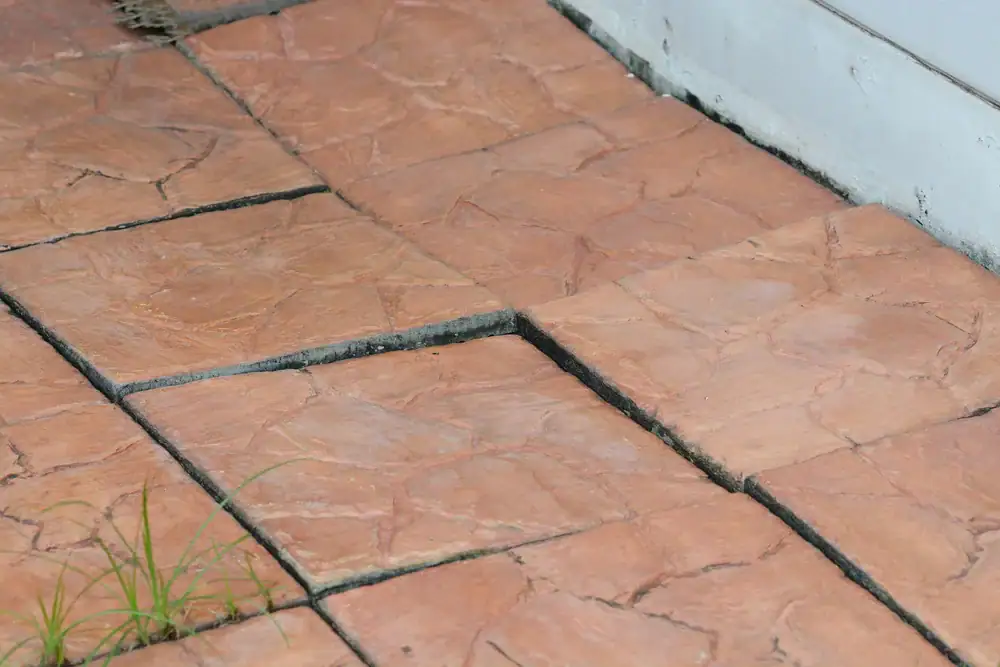
First, we inspect the crack to determine if it’s structural or non-structural. That matters because the repair method changes based on what’s actually causing the problem. You get a free inspection and a detailed report explaining what we found and why it’s happening.
For non-structural cracks, we use polyurethane or epoxy injection to seal the crack from the inside out. The material expands to fill the entire crack, bonds to the concrete, and stops water from coming through. For structural issues, we may recommend carbon fiber reinforcement or wall anchors to stabilize the foundation before sealing it.
The repair itself is usually done in a day. You can stay in your home. There’s some noise and a bit of dust, but nothing that requires you to move out. Once it’s done, you get a lifetime warranty that transfers if you sell the house. That’s not standard in this industry, but it should be.
Ready to get started?
You’re getting a free inspection that tells you what’s wrong and what it’ll cost to fix. No surprises, no upsells, no pressure. If the crack is cosmetic, we’ll tell you. If it’s serious, we’ll explain why and show you what happens if you don’t address it.
The repair includes the right materials for your specific situation—epoxy for structural cracks, polyurethane for active leaks, exterior waterproofing membrane if the problem is coming from outside. We also handle interior drainage systems if water is pooling against your foundation, because fixing the crack without addressing the water pressure just means you’ll have another crack in six months.
Schuylkill homes deal with unique challenges. The clay soil here swells when it’s wet and shrinks when it’s dry, putting constant pressure on foundation walls. Freeze-thaw cycles make it worse—water gets into tiny cracks, freezes, expands, and makes the crack bigger. We’ve been fixing foundations in this area long enough to know what works and what’s just a temporary patch.
Non-structural crack repair typically runs $250 to $800 per crack, depending on length and location. That’s for injection methods using polyurethane or epoxy. Structural repairs cost more—anywhere from $1,000 to $30,000+ if you’re dealing with bowing walls, settling, or major foundation movement.
The price depends on whether we’re sealing a crack or stabilizing a wall. A single hairline crack in a poured concrete foundation is straightforward. A stair-step crack in a block wall that’s starting to bow is a different job entirely. That’s why we do free inspections—so you know exactly what you’re dealing with before you spend a dime.
Here’s the part that matters: a $500 repair today can prevent a $15,000 disaster in two years. Foundation problems don’t fix themselves, and they don’t stay the same size. The longer you wait, the more expensive it gets.
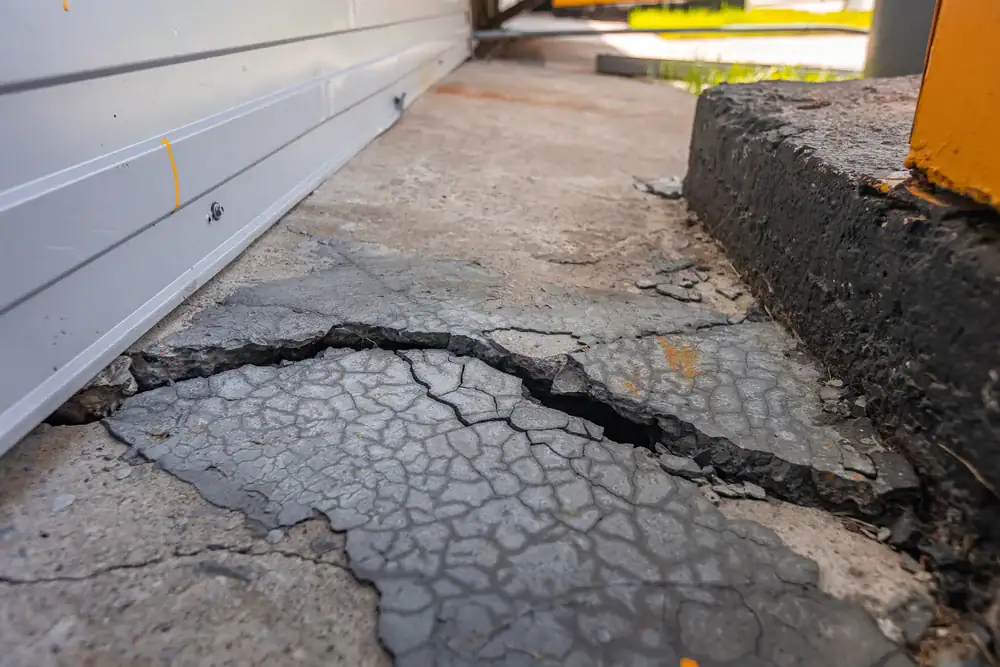
Horizontal cracks are serious. Cracks wider than a quarter-inch are serious. Stair-step cracks in block walls are serious. If the crack is leaking water, it’s serious. If the wall is bowing or bulging, it’s serious.
Vertical hairline cracks in poured concrete are usually less urgent—they’re often caused by concrete curing or minor settling. But even those can let water in, and water leads to bigger problems. If you’re seeing cracks and you’re not sure, get someone out to look at it. We do free inspections because we’d rather tell you it’s not a big deal than have you ignore something that turns into a structural issue.
Signs that a crack is getting worse: it’s growing longer, it’s getting wider, you’re seeing water after it rains, or the wall is starting to lean inward. If you’re noticing any of that, don’t wait.
Yes, and in most cases, that’s the best option. Interior crack injection is less expensive, less disruptive, and just as effective as exterior repairs for stopping water and stabilizing the crack. We inject polyurethane or epoxy directly into the crack under pressure, and the material fills the entire void from the inside out.
Exterior foundation crack repair makes sense if we’re already excavating for waterproofing or if the crack is part of a bigger exterior drainage problem. But for most residential foundation crack repair in Schuylkill, PA, interior injection gets the job done without tearing up your landscaping or spending twice as much.
The material we use bonds to the concrete and stays flexible, so it moves with your foundation as the soil shifts. That’s important in Schuylkill, where freeze-thaw cycles and clay soil mean your foundation is always under some level of stress.
If the crack is the only place water is coming in, yes. Polyurethane injection is specifically designed to stop active leaks. It reacts with water and expands to fill the crack completely, creating a waterproof seal. Epoxy is better for structural repairs but doesn’t handle active water as well, so we choose the material based on what’s actually happening with your foundation.
But here’s the thing: if water is coming through a crack, that means there’s water pressure against your foundation. Sealing the crack stops the leak, but it doesn’t eliminate the pressure. If you have poor drainage, clogged gutters, or grading that slopes toward your house, water will find another way in. That’s why we look at the whole picture during the inspection.
Sometimes a leaking basement wall repair in Schuylkill, PA means fixing the crack and adding a drainage system or regrading the soil around your foundation. We’ll tell you what’s needed and what’s optional, and you decide what makes sense for your budget.
When it’s done right, it lasts for the life of your home. We back our work with a lifetime transferable warranty because we use materials that don’t degrade and methods that actually address the problem. Polyurethane and epoxy injections bond permanently to concrete. Carbon fiber reinforcement doesn’t rust or weaken over time. Exterior waterproofing membranes are designed to last decades.
The repairs that fail are the ones that use surface sealants or hydraulic cement—those are temporary patches that crack again as soon as the foundation moves. We don’t do temporary. If we’re going to fix it, we’re going to fix it so you don’t have to call someone else in five years.
That said, foundation repair isn’t magic. If you ignore drainage problems, let your gutters overflow, or have major soil issues, you can develop new cracks in different areas. The repair itself will hold. But your foundation is only as stable as the conditions around it.
No. You can stay home the entire time. Most cracked foundation repair jobs in Schuylkill, PA are completed in a day, and the work is done in your basement or crawl space. There’s some noise from drilling injection ports, and you’ll notice dust, but it’s not enough to make your house unlivable.
If we’re doing exterior foundation crack repair, we’ll be digging outside, which means equipment noise and some disruption to your yard. But you don’t need to pack a bag and find somewhere else to stay. We work efficiently, clean up after ourselves, and get out of your way as quickly as possible.
The biggest inconvenience is usually just having someone in your house for a few hours. Compared to the alternative—ignoring the crack until your basement floods or your wall starts bowing—it’s a small price to pay.
Other Services we provide in Schuylkill