
Hear from Our Customers
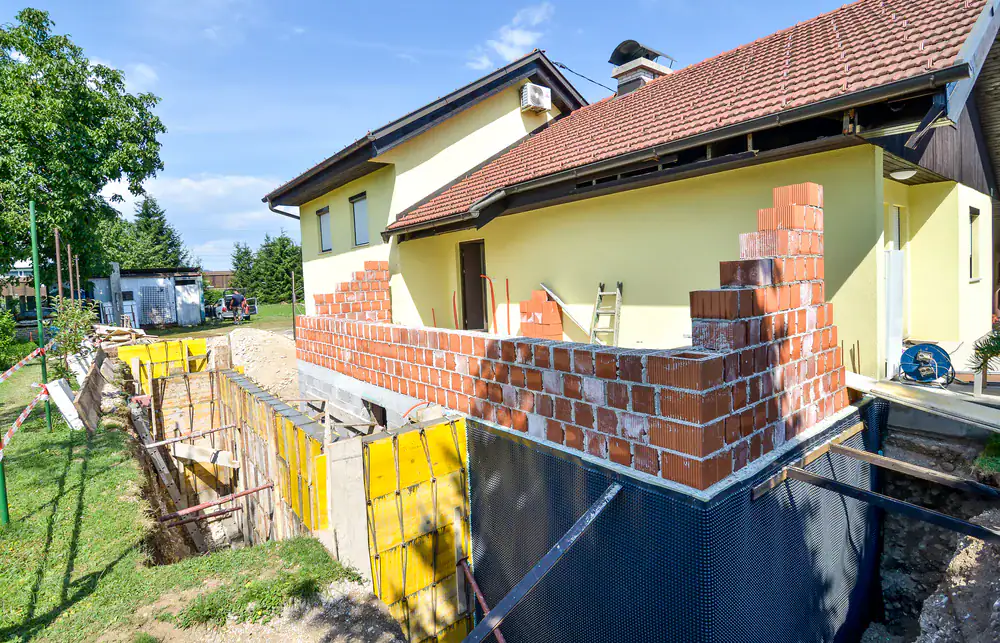
The next big storm shouldn’t keep you up at night. When your foundation cracks are properly sealed, water stays outside where it belongs. You’re not checking the basement every time it rains, and you’re not dealing with that damp smell that creeps through the house.
West Whiteland’s clay soil expands when wet and contracts when dry. That constant movement puts serious pressure on your foundation. Add in our freeze-thaw cycles, and those hairline cracks you noticed last year are wider now. They’ll keep getting worse until you address them.
A small crack repair today costs a few hundred to a couple thousand dollars. Wait another year or two, and you’re looking at major structural work that runs $10,000 or more. The foundation settling won’t stop on its own. The soil keeps moving, the water keeps pushing, and the damage keeps spreading.
Del Val Basement Waterproofing is a family-run company serving homeowners throughout West Whiteland, PA and the greater Philadelphia area. We’ve spent over 15 years learning exactly how this region’s soil and climate affect your foundation.
We know the clay-heavy soil in West Whiteland. We know how the rolling hills and drainage patterns create pressure points around foundations. We’ve seen what happens when homeowners wait too long, and we’ve helped hundreds of families stop small problems before they become expensive disasters.
You’ll work with the same crew from start to finish. No subcontractors. No runaround. Just experienced professionals who show up, explain what’s happening, and fix it right.
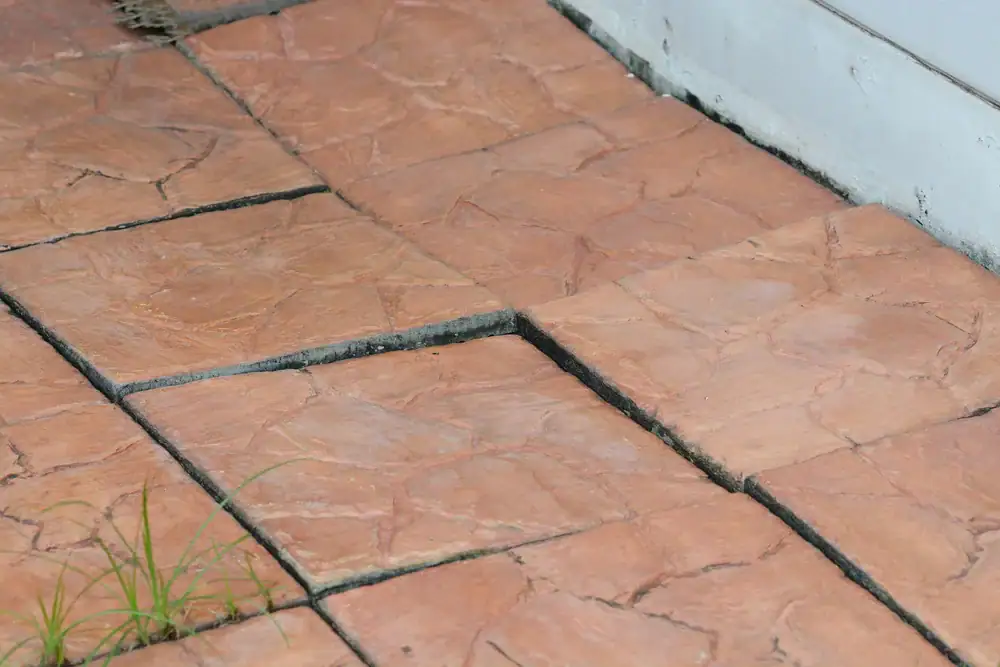
First, we inspect your foundation to figure out what’s causing the cracks. Not all cracks are the same. Some are caused by settling, others by water pressure, and some by freeze-thaw damage. The repair method depends on what’s actually wrong.
For most residential foundation crack repair in West Whiteland, PA, we use polyurethane or epoxy injection. We clean out the crack, inject the material under pressure, and it expands to fill every gap. This creates a waterproof seal that’s often stronger than the surrounding concrete. For exterior foundation crack repair, we excavate around the affected area, seal the crack from the outside, and install proper drainage to keep water away from your foundation.
The whole process usually takes a day, sometimes less for minor cracks. You can stay in your house while we work. Once we’re done, we test everything to make sure it’s sealed properly. Then we clean up and walk you through what we did. Most repairs come with a lifetime transferable warranty, so you’re covered if anything goes wrong.
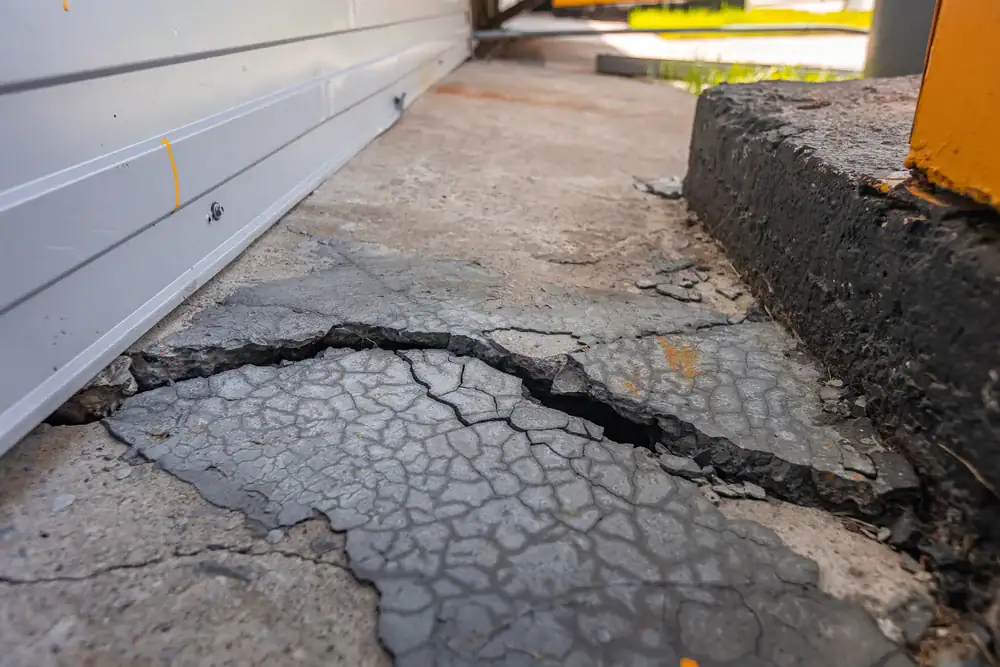
Ready to get started?
Every job starts with a free inspection. We come out, look at your foundation, and tell you exactly what needs to be done. No pressure, no sales pitch. Just straight information about what’s wrong and what it’ll cost to fix.
West Whiteland gets about 38 inches of rain a year, and those heavy storms we’ve been seeing lately don’t help. When water collects around your foundation, it creates hydrostatic pressure that forces moisture through even the smallest cracks. Our repairs address both the crack itself and the water pressure causing it.
You’ll get a detailed explanation of the repair method we’re using and why it’s the right choice for your specific situation. We’ll talk about drainage improvements if they’re needed. And you’ll get a lifetime warranty that transfers to the next owner if you sell your house. That warranty matters when you’re trying to protect your home’s value.
Most homeowners in West Whiteland, PA spend between $500 and $2,500 for minor foundation crack repairs. Moderate issues that involve multiple cracks or structural concerns run $5,000 to $15,000. We’ll give you an honest estimate upfront, and that’s what you’ll pay. No surprise charges after we start working.
Width matters. Cracks less than a quarter-inch wide are usually minor settling cracks that just need sealing. Cracks wider than a quarter-inch, especially if they’re growing, indicate ongoing movement that needs attention now.
Look at the direction of the crack. Vertical cracks are typically less serious than horizontal or stair-step cracks, which can signal structural problems. If you’re seeing horizontal cracks or if your basement wall is bowing inward, that’s a bigger issue that needs immediate evaluation.
Water is the other key factor. If water’s coming through the crack when it rains, you’ve got active water pressure working against your foundation. That pressure will make the crack worse over time. Even if the crack seems small, water intrusion means it’s time to fix it before you’re dealing with mold, damaged belongings, or a full basement flood.
Clay soil is the main culprit here. West Whiteland sits on clay-heavy soil that swells when it absorbs water and shrinks when it dries out. That constant expansion and contraction puts stress on your foundation year-round. It’s not a question of if the soil will move, but how much and how often.
Our freeze-thaw cycles make things worse. Water gets into small cracks, freezes when temperatures drop, and expands. That expansion forces the crack wider. Then it thaws, more water gets in, and the cycle repeats. Each winter, those cracks grow a little more.
Poor drainage accelerates the whole process. If water pools around your foundation after heavy rain, that’s hydrostatic pressure pushing against the concrete. Over time, that pressure causes cracks or makes existing cracks worse. The rolling terrain in West Whiteland means water naturally flows toward lower areas, and if your house sits in one of those spots, you’re dealing with extra water pressure that needs to be managed.
You can try, but it usually doesn’t last. Those concrete caulks and sealants you find at hardware stores sit on the surface. They might stop water for a few months, but they don’t actually fill the crack or address what’s causing it. Once the soil shifts again or temperatures change, the seal breaks and you’re back where you started.
Professional injection methods work differently. We inject polyurethane or epoxy under pressure, which forces the material deep into the crack and allows it to expand and fill every gap. This creates a permanent bond that moves with your foundation instead of just sitting on top of it. The repair becomes part of the structure.
The bigger issue is figuring out why the crack formed. If it’s caused by water pressure, sealing the crack without fixing the drainage problem means you’ll just get more cracks somewhere else. A proper repair looks at the whole situation, not just the visible crack. That’s the difference between a fix that lasts a few months and one that lasts for decades.
Minor cracks under a quarter-inch wide typically run $500 to $2,500 depending on how many you have and where they’re located. That includes inspection, injection repair, and sealing. Most homeowners with one or two small cracks fall into this range.
Moderate repairs involving multiple cracks, wider damage, or some structural concerns cost $5,000 to $15,000. This usually includes more extensive sealing work, possible exterior excavation, and drainage improvements to prevent future problems. If your foundation has shifted significantly or you’ve got bowing walls, you’re looking at the higher end of that range.
Major structural repairs can run $10,000 or more if you need foundation stabilization, wall anchors, or extensive reconstruction. The good news is that most cracks don’t require this level of work if you catch them early. That’s why addressing small cracks now saves you serious money later. A $1,500 repair today prevents a $15,000 problem in three years.
Right now, honestly. Foundation damage doesn’t improve with time. The soil movement that caused the crack is still happening. The water pressure is still there. Every freeze-thaw cycle makes it worse. Waiting just means you’ll pay more later for a bigger repair.
That said, spring and fall are ideal seasons for this work. The ground is stable, temperatures are moderate, and conditions are good for waterproofing materials to cure properly. Summer heat can make some repairs more challenging, and winter cold slows down certain sealants. But if you’ve got water coming in or cracks that are growing, don’t wait for perfect weather. The damage you prevent by fixing it now outweighs any seasonal considerations.
Winter actually has one advantage: the ground movement slows down when it’s cold, which makes it easier to assess the true extent of damage and complete repairs while everything is stable. Spring is peak season for foundation work because everyone’s dealing with damage from winter, which means longer wait times and higher demand. If you can schedule your repair in late fall or winter, you’ll often get faster service.
Unrepaired foundation damage can drop your home’s value by 10 to 15 percent. For a $300,000 house, that’s $30,000 to $45,000 you’re losing. Buyers see foundation cracks and either walk away or demand major price reductions. Home inspectors flag foundation issues immediately, and mortgage lenders get nervous about approving loans on houses with structural concerns.
Proper repairs actually protect your value. When you can show a buyer that cracks were professionally repaired and you’ve got a lifetime transferable warranty, that’s a selling point. It proves you maintained the house and addressed problems correctly. Buyers want to know they’re not inheriting someone else’s deferred maintenance.
The key is documentation. Keep records of the inspection, the repair work, and the warranty. When you sell, you can show exactly what was done, when it was done, and that it’s covered going forward. That transparency builds confidence. A repaired foundation with proper documentation is better than a foundation with no visible cracks but no history, because buyers know the work was done right.
Other Services we provide in West Whiteland