
Hear from Our Customers
Your basement stays dry during storms. That’s the obvious part.
But here’s what else changes: the constant humidity drops, that musty smell disappears, and you stop worrying every time rain hits the forecast. Your foundation stops taking a beating from hydrostatic pressure, which means fewer cracks, less shifting, and no more water forcing its way through your basement floor or walls.
East Whiteland sits on clay-heavy soil that holds water like a sponge and doesn’t let go. When that water has nowhere to drain, it builds pressure against your foundation until something gives. A french drain system installed around your foundation intercepts that water before it becomes your problem, redirecting it away from your home entirely.
You’re not patching symptoms anymore. You’re removing the source.
We’re a family-run company serving Chester County homeowners who need real solutions, not temporary fixes. We specialize in Sub Floor Pressure Relief Systems—a more robust approach than standard french drains—with recommendations from structural engineers and thousands of successful installations across the Delaware Valley.
We know East Whiteland’s soil conditions. We know how clay expands when it absorbs Pennsylvania’s 35-54 inches of annual rainfall, and we know exactly how to design drainage systems that handle it. Every installation comes with a lifetime transferable warranty because we’re confident in what we build.
You’re working with people who understand the local ground conditions and have solved these problems hundreds of times.
We start with a free consultation at your property. We’ll assess your drainage issues, check your soil conditions, look at how water moves around your foundation, and explain exactly what needs to happen.
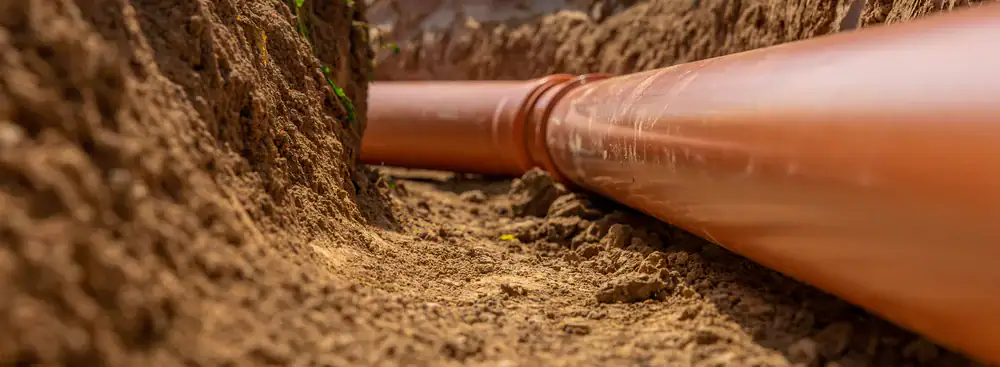
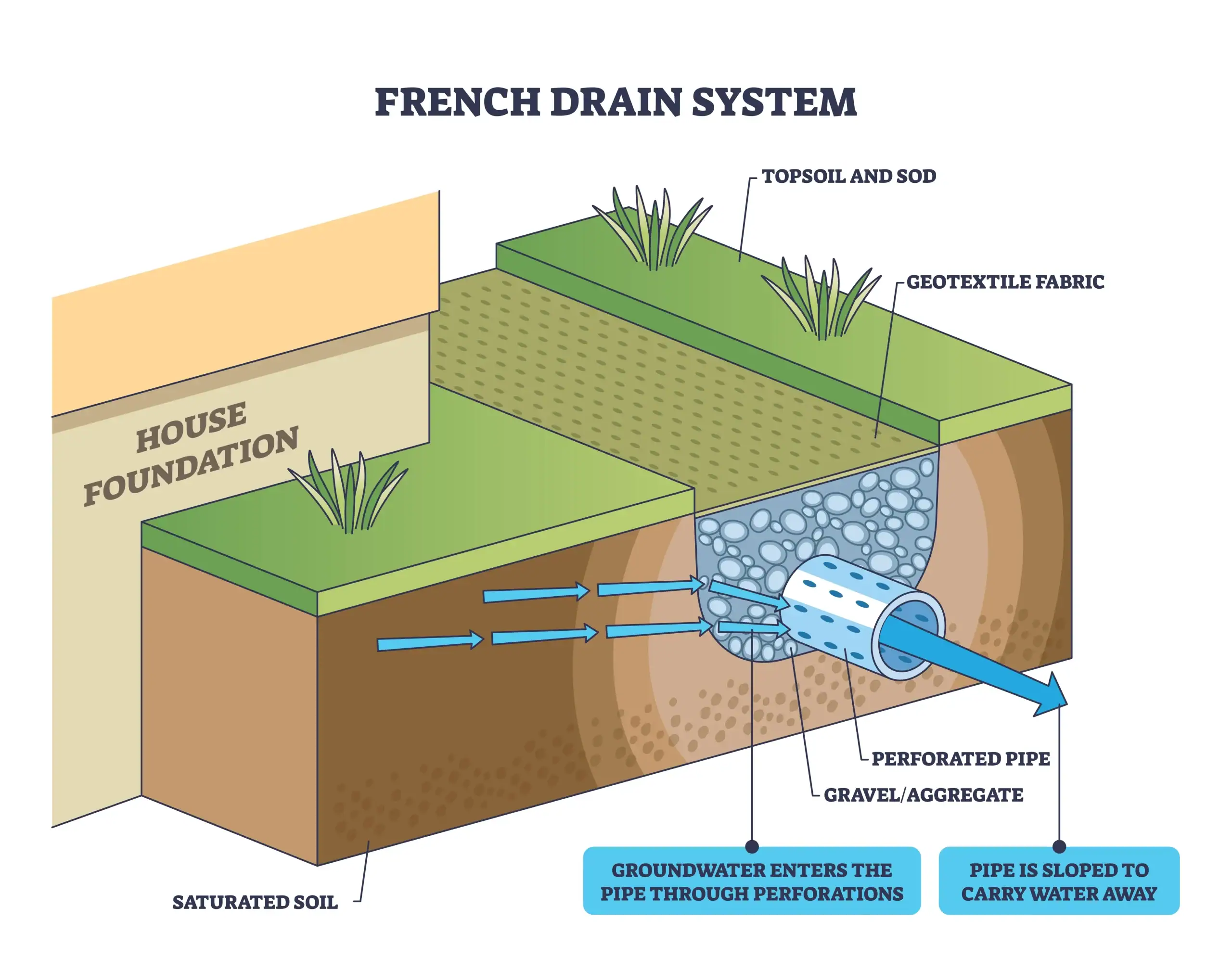
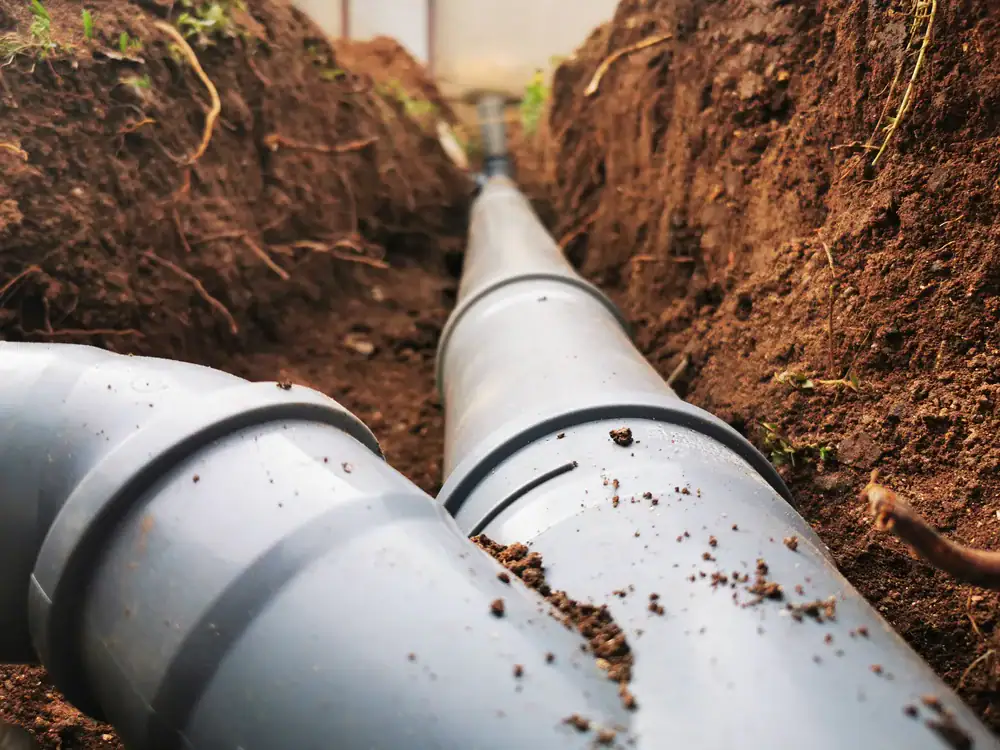
Once you approve the plan, we excavate a trench around the affected area of your foundation—either interior along your basement floor or exterior around the perimeter, depending on your specific situation. We install a perforated pipe surrounded by gravel that intercepts groundwater before it reaches your foundation walls. That pipe slopes toward a discharge point away from your home, either to daylight, a dry well, or a sump pump system.
After installation, we backfill, restore your property, and test the system to make sure water flows exactly where it should. The whole process typically takes one to three days depending on the scope, and you’ll see results immediately the next time it rains.
Ready to get started?
You get a complete drainage system designed for East Whiteland’s clay soil and weather patterns. That includes proper excavation depth, correctly sized perforated pipe, clean gravel that won’t clog over time, and a discharge system that moves water far enough away that it won’t circle back.
We also handle the details most homeowners don’t think about: filter fabric to prevent soil intrusion, proper grading to ensure water flows by gravity, and connection to your existing sump pump if needed. Every installation is customized based on your property’s topography, soil type, and how water naturally moves across your yard.
Pennsylvania’s spring rains and summer thunderstorms put serious stress on foundations. Between March and April, virtually every basement without proper drainage is at risk. A professional french drain installation in East Whiteland, PA gives you a system that works when you need it most—during heavy rainfall when hydrostatic pressure spikes and basements flood. You’re not gambling on whether it’ll hold up. You’re installing a system built to handle the worst weather this area throws at it.
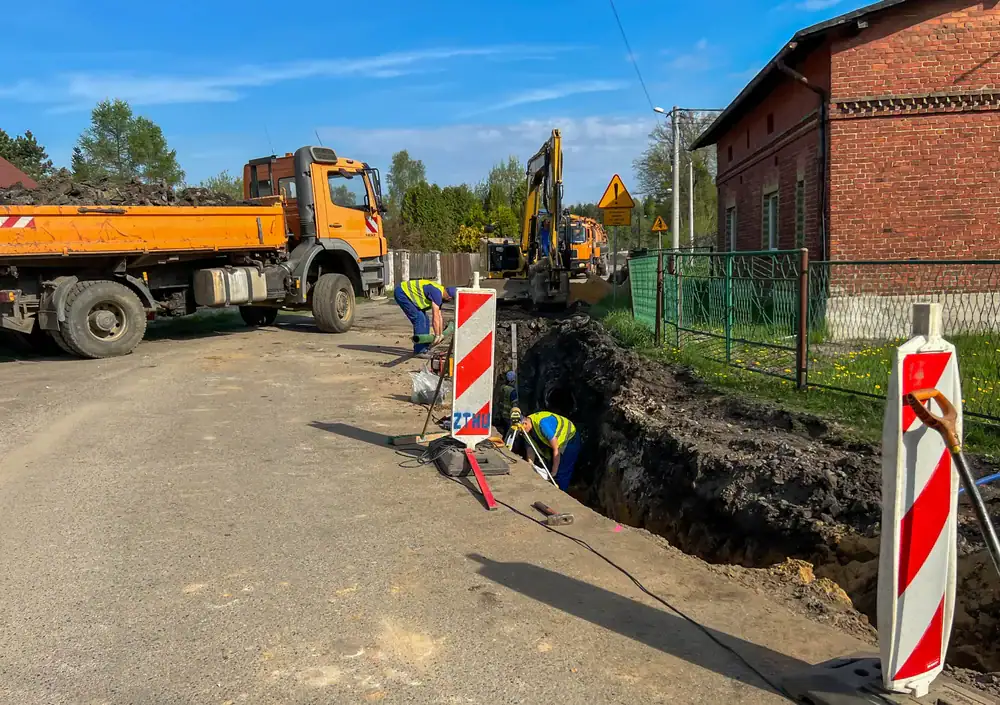
A properly installed french drain system lasts decades when built with the right materials and correct installation methods. The key factors are using clean gravel that won’t break down, quality perforated pipe that resists crushing, and filter fabric that prevents soil from clogging the system over time.
East Whiteland’s clay soil is tough on drainage systems because clay particles are fine enough to migrate into gravel if the system isn’t protected correctly. That’s why filter fabric and proper gravel selection matter so much here. Cheap installations skip these details and fail within years.
Our systems come with a lifetime transferable warranty because we use commercial-grade materials and install them correctly the first time. You shouldn’t need to think about your french drain again once it’s in.
It depends on where your water problem originates and what your property allows. Exterior french drains intercept water before it ever reaches your foundation, which makes them the most effective option for preventing hydrostatic pressure buildup. Interior french drains manage water that’s already made it to your basement floor, collecting it and directing it to a sump pump.
If you’re dealing with foundation cracks, exterior wall moisture, or water pressure issues, an exterior system addresses the root cause. If your basement already has water seeping through the floor or you can’t excavate outside due to landscaping or access issues, an interior system is your best option.
In East Whiteland, where clay soil creates persistent hydrostatic pressure, exterior systems often provide better long-term protection. But every property is different. We’ll assess your specific situation during the free consultation and recommend what actually makes sense for your home.
Yes, if it’s installed correctly and sized appropriately for your property’s drainage needs. A french drain system works by intercepting groundwater and redirecting it away from your foundation before hydrostatic pressure builds up enough to force water through cracks, joints, or porous concrete.
Pennsylvania gets hit with severe spring rains and summer thunderstorms that dump water faster than clay soil can absorb it. That’s when hydrostatic pressure spikes and basements flood. A properly designed french drain handles that surge by giving water an easy path away from your foundation instead of letting it pool and build pressure.
The system needs to be sized correctly for the volume of water your property deals with, and it needs a reliable discharge point that won’t back up during storms. That’s where experience with local conditions matters. We’ve installed drainage systems across Chester County and know exactly what it takes to keep basements dry when weather gets ugly.
Most residential french drain installations in East Whiteland range between $3,000 and $8,000 depending on the length of the system, whether it’s interior or exterior, and how complex your property’s drainage situation is. Interior systems typically run $5,000 to $6,000 for about 100 linear feet. Exterior installations vary more based on excavation requirements and landscaping restoration.
The cost reflects the labor, materials, and expertise required to install a system that actually works long-term. You’re paying for proper excavation, quality perforated pipe, clean gravel, filter fabric, and a discharge system that moves water away from your home effectively.
Cheaper quotes usually mean shortcuts—thinner pipe, recycled gravel that clogs quickly, or improper grading that leaves water pooling near your foundation. Those systems fail within a few years, and you’re back to square one. We price our work to reflect the quality of materials and installation methods that come with a lifetime warranty. You’re investing in a permanent solution, not a temporary patch.
You can, but most DIY french drain installations fail because homeowners underestimate how precise the grading needs to be, use the wrong materials, or don’t account for local soil conditions. French drains rely on gravity to move water, which means even small errors in slope calculation leave you with standing water and a system that doesn’t drain.
East Whiteland’s clay soil adds another layer of complexity. Clay particles migrate into gravel and clog drainage systems if you don’t use proper filter fabric and gravel sizing. Most DIY installations skip these details because they’re not obvious until the system stops working a year later.
You’re also dealing with excavation near your foundation, which can cause structural issues if done incorrectly. Professional installation includes proper trench depth, correct pipe placement, grading that ensures water flows away from your home, and materials that won’t fail in local soil conditions. Plus, you get a lifetime warranty. If something goes wrong with a DIY system, you’re paying to rip it out and start over. That usually costs more than hiring professionals from the start.
Groundwater pressure and poor drainage around your foundation. East Whiteland sits on clay-heavy soil that absorbs water from rain, snowmelt, and underground sources, then holds it for days or weeks without letting it drain away. That trapped water creates hydrostatic pressure against your foundation walls and floor, eventually forcing its way through cracks, joints, or porous concrete.
You don’t need active rainfall for this to happen. The water table can rise from storms that happened days ago, or from snowmelt working its way through the ground. Clay soil makes it worse because it expands when wet, creating even more pressure against your foundation.
If your basement leaks without rain, you’re dealing with a drainage problem that’s been building over time. A french drain system installed around your foundation intercepts that groundwater before it reaches your walls, dropping the pressure and keeping your basement dry regardless of what’s happening underground. It’s the only way to address the root cause instead of just patching symptoms every time water shows up.
Other Services we provide in East Whiteland