Hear from Our Customers
You shouldn’t have to check the basement every time it rains. You shouldn’t smell mold when you walk downstairs. And you definitely shouldn’t be pulling out a shop-vac in the middle of the night because water’s pooling near the furnace again.
When your basement stays dry, everything changes. You stop worrying about storm forecasts. You can actually use that space for storage, a workshop, or a finished room without wondering if it’ll flood next month. Your air quality improves because mold isn’t growing behind the walls.
A reliable waterproofing system doesn’t just keep water out. It protects your foundation from cracking, prevents structural damage that costs tens of thousands to fix later, and keeps your home’s value intact. Most jobs finish in one to two days, and the right system lasts decades without needing constant maintenance.
Del Val Basement Waterproofing is a family-run company based in Plymouth Meeting. We’ve spent over 15 years working on homes across Montgomery County, and we know exactly what causes water problems here—older stone foundations, clay soils that hold moisture, and heavy spring rains that overwhelm outdated drainage systems.
Norristown homes weren’t built with modern waterproofing. Most foundations are stone or block, and they leak because that’s what porous materials do when groundwater pressure builds up. We’ve seen it in every neighborhood, from older rowhomes near the Schuylkill to single-family houses west of Trooper Road.
We don’t oversell. We show up, inspect your basement for free, explain what’s actually causing the problem, and give you options that fit your budget. Every job comes with a lifetime transferable warranty because we’re not interested in coming back to fix the same issue twice.
First, we schedule a free inspection. One of our team members comes out, looks at your basement, checks for cracks, measures moisture levels, and figures out where the water’s coming from. We don’t charge for this, and we don’t pressure you into anything.
Once we know what’s going on, we explain your options. That might be an interior drainage system with a sump pump, exterior waterproofing to redirect water away from the foundation, crack repair with epoxy or polyurethane injection, or a combination depending on what your home needs. We walk you through the cost, the timeline, and what to expect during the work.
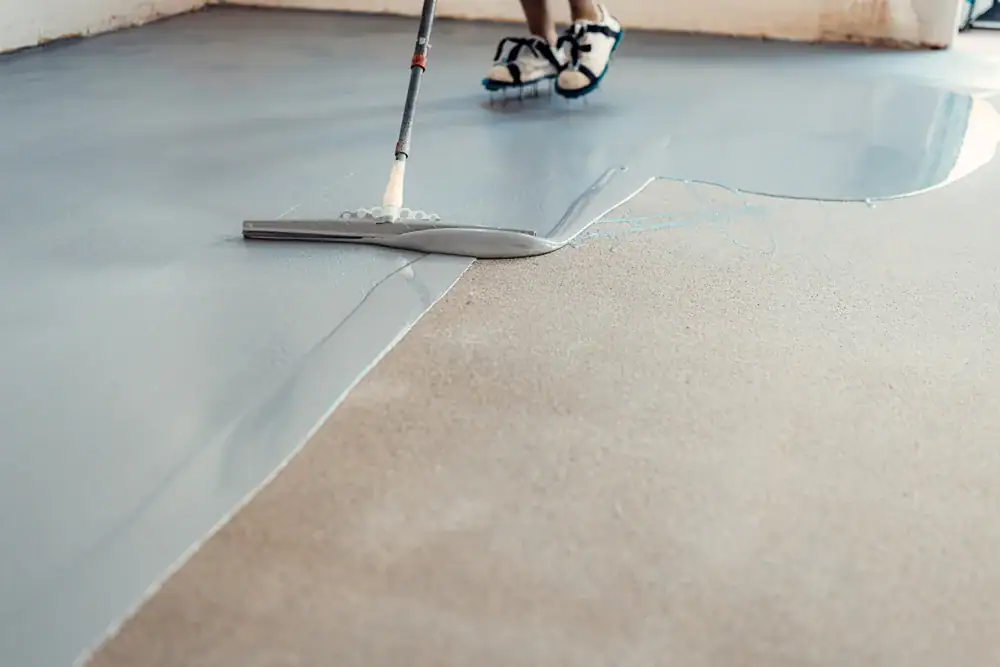
Most jobs take one to two days. We dig a trench along the inside perimeter if we’re installing a sub-floor drainage system, or excavate around the outside if we’re sealing the foundation from the exterior. We install the system, test it, clean up, and make sure everything works before we leave. You get a written warranty, and if anything ever goes wrong, we come back and fix it.
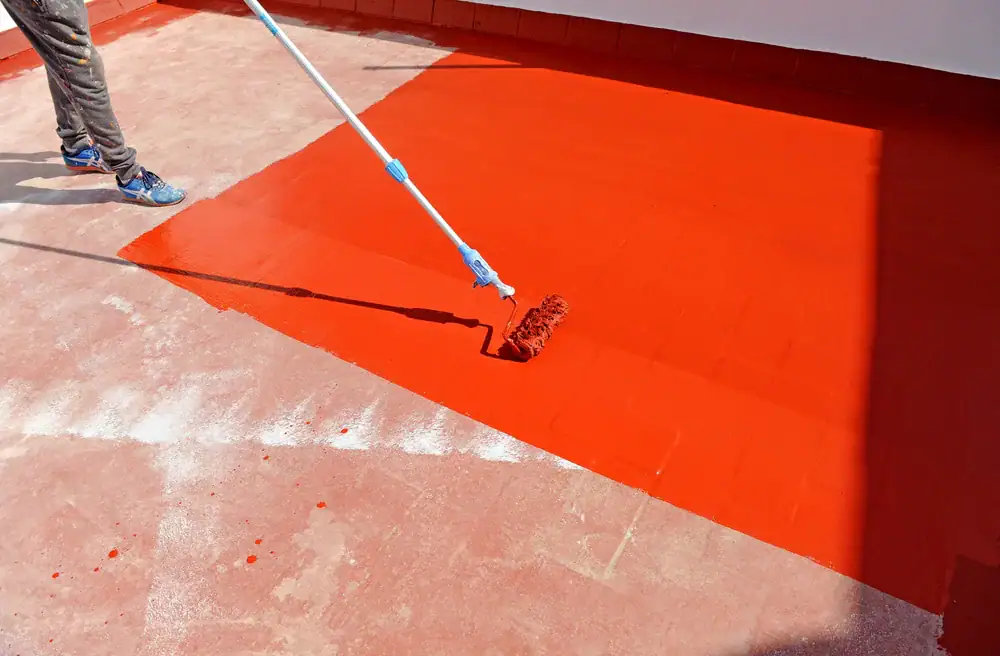
Ready to get started?
A good waterproofing system does more than keep your floor dry. It manages hydrostatic pressure—the force of water pushing against your foundation walls from the outside. In Norristown, that pressure spikes every spring when snow melts and rain saturates the ground. Clay soils don’t drain well, so water sits against your foundation until it finds a way in.
Interior systems work by capturing water after it enters the foundation but before it floods your basement. We install a perforated drain along the footer, which collects water and channels it to a sump pump that pushes it outside. It’s less invasive than exterior work, costs less, and handles most water problems effectively.
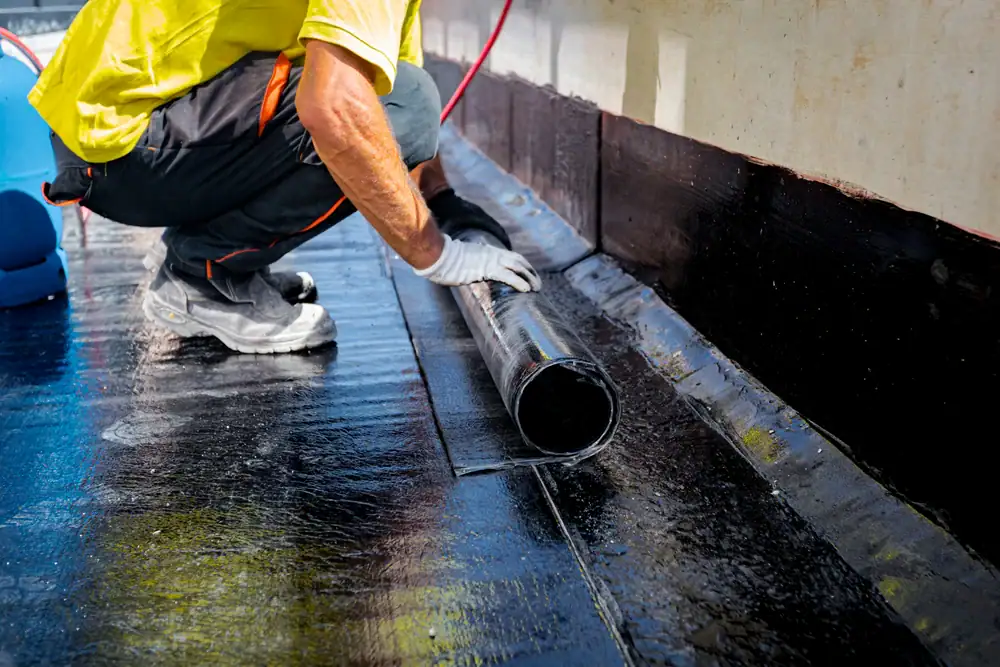
Exterior waterproofing stops water before it reaches the foundation. We excavate around the outside, apply a waterproof membrane, install drainage board, and add a footer drain that redirects groundwater away from the house. This works well for homes with severe seepage or structural cracks that need attention from the outside.
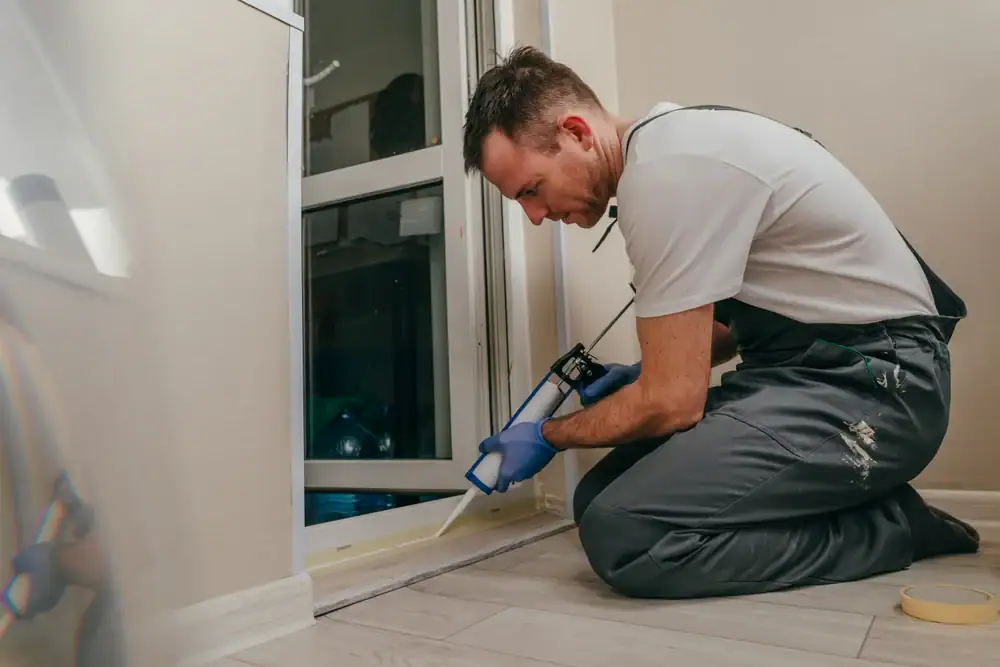
Foundation crack repair seals openings where water’s actively leaking. We use epoxy for structural cracks and polyurethane for non-structural ones. Both stop water immediately and prevent the crack from expanding. Crawl space encapsulation keeps moisture out of vented crawl spaces, which is critical in older Norristown homes where damp crawl spaces lead to mold, wood rot, and poor air quality upstairs.
Most homeowners in the Philadelphia area spend between $3,400 and $7,800 depending on the size of the basement and the type of system. Interior drainage with a sump pump usually runs $4,000 to $6,000 for an average-sized basement. Exterior waterproofing costs more—typically $8,000 to $15,000—because it involves excavation, but it’s necessary if you have structural issues or severe water intrusion that interior systems can’t handle alone.
Crack repair by itself costs less, usually $600 to $2,000 depending on how many cracks need sealing and how deep they go. Crawl space encapsulation ranges from $3,000 to $8,000 depending on the size and whether you need a vapor barrier, dehumidifier, or drainage system installed.
We give free estimates, so you’ll know exactly what it costs before we start. The price depends on your home’s specific situation—how much water you’re dealing with, what’s causing it, and what needs to be fixed to stop it for good.
A properly installed system lasts decades. Interior drainage systems with sump pumps can last 20 to 30 years or more if the pump is maintained and replaced when it wears out. The drainage pipes themselves don’t degrade—they’re designed to handle water flow indefinitely.
Exterior waterproofing membranes last 25 to 50 years depending on the material. Rubberized asphalt and polymer-based membranes hold up well in Pennsylvania’s freeze-thaw cycles. The key is proper installation—if the membrane is applied correctly and the drainage system directs water away from the foundation, it keeps working without needing repairs.
Crack repairs with epoxy or polyurethane are permanent as long as the foundation doesn’t shift significantly. Epoxy bonds to concrete and becomes part of the structure. Polyurethane expands to fill the crack and stays flexible, so it handles minor movement without breaking the seal.
We back everything with a lifetime transferable warranty. If something fails, we fix it. Most systems don’t need maintenance beyond occasional sump pump checks, but we’re available if anything comes up.
Norristown sits in an area with clay-heavy soil that doesn’t drain well. When it rains, water saturates the ground and has nowhere to go, so it builds up around your foundation. Older homes here have stone or block foundations that are naturally porous—water seeps through the mortar joints and small cracks because those materials weren’t designed to be waterproof.
Hydrostatic pressure is the main culprit. When the soil around your foundation is saturated, the water pushes against the walls with enough force to find any weak point—cracks, joints, or gaps around pipes and windows. Once it gets in, it pools on your basement floor or seeps through the walls and creates damp spots.
Gutters and downspouts make it worse if they’re clogged or dumping water too close to the house. If water isn’t directed at least six feet away from the foundation, it just soaks back into the soil and adds to the pressure. Grading issues also contribute—if your yard slopes toward the house instead of away from it, every rainstorm sends water straight to your foundation.
Spring is the worst time because snow melt combines with rain to overwhelm the ground’s ability to absorb moisture. That’s when most basements flood, and that’s when we get the most calls.
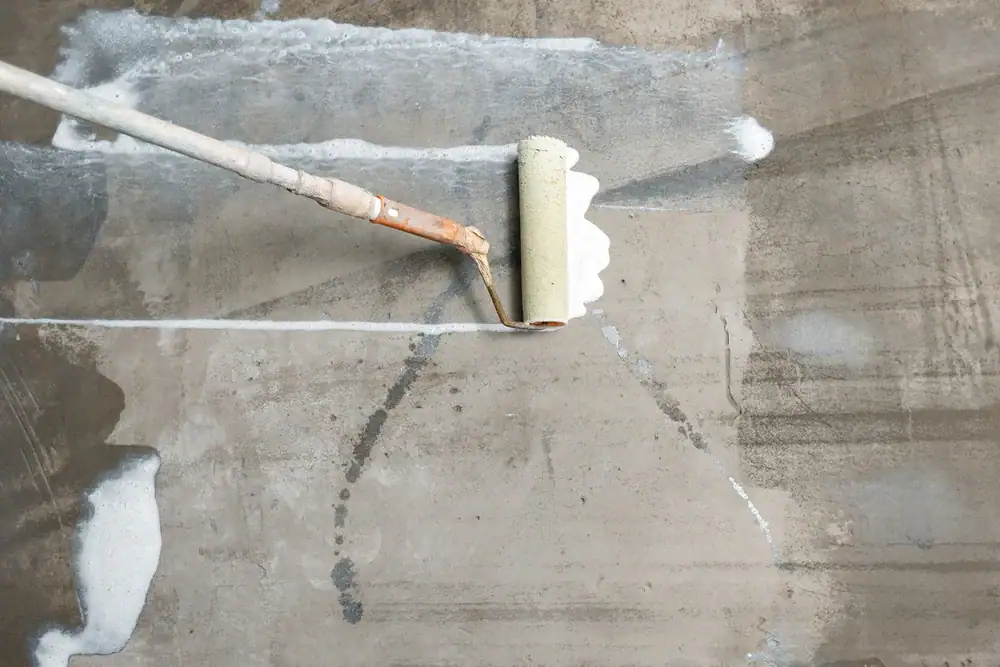
You can handle minor fixes like sealing small cracks with hydraulic cement or applying waterproof paint to walls, but those are temporary solutions. They might stop a slow drip for a while, but they don’t address the real problem—water pressure from outside the foundation.
DIY waterproofing products sold at hardware stores are designed for surface moisture, not active leaks or flooding. Waterproof paint creates a barrier on the inside of the wall, but if water is pushing through from the outside, the paint eventually fails. Hydraulic cement works for small cracks, but it doesn’t stop water from finding another way in through a different crack or joint.
Installing a full drainage system or exterior waterproofing requires excavation, proper grading, and knowledge of how water moves around a foundation. If the system isn’t installed correctly, it won’t work. Sump pumps need to be sized right for your basement and positioned where they can handle the volume of water coming in. Drainage pipes need the correct slope, or water won’t flow to the sump basin.
Most homeowners who try to DIY a serious water problem end up calling a professional after the first big rainstorm proves the fix didn’t work. It’s cheaper and faster to do it right the first time, and you get a warranty that covers the work if anything goes wrong.
Interior systems work when water is seeping through the floor or coming up through the footer joints. If you see puddles after it rains but your walls aren’t visibly wet or cracked, an interior drainage system with a sump pump usually handles it. This is the most common solution because it’s less invasive, costs less, and solves most water problems in Norristown basements.
Exterior waterproofing is necessary when you have structural cracks, bowing walls, or water pouring through the foundation walls themselves. If your basement walls are damp or you see water streaming in during heavy rain, the problem is outside, and you need to stop it at the source. Exterior work involves digging around the foundation, sealing the walls with a waterproof membrane, and installing a drainage system that redirects water before it reaches the house.
Sometimes you need both. If your foundation has cracks that need repair and you’re also dealing with water coming up through the floor, we’ll seal the cracks from the outside and install an interior drainage system to manage any water that still makes it to the footer.
We assess your basement during the free inspection and recommend what actually works for your situation. We’re not going to sell you exterior waterproofing if an interior system solves the problem, and we’re not going to install an interior system if your walls are falling apart and need exterior attention first.
Yes, if you eliminate the moisture. Mold grows when humidity stays above 60% and there’s organic material for it to feed on—drywall, wood, cardboard, fabric. Basements are perfect for mold because they’re naturally damp, poorly ventilated, and full of stuff that mold loves.
Waterproofing stops the source of moisture. If water isn’t seeping through your walls or pooling on the floor, your basement stays drier. Pair that with a dehumidifier, and you can keep humidity below 50%, which prevents mold from growing in the first place.
If you already have mold, waterproofing won’t remove it—you’ll need mold remediation first. We handle that too. We remove contaminated materials, treat affected areas with antimicrobial solutions, and dry everything out before we install the waterproofing system. Once the system is in place and the basement stays dry, mold doesn’t come back.
Mold isn’t just a cosmetic issue. It causes respiratory problems, triggers asthma and allergies, and damages your home’s structure if it spreads to wood framing. Fixing the water problem now prevents bigger health and repair costs later.
Other Services we provide in Norristown