
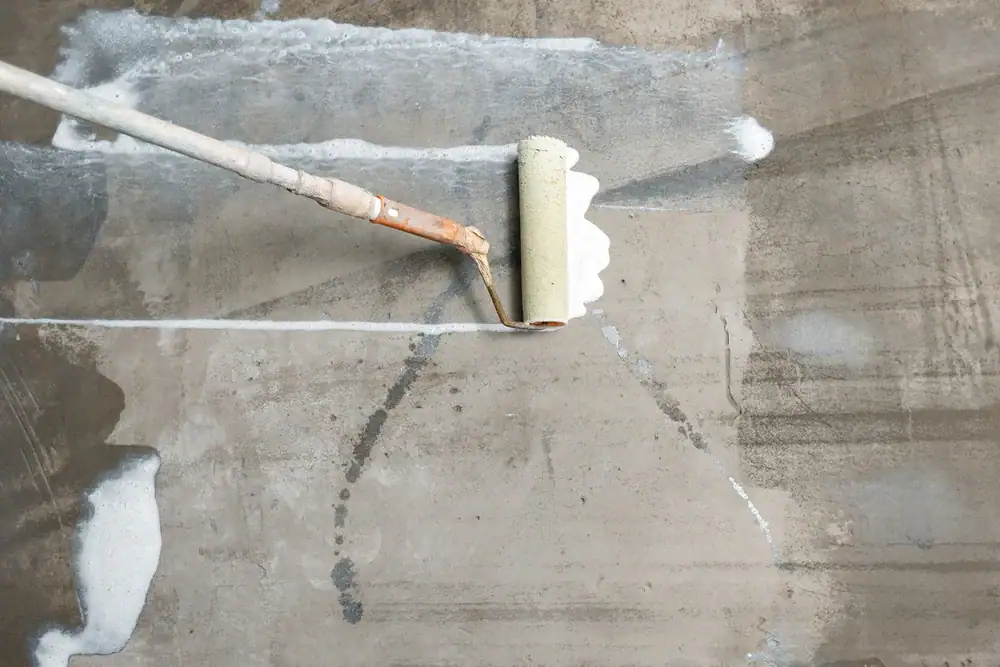
Hear from Our Customers
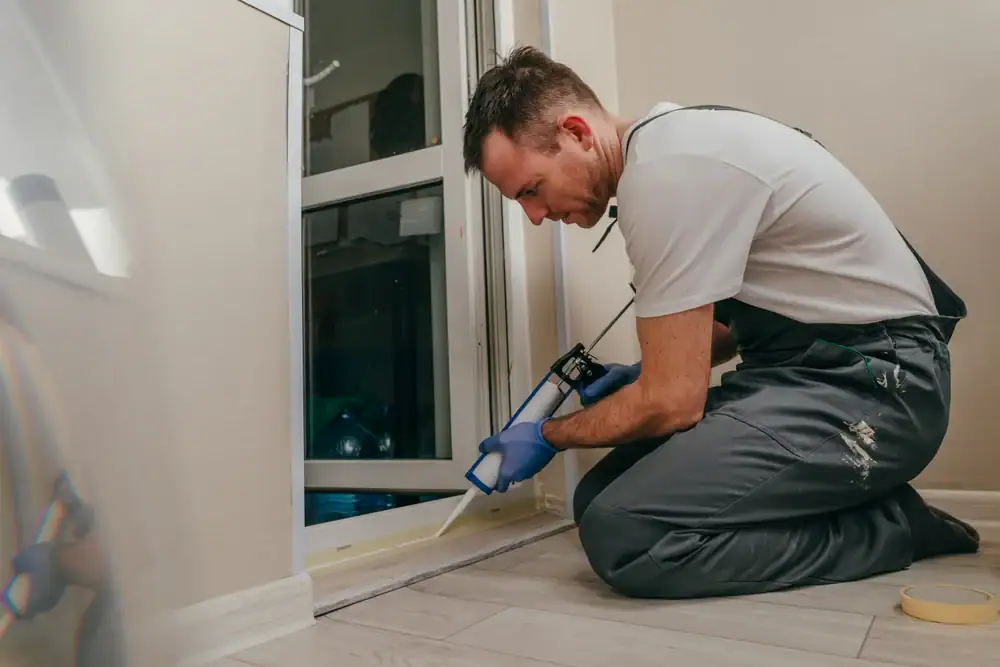
You stop worrying every time rain hits the forecast. That’s the real outcome here.
Your basement becomes usable space again—not a liability you avoid showing guests or a storage area where everything needs to be elevated on pallets. The air in your home improves because moisture isn’t creeping up through your foundation, feeding mold that aggravates allergies and asthma. You’re not running a dehumidifier 24/7 trying to fight a losing battle.
When you handle basement moisture problems the right way, your home’s structure stays intact. Water doesn’t get the chance to weaken your foundation, rot floor joists, or create the kind of damage that turns into five-figure repair bills. Your property value holds because buyers aren’t walking into your basement during inspections and immediately negotiating down.
This is what working with a residential waterproofing company that knows Plymouth Meeting actually delivers. Not temporary fixes. Not band-aids. Real protection that lasts decades.
We’ve been handling foundation and water issues across Montgomery County since 2007. Over 15 years of keeping basements dry in Plymouth Meeting and surrounding areas.
We’re not a national chain sending different crews every time. You work with people who’ve seen what Pennsylvania weather does to foundations—the freeze-thaw cycles, the clay soil expansion, the spring flooding that hits this area. That local knowledge matters when you’re diagnosing why water keeps showing up in your basement.
Every project gets treated like it’s our own foundation because the owner built this company on that principle. You get straight answers about what’s causing your water issues, what it takes to fix them, and what it costs. No upselling systems you don’t need.
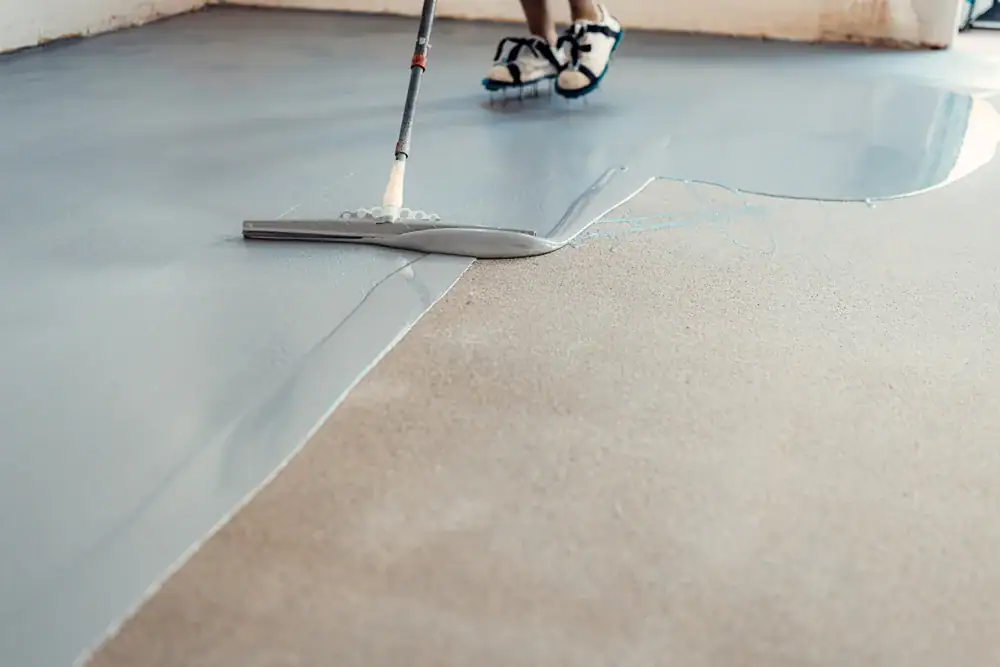
First, we come out for a free estimate and actually inspect your basement. We’re looking at where water enters, checking your foundation walls, examining grading around your home, and figuring out whether you need interior waterproofing, exterior waterproofing, or both.
You get a clear explanation of what’s happening and why. If your issue needs a Sub Floor Pressure Relief System instead of an outdated French drain, we’ll explain the difference. If exterior waterproofing makes more sense for your situation—even though it costs more upfront—we’ll tell you that too. The recommendation is based on your specific problem, not what’s easiest for us to install.
Once you approve the plan, we schedule the work around your life. Most interior waterproofing jobs don’t require you to leave your home. The process is less invasive than you’d think. We install the system, test it, clean up the work area, and make sure everything’s functioning before we leave.
Then you get a Lifetime Transferable Warranty. That’s not a gimmick—it’s coverage that moves with your home if you sell. When the next storm rolls through Plymouth Meeting, your basement stays dry while your neighbors are scrambling for shop-vacs.
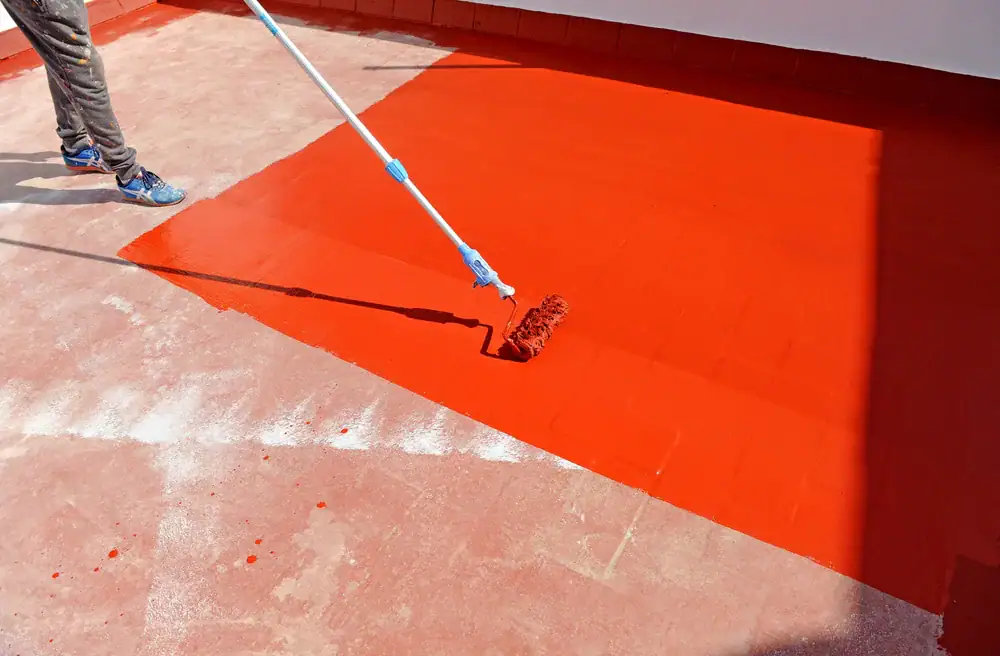
Ready to get started?
Interior waterproofing typically involves installing a perimeter drainage system that captures water before it surfaces on your basement floor. We use Sub Floor Pressure Relief Systems that handle hydrostatic pressure more effectively than traditional French drains. This system redirects water to a sump pump that removes it from your home automatically.
Exterior waterproofing means excavating around your foundation, applying waterproof membrane or coating to your foundation walls, and installing proper drainage systems at the footer level. This approach stops water before it ever reaches your foundation. It lasts 20-30 years or more when done correctly. It’s the most comprehensive solution for severe water issues, though it requires more work upfront.
Plymouth Meeting sits in an area where soil conditions and water tables create specific challenges. The clay-heavy soil common in Montgomery County expands when wet and contracts when dry, putting constant pressure on foundation walls. Homes built in the 1960s through 1980s often have foundation drainage systems that have failed or were never adequate to begin with.
We also handle crawl space encapsulation, mold remediation when water damage has already occurred, and sump pump installation or replacement. Every service includes honest pricing upfront—no surprises when the work is done. You know what you’re paying before we start.
Most basement waterproofing projects in this area run between $3,000 and $10,000, but that range shifts based on what your basement actually needs. A straightforward interior drainage system with a sump pump installation sits on the lower end. Exterior waterproofing with full foundation excavation pushes toward the higher end or beyond if you’re dealing with extensive foundation damage.
The size of your basement matters. A 1,200 square foot basement costs more to waterproof than a 600 square foot space. The severity of your water problem matters too—if you’re getting minor seepage during heavy rains, that’s different than standing water after every storm.
Here’s what affects your final cost: the waterproofing method (interior vs exterior), how much linear footage of foundation wall needs treatment, whether your sump pump system needs upgrading, if there’s existing mold that needs remediation first, and what kind of access we have to your foundation. We give you a free estimate that breaks down exactly what you’re paying for. No hidden fees added later.
Interior waterproofing typically takes 2-4 days depending on your basement size and the system complexity. You can stay in your home during the work. We’re not tearing apart your entire basement—we’re working along the perimeter where the floor meets the foundation wall.
Exterior waterproofing takes longer, usually 5-7 days, because we’re excavating around your foundation. Weather can extend that timeline since we can’t work in heavy rain or when the ground is frozen. This is why most exterior waterproofing happens during dry months.
The actual timeline for your project depends on a few factors: the linear footage of foundation wall being treated, whether we encounter unexpected issues like deteriorated foundation that needs repair first, and how quickly we can get equipment access to your property. Some Plymouth Meeting properties have tight side yards or landscaping that complicates excavation access.
We’ll give you a realistic timeline during your estimate. If we say four days, we mean four days—not four days that turns into two weeks. You’ll know when we’re starting, what happens each day, and when your basement will be fully protected.
Interior waterproofing does require removing the bottom section of drywall along your foundation walls—usually 12-18 inches up from the floor. We need access to install the drainage system where your floor meets the wall. If you have finished flooring along the perimeter, we’ll need to remove that section too.
The good news: we’re not gutting your entire basement. Your ceiling stays intact. Any walls that don’t sit against the foundation stay untouched. Most of your finished space remains undisturbed. Once the waterproofing system is installed and tested, you can refinish that bottom section of wall and replace the flooring.
Some homeowners wait to refinish until after the first major rainstorm, just to confirm everything’s working as expected. That’s not a bad approach. You want to see your basement stay dry before you invest in new drywall and flooring.
Exterior waterproofing doesn’t touch your finished basement interior at all. We’re working outside your home. The tradeoff is that we’ll be excavating around your foundation, which means temporarily disturbing landscaping, bushes, or anything planted within a few feet of your foundation. We restore the grading and backfill properly, but you may need to replant some vegetation.
Interior waterproofing manages water that’s already trying to enter your basement. We install a drainage system along the inside perimeter of your foundation that captures water and directs it to a sump pump. The pump then removes the water from your home. This approach is less expensive, less disruptive, and works well for most basement water problems.
Exterior waterproofing stops water before it reaches your foundation walls. We excavate around your home’s foundation, apply waterproof coating or membrane directly to the foundation exterior, and install drainage systems at the footer level. This creates a barrier that prevents water from ever contacting your foundation. It’s the most thorough approach and lasts 20-30 years or more.
Which one you need depends on your specific situation. If you’re dealing with hydrostatic pressure—water being forced through your foundation walls or floor due to high water table or poor drainage—interior waterproofing with a pressure relief system handles that effectively. If your foundation walls are cracked, deteriorating, or you’re getting severe water intrusion, exterior waterproofing might be the better long-term solution.
Sometimes both methods make sense. We’ll assess your basement during the free estimate and recommend what actually fixes your problem. We’re not pushing the most expensive option—we’re recommending what works for your home and your budget.
If water only shows up in your basement during heavy rains and you notice your gutters overflowing or your downspouts dumping water right next to your foundation, start with the gutters. That’s the cheapest fix. Clean gutters, extended downspouts that carry water at least 6-10 feet away from your foundation, and proper grading can solve minor water issues.
But if you’ve already addressed gutters and grading and you’re still getting water, you’ve got a foundation or drainage problem that needs waterproofing. Signs that point to waterproofing: water seeping through foundation wall cracks, moisture appearing where the floor meets the wall, efflorescence (white chalky residue) on foundation walls, or water coming up through your basement floor.
Plymouth Meeting’s soil conditions mean that even with perfect gutters, many homes still need waterproofing. The clay soil doesn’t drain well, so water sits against your foundation. Over time, hydrostatic pressure builds up and forces water through any weak point in your foundation. That’s not something gutters can fix.
Here’s a simple test: if your basement gets damp or wet even during moderate rain, or if you smell mustiness even when it hasn’t rained recently, you’re past the point where gutters alone will help. You need a waterproofing company to assess what’s actually happening below ground. We’ll tell you honestly if your issue is simple drainage or if you need a real waterproofing system.
We include a Lifetime Transferable Warranty on our waterproofing systems. That means if your system fails, we come back and fix it at no cost to you. If you sell your home, the warranty transfers to the new owner—which is a selling point that buyers notice during home inspections.
Not all waterproofing warranties are equal. Some companies offer “lifetime” warranties that are actually prorated, meaning you pay an increasing percentage of repair costs as years go by. Others have warranties loaded with exclusions that let them avoid covering legitimate failures. Read the fine print before you sign with any waterproofing contractor.
Our warranty covers the waterproofing system itself—the drainage system, sump pump components, and installation workmanship. It doesn’t cover damage you cause by digging up the system yourself or foundation damage from unrelated issues like earthquakes. But if water gets into your basement because the system we installed isn’t working, we fix it.
This warranty matters because waterproofing is a long-term investment in your home. You shouldn’t have to worry about whether the system will hold up in five years or ten years. You definitely shouldn’t have to pay twice for the same fix. A legitimate warranty from a local company that’s been operating for over 15 years means something—we’ll still be here if you need us.
Other Services we provide in Plymouth Meeting