Hear from Our Customers
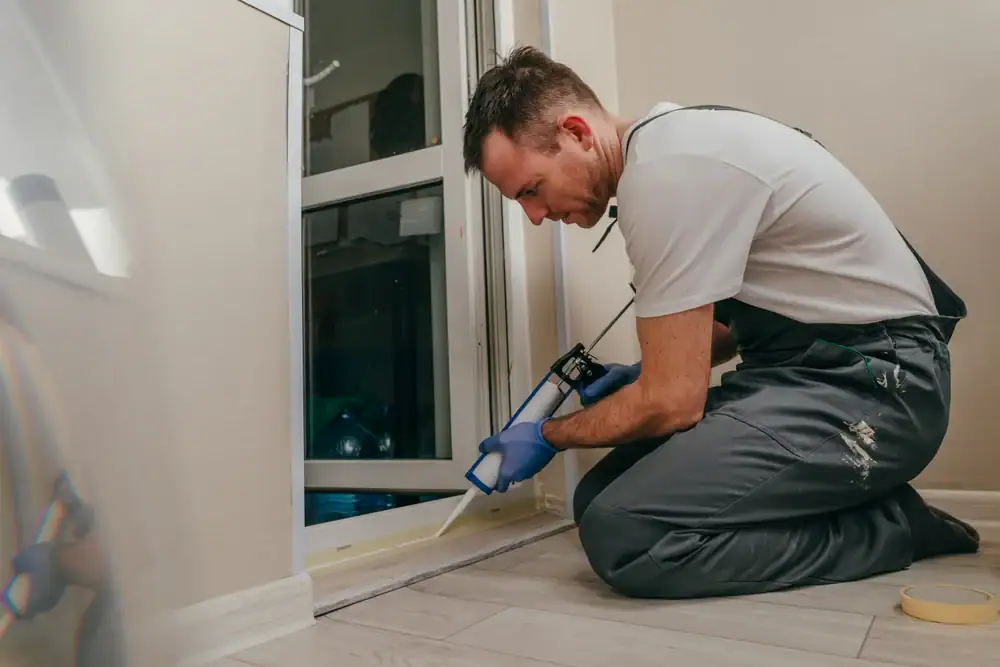
You stop worrying every time rain hits. You stop checking the basement after every storm, wondering if this is the time it floods again. You stop dealing with that damp smell, the mold concerns, and the nagging thought that your foundation is slowly getting worse.
A dry basement means you can actually use that space. Store what matters without ruining it. Breathe cleaner air upstairs. Sleep through storms without wondering what you’ll find in the morning.
It also means your home value stays protected. Because a wet basement doesn’t just cost you peace of mind—it costs you money when you try to sell, and it costs you more the longer you wait to fix it. Most waterproofing systems last decades without maintenance when installed correctly. That’s not a band-aid. That’s a permanent fix.
We’re a family-run waterproofing company serving Sanatoga and Montgomery County for over 15 years. We’re not a national franchise with high-pressure sales tactics. We’re local, and we treat your foundation like it’s ours.
Sanatoga sits in an area where spring rains and summer storms don’t mess around. Clay-heavy soil, older homes, and Pennsylvania’s freeze-thaw cycles create the perfect recipe for basement water problems. We’ve seen it all, and we know what works here.
You get a free estimate, a clear explanation of what’s wrong, and options that fit your budget. No upselling. No scare tactics. Just honest recommendations backed by a lifetime transferable warranty.
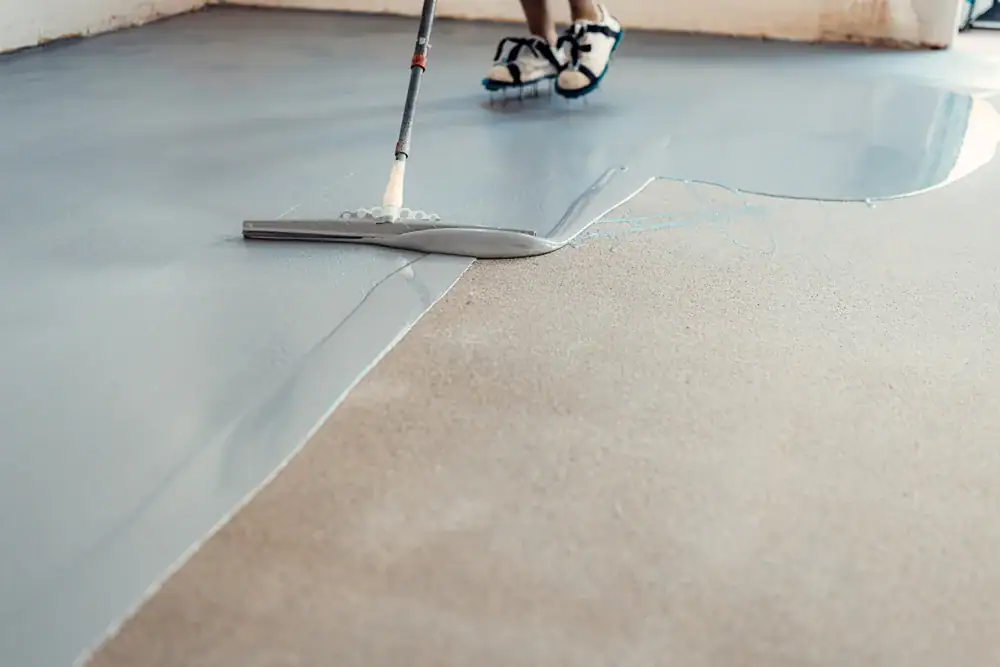
First, we come out and inspect your basement for free. We’re looking at where water’s coming in, what’s causing it, and what condition your foundation is in. You get a full report of what we find—no hidden issues, no surprises later.
Next, we recommend a solution. That might be interior waterproofing with a drainage system and sump pump if you want the most cost-effective fix. Or it might be exterior waterproofing if your foundation needs a full membrane and proper grading. We’ll explain both, show you the difference, and let you decide.
Then we do the work. Most jobs don’t require you to move out. We keep disruption minimal, clean up daily, and finish on schedule. Once it’s done, you get a lifetime transferable warranty on the system. If you sell the house, the warranty goes with it—that’s value buyers notice.
Ready to get started?
You get a complete system designed for Pennsylvania weather. That includes interior drainage if needed—our Sub Floor Pressure Relief System is a modern alternative to outdated French drains, and it’s recommended by structural engineers. It handles hydrostatic pressure better and lasts longer.
If your foundation has cracks, we seal them properly. If you need a sump pump, we install one that can handle Sanatoga’s heavy spring rains and summer downpours. If your basement walls are bowing or showing structural issues, we address that too with foundation repair solutions.
Sanatoga gets an average of 35 to 54 inches of precipitation a year, with March and April being the worst months for basement flooding. That’s when the water table rises and unprepared basements take on water fast—sometimes four inches in one storm. Our systems are built to handle that kind of volume, not just light seepage. You’re not getting a temporary patch. You’re getting a system designed to outlast your mortgage.
Most basement waterproofing projects in Sanatoga run between $3,000 and $10,000, depending on the size of your basement, the severity of the problem, and whether you need interior or exterior work. Interior waterproofing with a drainage system and sump pump is usually on the lower end. Exterior waterproofing with excavation and foundation membranes costs more but addresses the problem at the source.
We give you a free estimate after inspecting your basement. You’ll know exactly what’s wrong, what it’ll take to fix it, and what it costs before we start. No hidden fees, no surprises.
The cost might seem high upfront, but compare it to the alternative: ongoing water damage, mold remediation, foundation repairs that get worse over time, and a hit to your home’s value when you try to sell. Waterproofing is an investment that protects everything else.
A properly installed waterproofing system lasts for decades—often the life of your home—with little to no maintenance. Interior drainage systems like our Sub Floor Pressure Relief System are built to handle hydrostatic pressure for 20, 30, even 40+ years. Sump pumps may need occasional checks, but the system itself doesn’t wear out.
Exterior waterproofing with foundation membranes and proper drainage also lasts the life of the home when done right. That’s why we back our work with a lifetime transferable warranty. If something fails, we fix it. If you sell the house, the new owner gets the same protection.
The key is doing it right the first time. Cheap fixes fail. Outdated methods like basic French drains clog and stop working. We use modern systems designed for Pennsylvania’s soil and climate, so you’re not calling us back in five years to redo it.
Sanatoga basements flood because of a combination of heavy rain, clay-heavy soil, and hydrostatic pressure. When it rains hard—especially in March and April—the ground gets saturated fast. Water has nowhere to go, so it pushes against your foundation. If there are cracks, gaps, or weak points, water finds its way in.
Pennsylvania’s freeze-thaw cycles make it worse. Water seeps into small cracks, freezes, expands, and makes those cracks bigger. Over time, even a solid foundation develops weak spots. Add in poor grading around the house or clogged gutters, and you’ve got a recipe for a wet basement.
Once your basement floods, it’s going to happen again unless you fix the root cause. Water doesn’t stop coming just because you dry things out. You need a system that manages that water before it gets inside—either by draining it away from the foundation or channeling it out through an interior system.
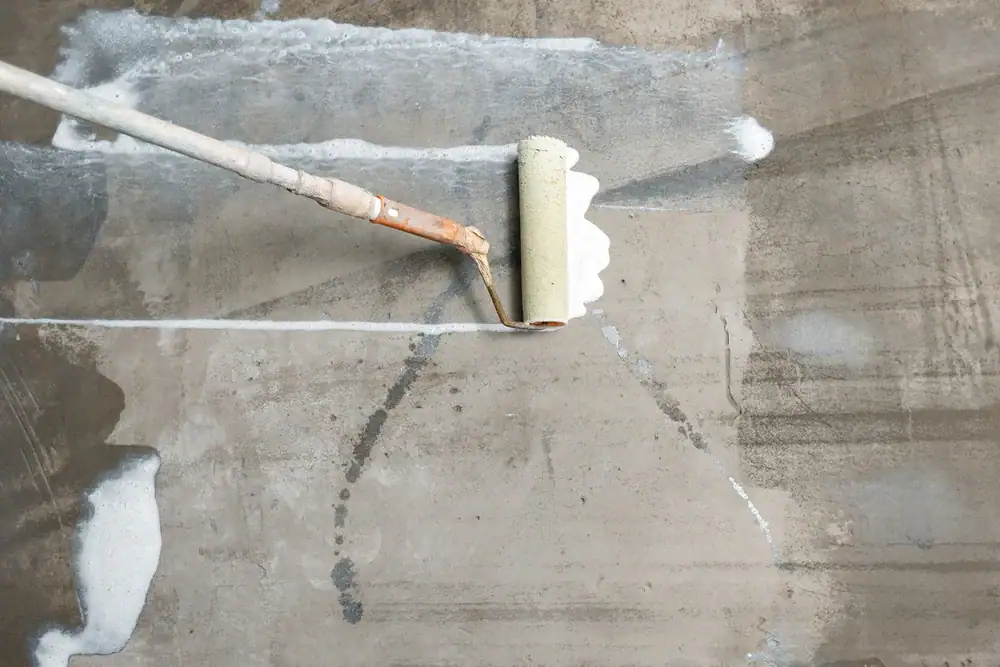
You can try, but most DIY waterproofing fails because it doesn’t address the real problem. Painting on a sealant or patching a crack might stop a small leak temporarily, but it won’t handle hydrostatic pressure or ongoing water intrusion. Water finds another way in, and you’re back where you started—except now you’ve wasted time and money.
Basement waterproofing requires understanding how water moves through soil, how foundations are built, and what systems actually work long-term. It also requires equipment most homeowners don’t have—jackhammers for interior drainage, excavation equipment for exterior work, proper sump pump installation.
If your basement has minor moisture issues and you want to try a DIY sealant, go for it. But if you’re dealing with recurring flooding, foundation cracks, or standing water after storms, call someone who knows what they’re doing. A failed DIY job just means you’ll pay more later to fix it properly.
Exterior waterproofing is more thorough because it stops water before it reaches your foundation. You excavate around the house, apply a waterproof membrane, install drainage, and regrade the soil. It’s the gold standard, but it’s also more expensive and more disruptive.
Interior waterproofing is more cost-effective and less invasive. We install a drainage system inside the basement that captures water and pumps it out before it floods your space. It doesn’t stop water from touching your foundation, but it keeps your basement dry, and that’s what most homeowners care about.
Which one’s better depends on your situation. If your foundation is in rough shape or you’re dealing with severe water pressure, exterior might be the smarter move. If your foundation is solid and you just need to manage water that’s getting in, interior works great. We’ll inspect your basement and recommend what makes sense for your home and your budget.
Yes, if you eliminate the moisture. Mold grows when there’s consistent dampness, and a wet basement is the perfect environment for it. Once you waterproof and keep water out, mold loses its food source. No moisture, no mold problem.
If you already have mold, waterproofing alone won’t remove it—you’ll need to clean or remediate the existing growth first. But once your basement is dry, mold won’t come back as long as the waterproofing system keeps working.
This matters for more than just the smell. Mold affects your indoor air quality throughout the house, not just the basement. It can trigger asthma, allergies, and respiratory issues, especially in kids and older adults. A dry basement means healthier air upstairs, and that’s worth the investment.
Other Services we provide in Sanatoga