Hear from Our Customers
You’re not looking for a temporary fix. You need a basement that doesn’t flood when the snow melts in March or when summer storms roll through Upper Moreland.
That means no more moving boxes off the floor every time rain’s in the forecast. No more running downstairs during a storm to check if water’s coming in. No more wondering if that musty smell is mold growing behind your finished walls.
A proper waterproofing system handles the water before it becomes your problem. It redirects groundwater away from your foundation, relieves hydrostatic pressure under your floor, and keeps your basement livable year-round. That’s what you get when the job’s done right—not just drier air, but actual protection that lasts decades.
We’ve been serving Upper Moreland and the Delaware Valley since 2007. We’re not a franchise or a national chain—we’re a family-run waterproofing contractor that shows up, does the work, and stands behind it with a lifetime warranty that transfers if you sell.
Upper Moreland has real drainage problems. The township’s stormwater system is undersized and aging, which means basements here take on water more often than they should. We’ve worked in enough homes around here to know where the trouble spots are and what actually fixes them.
Our approach is straightforward. We assess your foundation, explain what’s happening and why, and recommend a system that fits your home—not the most expensive option, just the right one.
Here’s what happens when you call us. We schedule a free estimate at your home. During that visit, we inspect your basement, check for cracks, measure moisture levels, and figure out where the water’s getting in. We’re looking at your foundation walls, floor joints, window wells, and grading around the house.
After the inspection, we explain what we found and what needs to happen to fix it. If you need a sub-floor pressure relief system, we’ll tell you why it works better than an old French drain. If exterior waterproofing makes more sense, we’ll walk through that process too.
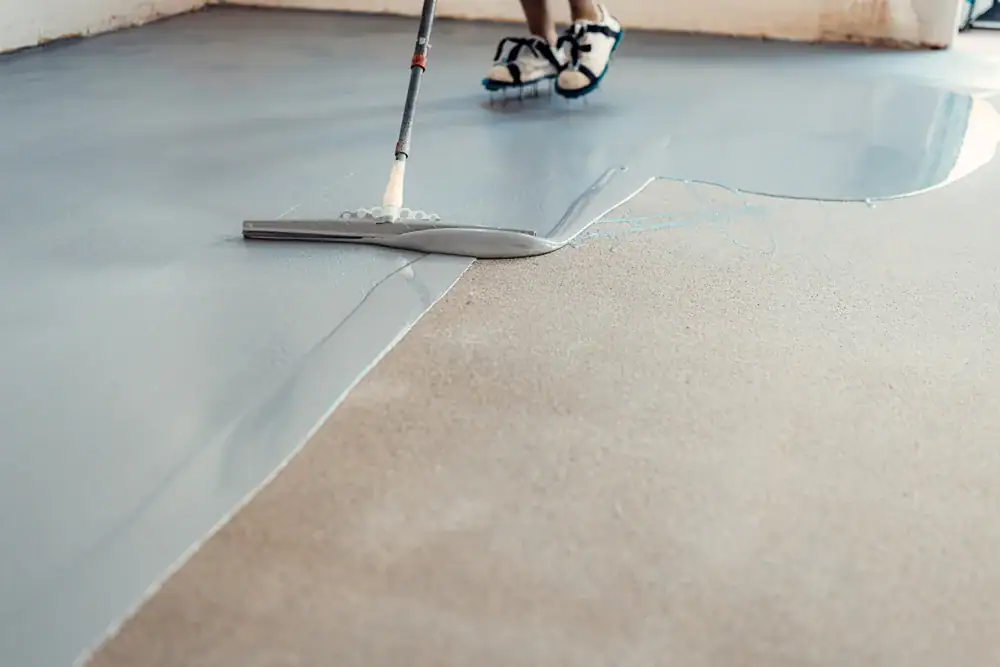
Once you approve the plan, we schedule the install. Most jobs take one to three days depending on the scope. You can stay in your house while we work—this isn’t a gut job. We install drainage systems, sump pumps, vapor barriers, or exterior membranes depending on what your home needs. When we’re done, we test the system, clean up, and walk you through how everything works.
Ready to get started?
A real waterproofing system doesn’t just patch cracks. It manages water at the source—before it gets inside your basement.
Our sub-floor pressure relief system is the core of most installs. It’s installed along the interior perimeter of your basement and relieves hydrostatic pressure that builds up under your slab. That pressure is what forces water through your floor and walls during heavy rain or snowmelt—common in Upper Moreland from late winter through spring. The system captures that water and directs it to a sump pump, which removes it from your home entirely.
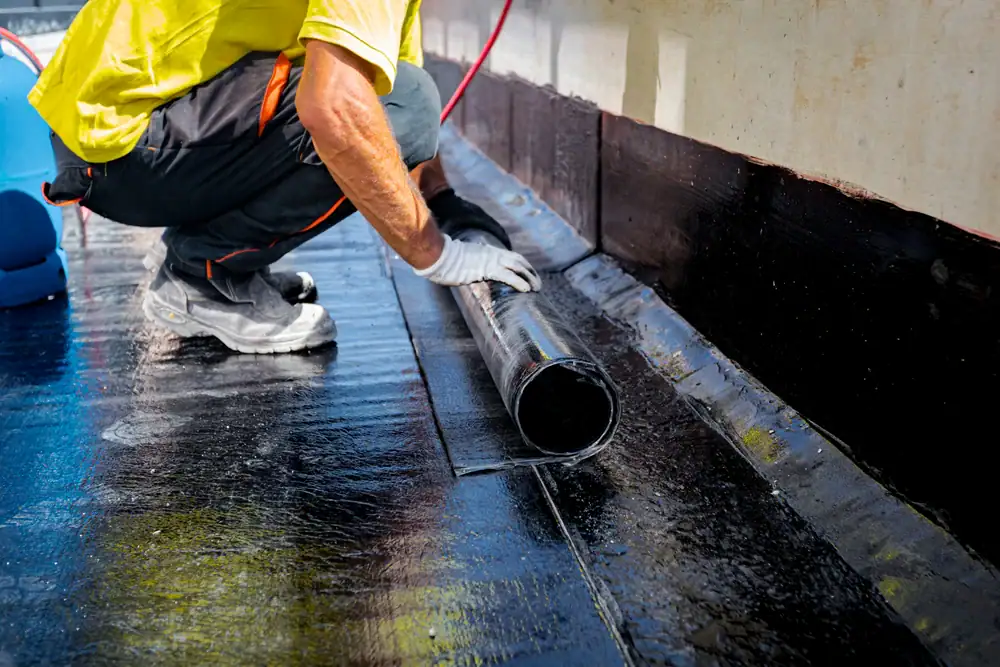
We also handle exterior waterproofing when needed. That means excavating around your foundation, applying a waterproof membrane, installing drainage board, and regrading soil to move water away from your house. It’s more invasive, but sometimes it’s the right move—especially for older homes with foundation issues.
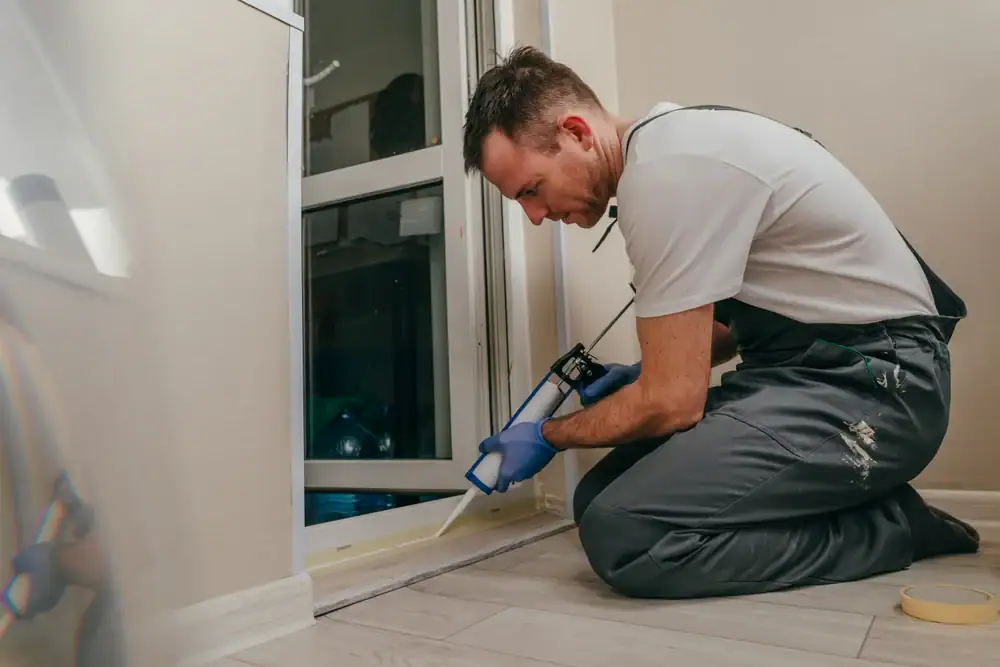
Interior solutions include vapor barriers, wall sealants, and crack injection. These work for homes with minor seepage or humidity problems. Every system we install comes with a lifetime transferable warranty, which protects you and adds value if you sell.
Cost depends on the size of your basement, the severity of the water problem, and what type of system you need. Interior drainage systems with a sump pump typically run between $3,000 and $8,000 for an average-sized basement. Exterior waterproofing costs more—usually $8,000 to $15,000—because it involves excavation and more labor.
If you just need crack repair or a vapor barrier, you’re looking at the lower end. If your foundation has structural issues or you’re dealing with constant flooding, the price goes up. We give free estimates and break down exactly what you’re paying for, so there’s no confusion.
One thing to keep in mind: basement waterproofing can increase your home’s value by 400% or more of what you spend. It also prevents bigger problems down the road—like mold remediation, foundation repair, or replacing damaged belongings. Spending a few thousand now beats spending tens of thousands later.
Upper Moreland has a stormwater problem. The township’s drainage infrastructure is outdated and undersized, which means heavy rain overwhelms the system and water has nowhere to go but into the ground. That raises the water table and increases hydrostatic pressure under your basement slab.
Pennsylvania soil doesn’t help either. Clay-heavy soil doesn’t drain well, so water sits around your foundation longer than it should. Add in spring snowmelt and summer storms, and you’ve got a recipe for wet basements.
Most homes here were built before modern waterproofing standards existed. That means no interior drainage, no sump pump, and no vapor barrier. Cracks in your foundation, poorly graded soil, and clogged gutters make it worse. Water finds the path of least resistance—and that’s usually through your basement floor or walls.
A properly installed waterproofing system lasts decades. Our sub-floor pressure relief systems are built to last the life of your home with minimal maintenance. The materials don’t degrade, and the design doesn’t rely on anything that wears out quickly.
Sump pumps are the one component that may need replacement eventually—usually every 10 to 15 years depending on how often they run. We use high-quality pumps with battery backup systems, so even if you lose power during a storm, your basement stays dry.
Exterior waterproofing membranes last 20 to 30 years or more if installed correctly. Interior vapor barriers and sealants hold up just as long. The key is proper installation and using the right materials for your specific situation. That’s why we don’t cut corners or push cheap fixes—they don’t last, and you end up paying twice.
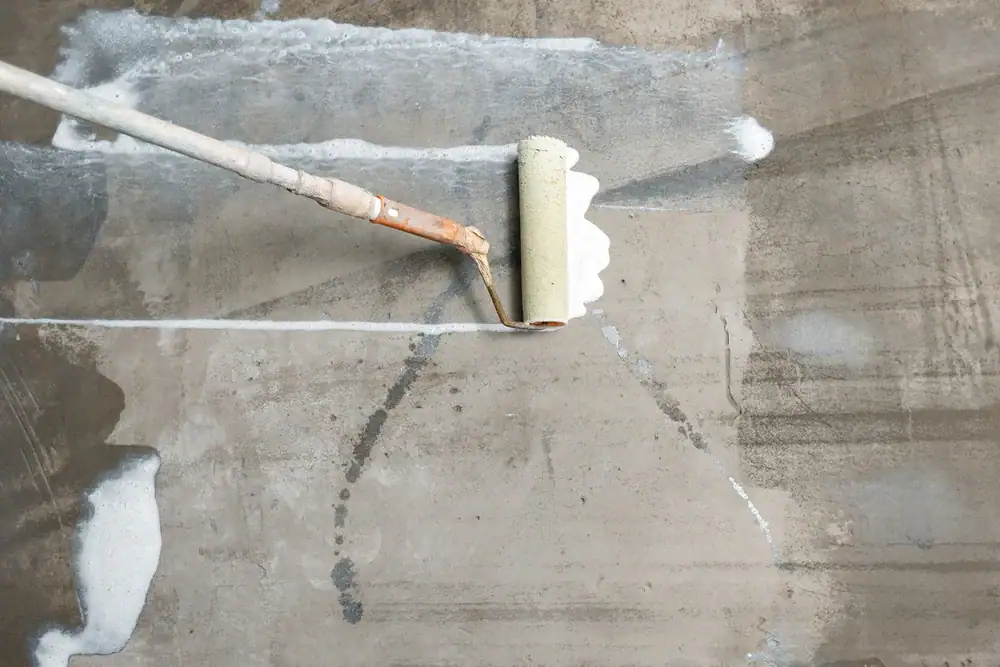
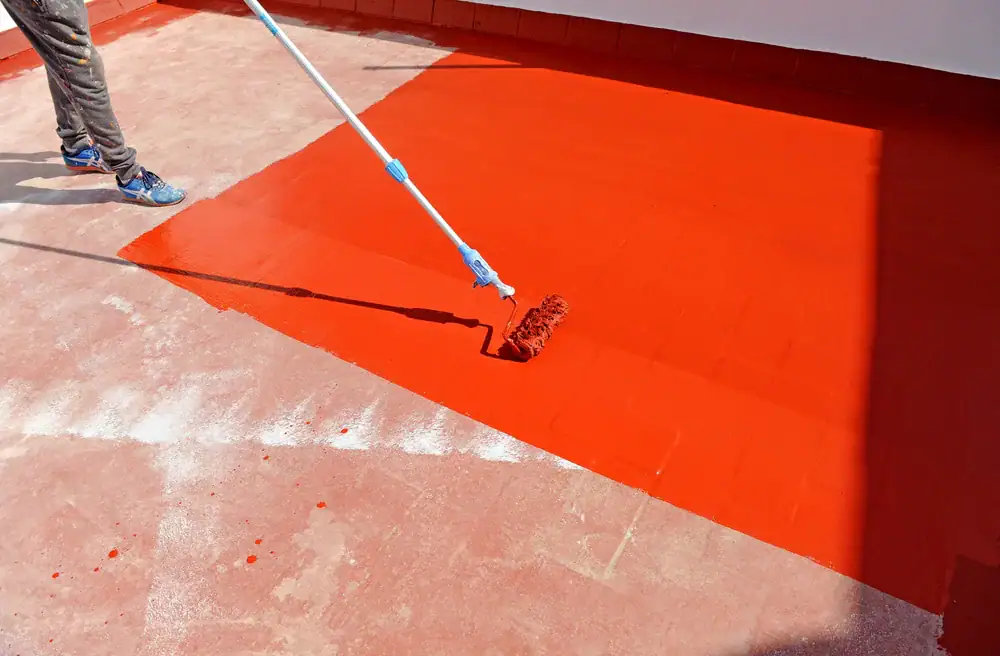
You can try, but most DIY waterproofing doesn’t work long-term. Sealing cracks from the inside or painting on waterproof coatings might stop minor seepage temporarily, but they don’t address the real issue—hydrostatic pressure pushing water through your foundation.
Water doesn’t care about surface treatments. If pressure’s building up under your slab or behind your walls, it’ll find another way in. You’ll end up chasing leaks every few months instead of fixing the root cause.
Installing a proper drainage system requires excavation, grading knowledge, and understanding how water moves around a foundation. Sump pumps need to be sized correctly and installed with backup power. Exterior waterproofing involves digging around your foundation without damaging it. These aren’t weekend projects—they’re jobs that need experience and the right equipment. A bad install can make things worse and cost more to fix later.
Yes, but only if you eliminate the moisture source. Mold grows when humidity stays above 60% and there’s organic material for it to feed on—like drywall, wood, or insulation. A wet basement checks both boxes.
Waterproofing stops water from getting into your basement in the first place. No water means lower humidity. Lower humidity means mold can’t grow. If you already have mold, you’ll need to remove it first—waterproofing won’t kill existing mold, it just prevents new growth.
Vapor barriers and dehumidifiers help too, especially in basements that don’t flood but stay damp. We often recommend pairing a waterproofing system with a good dehumidifier if your basement’s finished or if you store belongings down there. The combination keeps humidity in check year-round and protects your indoor air quality.
Interior waterproofing manages water after it enters your foundation. It uses drainage systems installed along the inside perimeter of your basement to capture water and pump it out before it floods your floor. It’s less invasive, faster to install, and works well for most homes dealing with groundwater pressure.
Exterior waterproofing stops water before it reaches your foundation. It involves digging around the outside of your house, applying a waterproof membrane to your foundation walls, installing drainage board, and regrading the soil. It’s more expensive and disruptive, but it’s necessary if your foundation has cracks, structural damage, or if water’s coming through your walls instead of the floor.
Most homes in Upper Moreland do fine with interior systems. Exterior work makes sense if you’re already doing foundation repairs or if interior solutions haven’t worked. We assess your situation and recommend what actually fits your home—not what makes us the most money.
Other Services we provide in Upper Moreland