
Hear from Our Customers
You walk downstairs and the floor’s dry. Your storage stays intact. The air smells normal, not damp or musty.
That’s what happens when a residential waterproofing company fixes the problem at the source instead of just mopping up the mess. You stop worrying every time it rains. You stop checking the basement after storms. You use the space the way you’re supposed to—without plastic bins stacked on pallets or that nagging feeling that something’s about to get ruined.
Main Line homes sit on clay soil that holds water like a sponge. When it rains, that water pushes against your foundation with serious force—sometimes over 60 pounds per square foot. If your basement leaks now, it’ll keep leaking until someone addresses the pressure, the drainage, and the entry points. Waterproofing done right means you don’t deal with this again.
Del Val Basement Waterproofing is a family-owned waterproofing contractor based in Plymouth Meeting. We’ve spent over 15 years working in Montgomery County, Delaware County, and throughout the greater Philadelphia area—which means we know exactly what Villanova basements deal with.
The hills, the clay, the old stone foundations—we’ve seen it all. We’re not a national franchise following a script. We’re local, we show up when we say we will, and we back our work with a lifetime transferable warranty on every waterproofing job.
You’re not getting a sales pitch. You’re getting an honest assessment, a clear plan, and a system that actually works for the long term.
First, we inspect your basement to figure out where the water’s coming from and why. That means looking at grading, drainage, cracks, hydrostatic pressure—the whole picture. You get a clear explanation of what’s happening and what needs to happen to fix it.
Next, we recommend the right system for your situation. That could be interior waterproofing with a sub-floor pressure relief system, exterior waterproofing and foundation sealing, sump pump installation, or a combination depending on what your home needs. We don’t upsell. We solve the problem.
Then we do the work. Our crew handles everything from excavation to drainage installation to sealing and cleanup. You’ll know the timeline upfront, and we’ll keep the disruption as minimal as possible.
Once it’s done, you get a lifetime transferable warranty. If you sell the house, the warranty goes with it—which is a selling point buyers actually care about.
Ready to get started?
Every job starts with a full inspection and a written plan. You’ll know what we’re doing, why we’re doing it, and what it costs before we start.
For interior work, we typically install a sub-floor pressure relief system—a modern alternative to outdated French drains that manages groundwater before it enters your basement. We also handle sump pump installation, vapor barriers, and crack sealing as needed. For exterior waterproofing, we excavate around the foundation, apply a waterproof membrane, install drainage systems, and regrade to direct water away from your home.
Villanova homes—especially older ones near the Main Line—often need both interior and exterior solutions because of how the properties are graded and how much water moves through the soil during heavy rain. Clay doesn’t drain. It holds. That’s why so many basements here flood after moderate storms, not just severe ones.
We also handle foundation repair, crawl space encapsulation, and mold remediation if moisture has already caused damage. The goal is to stop the water, fix what it broke, and make sure it doesn’t come back.
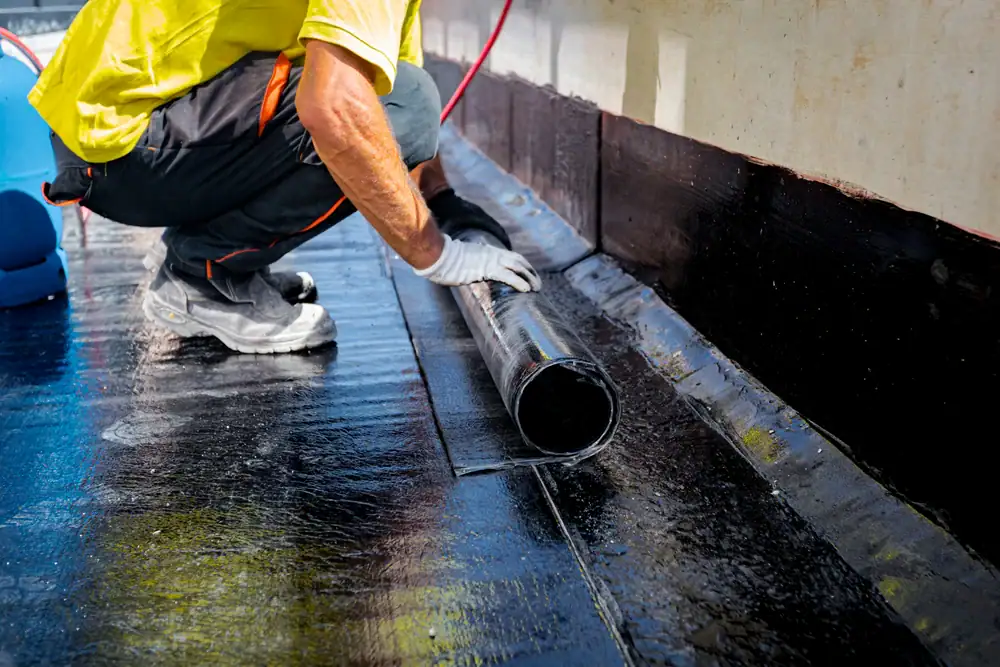
Most basement waterproofing projects in Villanova run between $3,000 and $10,000, depending on the size of your basement, the severity of the water problem, and whether you need interior work, exterior work, or both. A straightforward interior system with a sump pump and drainage typically falls on the lower end. Full exterior excavation and foundation sealing costs more because of the labor and materials involved.
Here’s what affects price: the length of wall that needs waterproofing, how much excavation is required, whether your foundation has cracks that need repair, and what kind of drainage system makes sense for your property. Homes on slopes or with poor grading often need more extensive work.
We give you a written estimate after the inspection so there’s no guessing. And because we’re a local waterproofing company, not a big franchise, you’re getting fair pricing without the overhead markup.
Interior waterproofing manages water that’s already trying to get in. We install a sub-floor pressure relief system that captures groundwater before it enters your basement, then routes it to a sump pump that pushes it away from your foundation. It’s less invasive, costs less, and works well for most homes dealing with hydrostatic pressure or minor seepage.
Exterior waterproofing stops water before it ever reaches your foundation walls. We excavate around the outside of your home, apply a waterproof membrane to the foundation, install drainage systems, and regrade the soil to direct water away. It’s more comprehensive and lasts longer—up to 10 years or more—but it’s also more expensive and requires digging up landscaping.
Some homes need both. If your foundation has cracks or the exterior walls are compromised, interior drainage alone won’t solve it. We’ll tell you what your home actually needs based on what we see during the inspection, not based on what’s easier to sell.
Interior waterproofing systems are designed to last for the life of your home if they’re installed correctly and maintained. The drainage channels and sump pump do the heavy lifting, and as long as the pump stays functional, the system keeps working. Most sump pumps last 7 to 10 years before they need replacing, but the drainage itself doesn’t wear out.
Exterior waterproofing typically lasts 10 years or longer, depending on soil conditions and how much water your property deals with. The waterproof membrane we apply to your foundation is durable, but it’s exposed to soil, roots, and shifting ground over time.
That’s why we back our work with a lifetime transferable warranty. If something fails, we come back and fix it. You’re not paying twice for the same problem. And if you sell your home, the warranty transfers to the next owner—which is a real advantage when you’re trying to close a deal in Villanova’s competitive market.
Villanova sits in an area with heavy clay soil, steep terrain, and older homes that weren’t built with modern drainage systems. Clay doesn’t absorb water—it holds it. When it rains, that water has nowhere to go except against your foundation. Add in hills that channel runoff toward your property, and you’ve got a recipe for wet basements.
Hydrostatic pressure is the real problem. Saturated soil pushes water through cracks, seams, and porous concrete with surprising force. Even small cracks turn into major leaks when the pressure builds up after a storm. And because so many homes here were built decades ago, the foundation materials and construction methods weren’t designed to handle the kind of water volume we see now.
If your basement stays dry most of the year but floods during heavy rain, that’s hydrostatic pressure. If it’s damp all the time, you’ve probably got a grading issue or a high water table. Either way, it won’t fix itself. The longer you wait, the worse it gets and the more expensive the repairs become.
You can seal small cracks and apply waterproof paint, but that’s not the same as actually waterproofing your basement. Real waterproofing addresses the source of the water—hydrostatic pressure, poor drainage, foundation damage—not just the symptoms. DIY products might slow down minor seepage, but they won’t stop water that’s being forced through your foundation by saturated soil.
Installing a sub-floor drainage system or excavating for exterior waterproofing requires equipment, expertise, and an understanding of how water moves through your specific property. If you don’t install it correctly, you’re just moving the problem somewhere else—or making it worse.
Most homeowners who try to DIY it end up calling a waterproofing contractor after the first big storm proves it didn’t work. You’re better off getting it done right the first time, especially when you factor in the cost of materials, tools, and the time you’ll spend digging. Plus, professional work comes with a warranty. Your own work doesn’t.
Water doesn’t just sit there. It damages your foundation, encourages mold growth, ruins anything you’re storing, and creates air quality problems that affect your entire home. Mold and mildew thrive in damp environments, and once they take hold, they spread fast. That leads to respiratory issues, allergies, and a smell that’s hard to get rid of.
Structural damage is the bigger concern. Constant moisture weakens your foundation over time. Cracks get wider. Walls start to bow. Floors above the basement can become uneven. What starts as a small puddle after heavy rain turns into a major repair project that costs five or ten times more than waterproofing would have.
And if you’re planning to sell, a wet basement is a deal-killer. Buyers will either walk away or demand a massive price reduction to cover the cost of fixing it themselves. A dry basement with a transferable lifetime warranty is a selling point. A flooded one is a liability.
Other Services we provide in Villanova