Hear from Our Customers
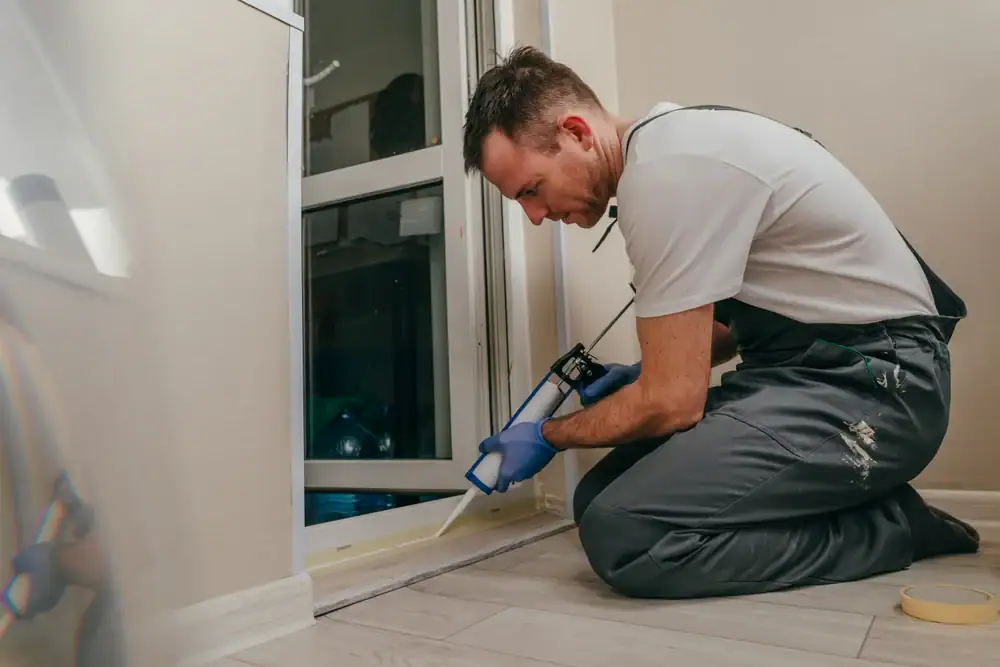
You stop worrying every time rain hits the forecast. Your finished basement stays usable year-round without that musty smell creeping back in. Your kids can play downstairs without you wondering what’s growing behind the drywall.
A proper waterproofing system means your sump pump isn’t the only thing standing between you and a flooded basement. You’re not replacing ruined furniture or dealing with insurance claims after every storm. Your heating and cooling bills drop because wet insulation isn’t killing your HVAC efficiency.
And when it’s time to sell? You’ve got documentation showing buyers your basement is protected. No awkward conversations about “minor water issues” or price cuts because someone spotted efflorescence on your foundation walls.
We’re a family-run waterproofing company that’s been working in Chester County for over 15 years. We’re not a national franchise with rotating crews—same family, same standards, same phone number.
West Bradford’s clay soil and aging home infrastructure create specific drainage challenges. We’ve seen how water moves through properties here, especially during spring thaw and summer storms when Broad Run and Marsh Creek overflow. Your neighbors have the same foundation issues you do, and we’ve probably already fixed a few of them.
We offer a Lifetime Transferable Warranty because we install systems that last. You’re not calling us back in five years for repairs.
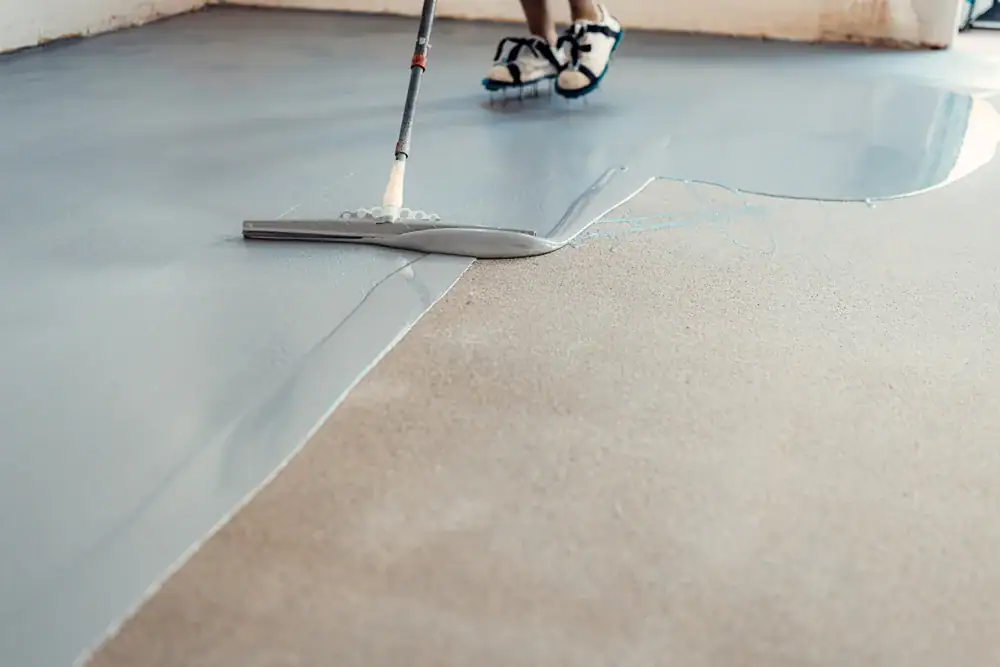
First, we come out for a free inspection. We’re looking at your foundation walls, checking for hydrostatic pressure signs, examining your existing drainage, and figuring out where water’s actually entering. This takes about an hour and you’ll get straight answers, not a sales pitch.
If you need waterproofing, we’ll explain what system makes sense for your specific situation. Most West Bradford homes need our Sub-Floor Pressure Relief System—it’s more reliable than outdated French drains and handles the water table issues common in this area. We’ll also tell you if exterior waterproofing makes more sense, or if you need both.
Installation is usually 1-3 days depending on your basement size. We’re not tearing up your whole foundation—this is a targeted fix. We install the drainage system, seal the walls if needed, and make sure your sump pump setup can handle the water volume. You can stay home during the work. It’s not silent, but it’s not a construction war zone either.
After we’re done, we test everything before we leave. You’ll see exactly how the system handles water, and we’ll walk you through maintenance—which is minimal.
Ready to get started?
Our Sub-Floor Pressure Relief System is the core of what we do. It’s recommended by structural engineers because it addresses hydrostatic pressure—the force pushing water through your foundation. This isn’t a band-aid fix. It’s engineered drainage that redirects water before it enters your basement.
You’re also getting interior and exterior waterproofing options depending on what your foundation needs. Some West Bradford homes built in the 70s and 80s have exterior waterproofing that’s failed—we can address that. Newer homes might just need interior drainage and wall sealants.
We handle crawlspace waterproofing too, which matters here because many West Bradford properties have partial crawlspaces that flood and cause humidity problems in the main basement. And if you’ve got foundation cracks or bowing walls, we repair those as part of the waterproofing process—not as an upsell later.
The Lifetime Transferable Warranty covers the system and labor. If you sell your house, the warranty transfers to the new owner. That’s documentation you can show buyers that your basement is actually protected, not just “fine for now.”
Most interior waterproofing projects in West Bradford run between $3,000 and $8,000 depending on your basement size and how much drainage work is needed. If you’ve got foundation cracks or need exterior waterproofing, you’re looking at more.
The price covers the drainage system installation, sump pump setup, wall sealants, and the warranty. We don’t charge extra for the inspection or estimate, and we’re not adding fees for “emergency service” if you call during a flood.
Here’s what affects cost: basement square footage, how many walls need waterproofing, whether your foundation has structural issues, and if we’re working around finished spaces. A 1,000 square foot unfinished basement with standard drainage needs costs less than a 2,000 square foot finished basement with foundation cracks and exterior water problems. We’ll give you an exact number after the inspection—no range-based estimates that change later.
Our Sub-Floor Pressure Relief System lasts decades when installed correctly. The drainage components are designed for 20-30+ years of continuous use, and the sump pump setup should run 7-10 years before you need a replacement pump—which is normal wear and tear for any mechanical component.
The Lifetime Transferable Warranty covers the system itself, not the sump pump motor. That’s standard across the waterproofing industry because pumps are mechanical parts that eventually wear out, like your HVAC system or water heater.
What fails on cheaper systems is the drainage design. If the system isn’t handling hydrostatic pressure correctly, it’ll clog or overflow within a few years. That’s why we use engineer-recommended drainage instead of basic French drains. You’re not calling us back in five years because water’s coming in again—the system keeps working because it’s built to handle West Bradford’s soil conditions and water table.
Waterproofing stops the moisture that mold needs to grow. If your basement stays dry, mold can’t establish itself. But if you already have mold, waterproofing alone won’t remove it—you’ll need mold remediation first, then waterproofing to prevent it from coming back.
Mold grows within 24-48 hours of water exposure, and Pennsylvania’s humidity makes it spread faster. That musty smell in your basement? That’s mold releasing spores. It’s not just unpleasant—it’s a respiratory hazard, especially for kids and anyone with asthma or allergies.
Once we install waterproofing, your basement humidity drops because water isn’t seeping through the foundation anymore. No standing water, no damp walls, no environment for mold to thrive. You’ll notice the smell goes away within a few weeks as the space dries out. If you’ve got visible mold on walls or belongings, get that professionally removed before we waterproof. Then the system keeps it from returning.
Most West Bradford homes need interior waterproofing because it’s more cost-effective and handles the hydrostatic pressure issues common in this area. Exterior waterproofing makes sense if your foundation walls are actively deteriorating or if you’re already excavating for another project.
Interior systems work by managing water after it enters the foundation but before it reaches your basement floor. The Sub-Floor Pressure Relief System redirects that water to your sump pump and out of your house. It’s less invasive than exterior work, costs less, and solves the problem for 90% of homes.
Exterior waterproofing means excavating around your foundation, applying waterproof coatings and membranes, and installing exterior drainage. It’s necessary if your foundation walls are crumbling or if you’ve got severe exterior water pooling that interior systems can’t handle. We’ll tell you during the inspection which approach your house actually needs. Some properties need both—interior drainage for ongoing protection and exterior work to fix structural foundation damage.
A sump pump is one component of a waterproofing system—it’s the pump that removes water after the drainage system collects it. The waterproofing system is the full setup: drainage channels, collection points, sump basin, pump, and discharge lines that move water away from your foundation.
Just installing a sump pump without proper drainage is like putting a bucket under a leaking roof. It’ll catch some water, but it’s not stopping the leak. You need the drainage system to channel water to the pump efficiently, and you need the pump powerful enough to handle your basement’s water volume during heavy storms.
We install both as part of the waterproofing process. The drainage system captures water coming through your foundation and directs it to the sump basin. The pump activates when water reaches a certain level and discharges it outside, away from your house. If your pump fails or loses power during a storm, you’ll flood—that’s why we recommend battery backup systems for West Bradford homes. Spring storms and summer downpours can knock out power right when you need your pump most.
You can apply waterproof paint or sealants yourself, but that’s surface-level treatment that won’t stop water coming through your foundation under pressure. Real waterproofing requires drainage system installation, proper grading, and sump pump setup—that’s not a DIY project unless you’ve got excavation equipment and drainage engineering experience.
The issue with DIY waterproofing is diagnosing where water’s actually entering and why. Is it hydrostatic pressure from the water table? Poor exterior grading? Foundation cracks? Failed footer drains? If you guess wrong, you’ll spend money on fixes that don’t work and still have a wet basement.
Professional waterproofing companies assess your specific situation, install systems designed for your foundation type and soil conditions, and warranty the work. If something fails, we fix it. If you install a system yourself and it doesn’t work, you’re starting over from scratch. For West Bradford’s clay soil and seasonal water table fluctuations, you need drainage that’s engineered for these conditions—not a generic system from a big box store.
Other Services we provide in West Bradford