
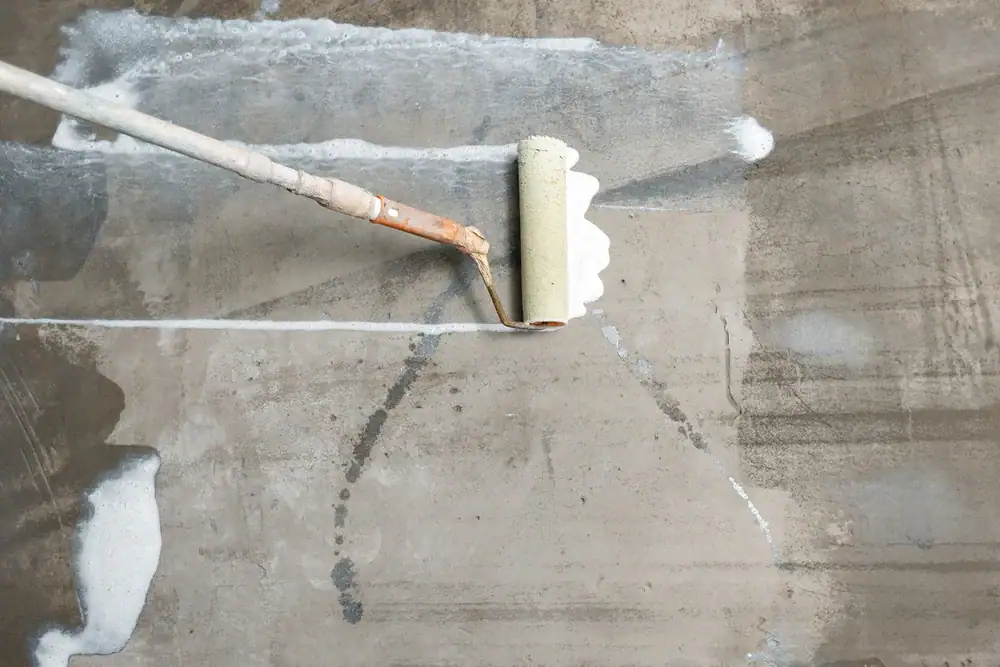
Hear from Our Customers
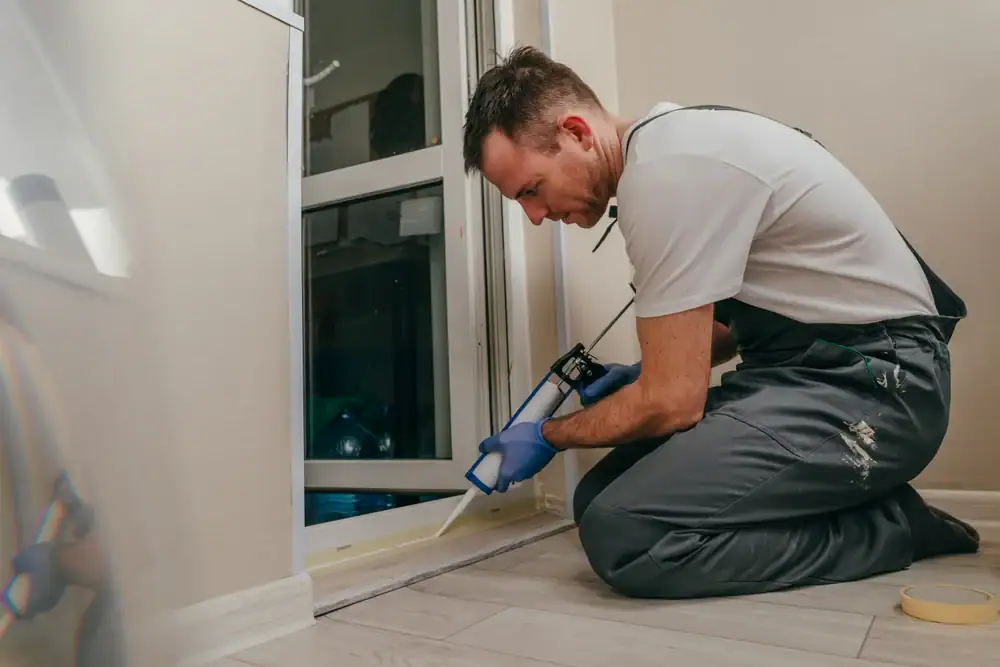
No more scrambling to move boxes when rain’s in the forecast. No more musty smell creeping upstairs. No more wondering if that crack is getting worse or if mold’s growing behind your drywall.
When your basement’s properly waterproofed, you stop reacting to every storm. You use that space the way you’re supposed to—storage, laundry, maybe even a finished room—without second-guessing whether it’ll flood next month.
And if you’re thinking about selling? A dry basement with a transferable warranty isn’t just peace of mind for you. It’s proof for the next buyer that this house was maintained right. That matters when comparable homes down the street are sitting on the market because of “minor moisture issues.”
Del Val Basement Waterproofing is a family-run waterproofing company serving West Brandywine and Chester County for over 15 years. We’re not a franchise. We’re not a call center routing you to the lowest bidder.
We know what Brandywine Creek flooding looks like when it crests. We were here during Hurricane Ida when the creek hit 21 feet—four feet higher than it ever had before. We’ve seen what happens to foundations in this area when water sits too long or drainage fails.
Every job we do comes with a lifetime transferable warranty. Not because we’re generous—because we use materials and methods that actually last. You shouldn’t have to waterproof your basement twice.
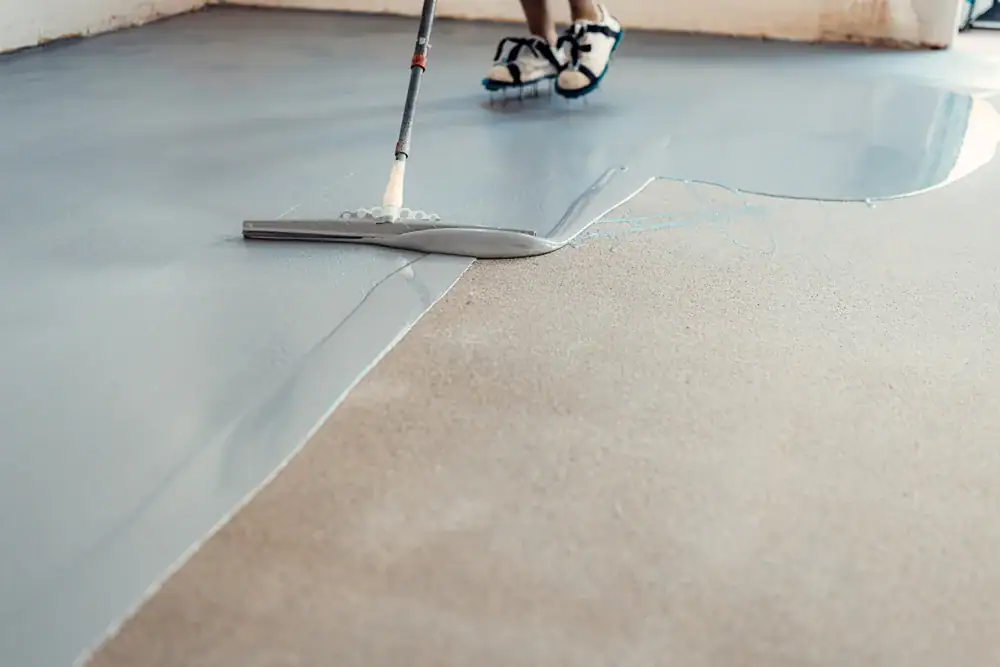
First, we come out and inspect your basement. Not a sales pitch—a real assessment. We’re looking at cracks, drainage patterns, grading around your foundation, where water’s getting in, and why it’s getting in.
Then we explain what’s actually wrong. If it’s a simple fix, we’ll tell you. If it needs exterior waterproofing or a full interior drainage system, we’ll walk you through what that looks like, how long it takes, and what it costs. No surprises.
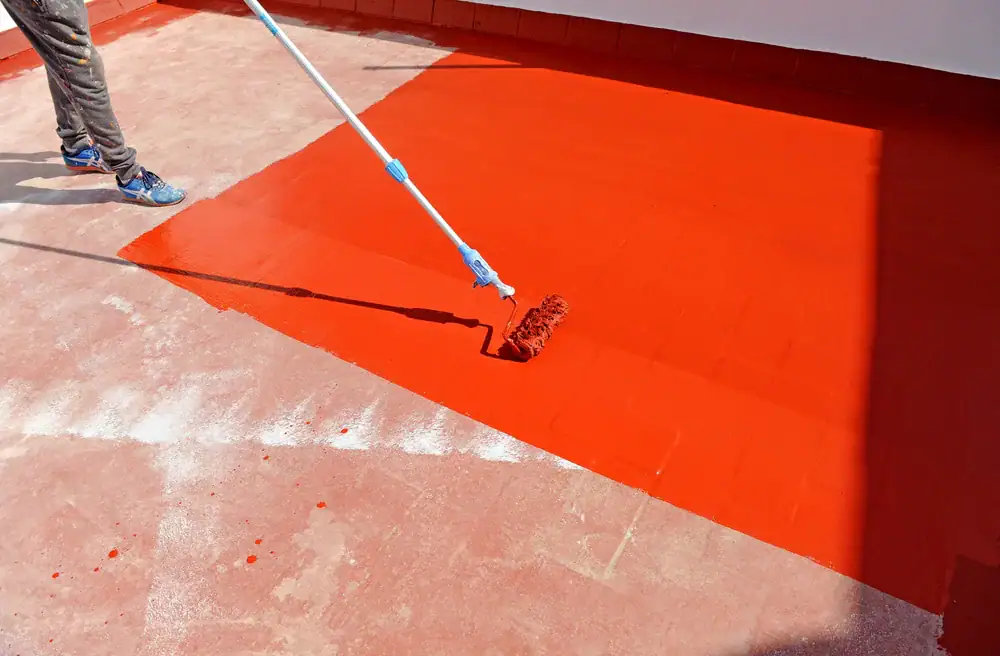
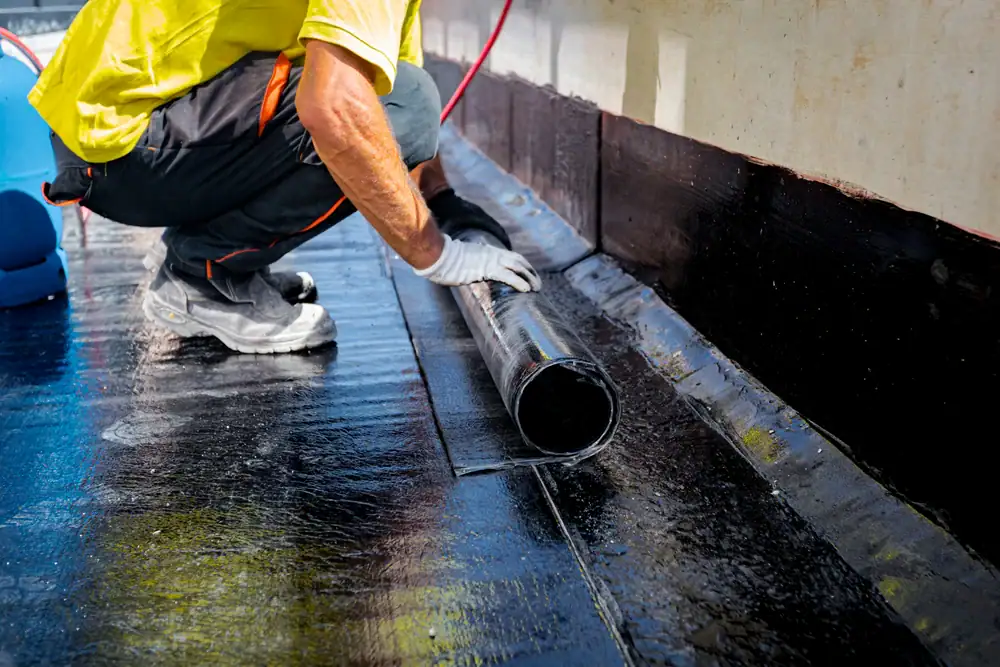
Once we start work, you’ll see us using waterproof membranes on the outside or installing drainage systems and sump pumps on the inside—depending on what your home needs. Most jobs don’t require you to move out. We work clean, we work fast, and we don’t leave a mess.
When we’re done, your basement’s dry. And it stays that way.
Ready to get started?
You’re not just getting a sump pump or some sealant slapped on a wall. You’re getting a system designed around your home’s specific drainage issues—and around West Brandywine’s specific water problems.
Exterior waterproofing means we excavate around your foundation, apply a waterproof membrane, install proper drainage, and regrade if needed. It’s the most thorough option and it lasts 20 to 30 years when done right. Interior waterproofing means we install a perimeter drainage system, a sump pump with battery backup, and vapor barriers to manage moisture. It’s less invasive and still highly effective for most basements.
We also handle foundation crack repair, crawl space encapsulation, and mold remediation if water damage has already started. Chester County has over 2,300 miles of streams and more than 250 known flood zones. Your home’s sitting in one of the most water-challenged regions in Pennsylvania. That’s not going to change. But how your basement handles it can.
Most basement waterproofing projects in this area run between $1,920 and $6,493, with the average landing around $4,206. That’s based on national data from the National Association of Home Builders, and it tracks pretty closely with what we see locally.
The range depends on whether you need interior or exterior work, how much square footage we’re covering, and whether there’s existing damage we need to address first. Interior systems with a sump pump and drainage usually cost less. Full exterior waterproofing with excavation and membrane application costs more—but it also lasts decades.
We give you a flat quote after the inspection. No hourly rates, no change orders unless you ask us to do something different. You’ll know the number before we start.
Exterior waterproofing stops water before it ever touches your foundation. We dig down to the footer, apply a waterproof membrane, install drainage tile, and regrade the soil so water moves away from your house. It’s the most permanent fix and the best option if you’re already excavating for another reason or if your foundation walls are actively deteriorating.
Interior waterproofing manages water after it enters the wall but before it floods your floor. We install a perimeter drain system inside the basement, route water to a sump pump, and use vapor barriers to control humidity. It’s less expensive, less invasive, and still keeps your basement dry in most situations.
If your foundation’s in good shape and you just need to control groundwater, interior is usually the smarter move. If your walls are cracking or bowing, exterior makes more sense. We’ll tell you which one fits your situation.
Exterior waterproofing done with quality materials lasts 20 to 30 years, sometimes longer. The membrane doesn’t degrade quickly, and the drainage system keeps working as long as it’s not clogged or damaged.
Interior systems last just as long if the sump pump is maintained. That means testing it once or twice a year, replacing the battery backup when needed, and making sure the discharge line isn’t frozen or blocked. Most failures we see aren’t from the system itself—they’re from a pump that wasn’t checked in five years and quit during a storm.
We back everything with a lifetime transferable warranty. If something fails because of our work or materials, we fix it. If it fails because a tree root crushed your discharge line, that’s a separate issue—but we’ll still come out and handle it.
You can seal small cracks or apply waterproof paint, and that might buy you some time. But if you’re dealing with active leaks, hydrostatic pressure, or foundation movement, DIY fixes won’t hold. Water finds the path of least resistance. If you plug one crack, it’ll show up somewhere else.
The other issue is diagnosing the real problem. Most wet basements aren’t just about a crack in the wall—they’re about grading, drainage, soil saturation, or a high water table. If you don’t address the source, you’re just managing symptoms.
We’ve been called out to plenty of homes where the owner tried a DIY fix first, and it either didn’t work or made things worse. That’s not a knock on you—it’s just the reality of how water and foundations work. If you’re going to spend money and time on this, it’s worth doing it once and doing it right.
Yes, if the waterproofing system controls moisture. Mold grows when humidity stays above 60% and there’s organic material to feed on—drywall, wood, carpet, cardboard. If your basement’s damp, mold’s inevitable.
A proper waterproofing system keeps water out and keeps humidity down. Interior systems often include vapor barriers and dehumidification to manage moisture in the air, not just water on the floor. Exterior systems stop water from ever saturating the walls, which keeps the whole space drier.
If you already have mold, waterproofing won’t remove it—but it will prevent it from coming back after remediation. We handle mold removal as part of the process if needed. Once the space is clean and dry, it stays that way.
If your sump pump fails and you don’t have a backup, your basement floods. That’s the short answer. Most sump pump failures happen during storms because that’s when they’re working hardest—and that’s also when you’re most likely to lose power.
That’s why we install battery backup systems on every sump pump. If the power goes out, the backup kicks in and keeps pumping. It won’t run forever, but it’ll give you hours of protection while the storm passes or until power’s restored.
We also recommend testing your pump twice a year—once before spring rains, once before winter. Pour a bucket of water in the pit and make sure it turns on. Check the discharge line to make sure it’s clear. If the pump’s more than seven years old, consider replacing it before it fails. A new pump costs a few hundred dollars. A flooded basement costs thousands.
Other Services we provide in West Brandywine