
Hear from Our Customers
You stop worrying every time it rains. No more running downstairs with a shop vac at 2 AM. No more musty smell that hits you when you open the basement door.
A properly waterproofed basement means you can actually use that space. Finish it, store things there, let your kids play down there without wondering what’s growing in the corners.
Your home’s value stays intact because buyers won’t walk away after the inspection. Your foundation stays structurally sound instead of slowly deteriorating from constant water exposure. And if you’re dealing with allergies or respiratory issues that never seem to go away, fixing your basement’s moisture problem often fixes those too—because that damp air circulates through your entire house whether you realize it or not.
Most importantly, you’re done throwing money at temporary fixes. One real solution beats ten band-aids.
Del Val Basement Waterproofing is a family-run waterproofing contractor serving West Norriton, PA and the surrounding Delaware Valley. We’ve spent over 15 years dealing with the clay bowl effect and hydrostatic pressure issues that make basements in this area particularly challenging.
West Norriton sits in Montgomery County, where aging infrastructure and heavy rainfall create the perfect storm for basement water problems. We’ve seen it all—from Plymouth Meeting to Norristown—and we know exactly why your basement floods when your neighbor’s doesn’t.
We’re not the biggest company you’ll find. We’re the one that shows up when we say we will, explains what’s actually wrong without the runaround, and stands behind our work with a lifetime transferable warranty. Structural engineers recommend our Sub Floor Pressure Relief System because it works, and we’ve installed thousands of them across the greater Philadelphia area.
First, we come out for a free inspection. Not a sales pitch—an actual look at what’s causing water to enter your basement. We check for foundation cracks, hydrostatic pressure points, grading issues, and whether you’re dealing with surface water or groundwater problems.
Then we explain what we found in plain language. You’ll know whether you need interior waterproofing, exterior waterproofing, or both. We’ll tell you if your issue is a $3,000 fix or a $10,000 one, and why.
If you move forward, we typically start with either our Sub Floor Pressure Relief System for interior work or full foundation excavation for exterior waterproofing. Interior systems involve installing drainage along the foundation footer and a sump pump to redirect water. Exterior work means excavating around your foundation, repairing any cracks, applying waterproof membrane, and installing proper drainage before backfilling.
The timeline depends on the scope. Interior systems usually take a few days. Exterior work takes longer but lasts 20-30 years when done right. Either way, you can stay in your house during the work—we’re not tearing your life apart to fix your basement.
Ready to get started?
The difference between a basement that stays dry and one that floods again next spring comes down to addressing the root cause. In West Norriton, PA, that usually means dealing with hydrostatic pressure—groundwater pushing against your foundation with enough force to crack concrete and seep through mortar joints.
Our residential waterproofing company uses systems designed for Pennsylvania’s freeze-thaw cycles. When water freezes, it expands 9% and pushes against foundation walls with incredible force. Cheap fixes fail because they don’t account for this. Our systems do.
You get a proper drainage system—not just a sump pump thrown in the corner. You get foundation crack repair that actually bonds to the concrete. You get a waterproof barrier that handles the clay soil conditions common in Montgomery County. And you get a warranty that transfers if you sell, which matters when 98% of U.S. basements will experience water damage at some point.
West Norriton sees an average of 35-54 inches of precipitation annually, with the heaviest rainfall in March and April. Your basement waterproofing system needs to handle that volume, not just light seepage. That’s the difference between a basement water damage repair company that knows this area and one that’s guessing.
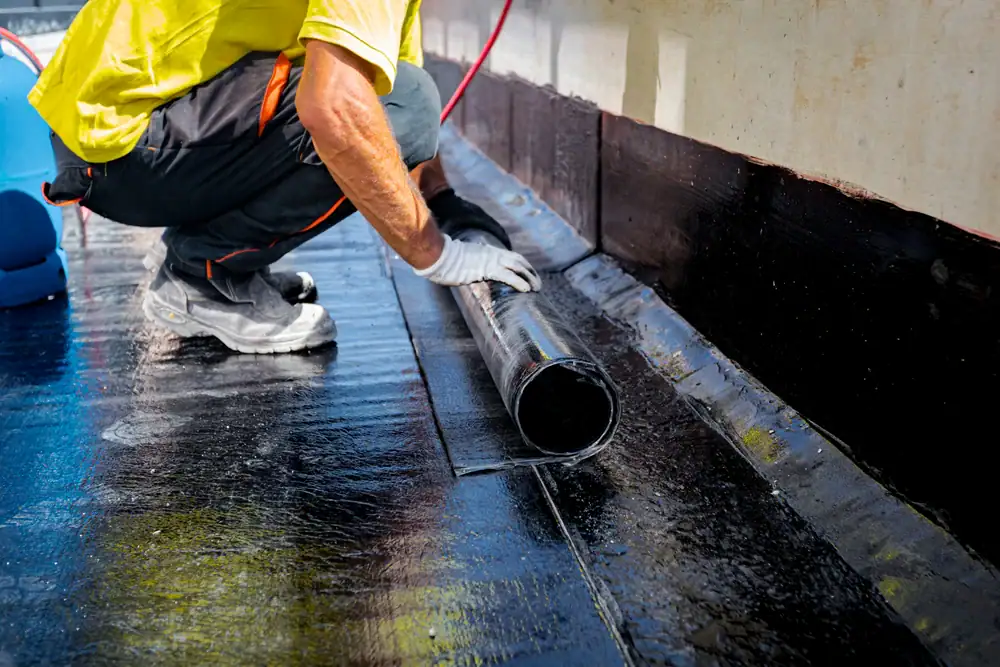
Most basement waterproofing projects in West Norriton, PA run between $3,000 and $10,000 depending on whether you need interior or exterior work and how severe the water intrusion is. Interior drainage systems with sump pump installation typically fall on the lower end. Full exterior excavation, foundation repair, and waterproof membrane application costs more but lasts decades.
Here’s what affects the price: the size of your basement, how many foundation cracks need repair, whether you have an existing sump pump or need one installed, and if there’s structural damage that needs addressing first. A small basement with minor seepage costs less than a full foundation with multiple entry points and hydrostatic pressure issues.
The real question isn’t what it costs to fix—it’s what it costs not to. FEMA estimates just one inch of water causes up to $25,000 in damage. A finished basement flood with contaminated water runs around $60,000. Most insurance policies don’t cover basement water damage regardless of the source. Fixing it right the first time is cheaper than fixing it twice or dealing with the damage.
Interior waterproofing manages water that’s already trying to enter your basement. We install a drainage system along the foundation footer, direct water to a sump pump, and pump it away from your house. It’s less invasive, costs less, and works well for managing groundwater and hydrostatic pressure. Most interior systems last for decades without maintenance.
Exterior waterproofing stops water before it reaches your foundation walls. We excavate around your foundation, repair any cracks, apply a waterproof membrane, install drainage tile, and backfill with proper grading. It’s more comprehensive and typically lasts 20-30 years or more. It’s also more expensive and takes longer because we’re digging around your entire foundation.
Which one you need depends on your specific situation. Sometimes interior is enough. Sometimes you need both. If your foundation walls are already compromised or you’re dealing with severe water intrusion, exterior work makes sense. If you’re managing moderate groundwater issues and your foundation is structurally sound, interior systems handle it. We’ll tell you honestly which approach makes sense for your basement—not just which one costs more.
Interior waterproofing systems typically take 2-4 days depending on your basement size and layout. We’re installing drainage channels, setting up the sump pump system, and making sure everything’s properly graded to direct water where it needs to go. You can stay in your house during the work—it’s not a gut job.
Exterior waterproofing takes longer, usually 5-10 days. We’re excavating around your foundation, which means heavy equipment, hauling soil, repairing foundation damage, applying waterproof coatings, installing exterior drainage, and backfilling. Weather affects the timeline since we can’t excavate in heavy rain or frozen ground.
The timeline also depends on what we find once we start. If there’s more foundation damage than the initial inspection revealed, that adds time. If we hit unexpected drainage issues or need to coordinate with other trades, that extends things. We give you a realistic estimate upfront and keep you updated if anything changes. Most homeowners are surprised the process is faster than they expected—and that they can keep living normally while we work.
Yes, but only if you fix the moisture problem causing the mold in the first place. Mold needs three things: moisture, organic material, and the right temperature. Your basement has plenty of organic material (wood, drywall, cardboard boxes) and stays around 60-70 degrees year-round. The only variable you can control is moisture.
Waterproofing eliminates the water source that feeds mold growth. Once your basement stays consistently dry, existing mold stops spreading and new mold can’t establish itself. That musty smell—which is actually mold spores you’re breathing—goes away within a few weeks as humidity levels drop and air quality improves.
Here’s what most people don’t realize: that basement air circulates through your entire house. If you’re dealing with allergies, asthma, headaches, or fatigue that won’t quit, your damp basement might be the culprit. Fixing the water problem often fixes health issues you didn’t even connect to your basement. You might need mold remediation after waterproofing if growth is extensive, but waterproofing stops the cycle so it doesn’t come back.
Yes. We back our waterproofing work with a lifetime transferable warranty. That means if your basement leaks after we waterproof it, we come back and fix it at no cost to you. And if you sell your house, the warranty transfers to the new owner—which is a serious selling point when buyers are evaluating your property.
Most waterproofing companies either don’t offer warranties or they’re so full of exclusions they’re basically worthless. Ours is straightforward: we stand behind the work. If the system fails because of faulty installation or materials, we make it right.
The warranty matters because waterproofing is a long-term investment. You’re not just fixing today’s leak—you’re protecting your foundation for as long as you own the house. A warranty proves we’re confident in our work and that we’ll still be around if you need us five, ten, or twenty years from now. It’s also why structural engineers recommend our systems—they know we’re not disappearing after the check clears.
West Norriton sits in Montgomery County where clay soil and aging infrastructure create perfect conditions for basement water problems. The clay bowl effect is huge here—when your house was built, they excavated a hole and backfilled around the foundation with loose soil. That soil absorbs water like a sponge compared to the compact clay around it, so water naturally migrates toward your foundation.
Hydrostatic pressure builds up when groundwater has nowhere to go. It pushes against your foundation walls and floors with enough force to crack concrete and seep through any weak point—mortar joints, foundation cracks, the cove joint where your floor meets the wall. Pennsylvania’s freeze-thaw cycles make it worse because water expands 9% when it freezes, creating even more pressure.
The area gets 35-54 inches of precipitation annually with heavy rainfall concentrated in March and April. Combine that with aging storm sewers that can’t handle the volume, and you get basement flooding that seems to come out of nowhere. Your neighbor might have a dry basement while yours floods because of slight differences in grading, soil composition, or foundation age. That’s why cookie-cutter solutions don’t work—you need someone who understands the specific conditions in West Norriton and knows how to address them.
Other Services we provide in West Norriton